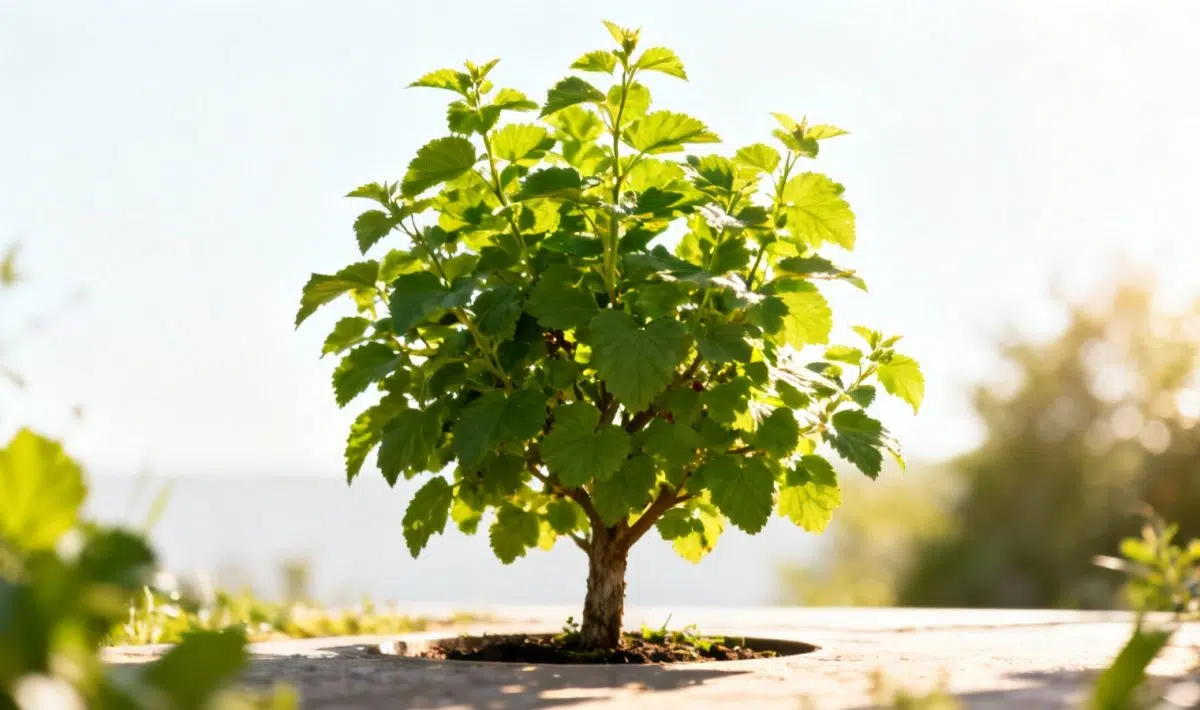
How much sunlight does common hackberry need for healthy growth
The common hackberry stands out as one of the most adaptable native trees you can grow in your landscape. This robust North American species has earned its reputation for thriving in challenging conditions, but understanding its sunlight needs remains crucial for success. Like many fruit-bearing plants, the hackberry’s light requirements directly impact its growth rate, fruit production, and overall health.
Understanding the sunlight requirements for common hackberry
Common hackberry trees perform best with at least 6 hours of direct sunlight daily, though they demonstrate remarkable flexibility across different light conditions. Full sun exposure promotes the most vigorous growth and optimal fruit production that attracts birds to your garden. However, these hardy trees can adapt to partial sun conditions with 4 to 6 hours of direct light without significant impact on their health.
The minimum sunlight requirement for hackberry survival is around 3 hours of direct sun per day. Below this threshold, you may notice slower growth rates and reduced fruit development. This adaptability makes hackberry an excellent choice for urban environments where buildings and other structures create varying light conditions throughout the day.
When planning your hackberry’s location, consider that morning sun proves particularly beneficial for drying dew from leaves, reducing disease pressure. The afternoon sun, while intense, helps the tree photosynthesize efficiently during peak daylight hours. This balance creates optimal growing conditions for your hackberry tree.
Seasonal light variations and their effects
Throughout the growing season, hackberry trees adjust to changing light patterns with remarkable resilience. Spring’s gentle sun helps new leaves emerge without stress, while summer’s intense light fuels rapid growth. The key lies in providing consistent exposure rather than dramatic fluctuations that can shock the tree.
Fall light conditions become less critical as the tree prepares for dormancy, but adequate autumn sun helps the hackberry store energy for next year’s growth. Winter sunlight, though limited, still benefits the tree’s overall health by preventing excessive moisture retention around the trunk and root zone.
Adaptations of hackberry to different light environments
The common hackberry’s ability to tolerate varying light conditions stems from its evolutionary history in diverse habitats. From river bottoms to hillsides, this species has developed mechanisms to maximize available light regardless of competition from other trees. This natural adaptability translates beautifully to home landscapes with mixed sun and shade areas.
In lower light conditions, hackberry trees tend to grow taller and develop a more open canopy structure. This response allows them to capture maximum available light while maintaining their characteristic graceful form. The leaves may appear slightly larger in shadier spots as the tree attempts to increase its photosynthetic surface area.
Conversely, hackberries in full sun develop denser, more compact crowns with smaller, thicker leaves that can better withstand intense light and heat. This adaptation helps prevent water loss while maximizing photosynthesis during peak sun hours. Much like how sunlight requirements for common fig trees vary based on location, hackberries adjust their growth patterns accordingly.
Signs of inadequate sunlight
Recognizing when your hackberry isn’t receiving enough light helps you make necessary adjustments early. Weak, spindly growth often indicates insufficient sun exposure, as the tree stretches toward available light sources. Yellowing leaves, particularly on lower branches, can signal that the canopy isn’t receiving adequate illumination for proper photosynthesis.
Reduced fruit production represents another clear indicator of light stress in mature hackberries. These trees rely on abundant sunlight to develop the energy reserves necessary for flowering and fruit development. When fruit does appear on light-stressed trees, it tends to be smaller and less attractive to wildlife.
Optimizing sunlight exposure for your hackberry
Choosing the right planting location sets your hackberry up for decades of healthy growth. Survey your property throughout different times of day and seasons to identify areas receiving consistent sunlight. Avoid spots where buildings, fences, or other large trees create prolonged shade during peak growing hours.
Consider the mature size of your hackberry when selecting its permanent home. These trees can reach 40 to 60 feet tall with similar spread, so plan accordingly to prevent future shading issues. Plant them where they won’t eventually block sunlight from other sun-loving plants in your landscape design.
South-facing slopes or open areas typically provide the most consistent sun exposure for hackberries. However, don’t overlook eastern exposures that receive gentle morning light followed by some afternoon protection in extremely hot climates. This positioning can actually benefit young trees during their establishment period.
Maintenance practices for optimal light exposure
Regular pruning helps maintain good light penetration throughout the hackberry’s canopy. Remove any dead, damaged, or crossing branches that might shade healthy growth. Thinning crowded areas allows sunlight to reach interior branches, promoting overall tree vigor and reducing disease pressure from poor air circulation.
For established hackberries showing signs of light stress, consider removing competing vegetation or structures that block sunlight. Sometimes simply trimming back overgrown shrubs or removing a fence section can dramatically improve your tree’s light exposure. Similar to growing common bugle successfully, proper site selection and maintenance make all the difference.
Young hackberries benefit from temporary shade protection during their first summer, but remove this protection once they’re established. Gradually exposing them to full sun helps build their natural heat and light tolerance without shocking the developing root system.
Companion planting considerations
When planning companion plants around your hackberry, choose species with compatible light requirements. Shade-tolerant groundcovers and shrubs work well beneath mature hackberries, creating layered plantings that make efficient use of available space and light.
Avoid planting other large trees too close to your hackberry, as competition for sunlight can stress both plants over time. Instead, consider understory plants that complement the hackberry’s filtered shade while allowing adequate light penetration to the soil surface.
Fruit-producing plants often share similar sunlight needs, making hackberries excellent companions for other edible landscapes. Just as optimal sunlight for blackberries requires careful consideration, planning your hackberry’s location alongside other productive plants creates a thriving ecosystem.
Environmental benefits and light relationships
Proper sunlight exposure enables hackberries to provide maximum environmental benefits through robust growth and healthy foliage. Well-lit trees photosynthesize more efficiently, producing more oxygen and sequestering greater amounts of carbon dioxide from the atmosphere. This contributes significantly to local air quality improvement.
Healthy, sun-exposed hackberries also support more diverse wildlife populations through abundant fruit production and dense canopy development. Birds rely on the energy-rich berries produced by well-lit trees, while the sturdy branches provide excellent nesting sites and shelter.
The cooling effect provided by mature hackberries depends partly on their ability to develop full, healthy canopies through adequate sunlight. Trees stressed by insufficient light often have thinner canopies that provide less shade and cooling benefits to surrounding areas.
Climate adaptation through proper lighting
Hackberries grown in optimal light conditions develop better drought tolerance and heat resistance over time. Sun-hardened trees can better withstand extreme weather events and changing climate conditions that might stress plants accustomed to shadier environments.
This natural hardening process requires gradual exposure to increasing light levels, particularly for transplanted specimens. Rush the process, and you risk sunscald or leaf burn that can set back your tree’s development significantly. Much like understanding sunlight needs of pineapple plants requires patience, establishing hackberries takes time and careful attention to their changing needs.
Regional variations in sunlight intensity mean that hackberries in northern climates may need maximum sun exposure to thrive, while those in southern areas might benefit from some afternoon protection during the hottest months. Observe your local growing conditions and adjust accordingly for best results.
Long-term care and sunlight management
Mature hackberries require ongoing attention to maintain optimal sunlight exposure throughout their decades-long lifespan. Regular assessment of surrounding vegetation growth helps identify potential shading problems before they become serious. Proactive management prevents the need for drastic corrective measures later.
As your landscape evolves, new construction or plantings might alter the light patterns reaching your hackberry. Stay flexible and willing to make adjustments that preserve your tree’s access to adequate sunlight. Sometimes this means relocating other plants or modifying structures that create unwanted shade.
The investment in proper sunlight management pays dividends through improved tree health, longevity, and the countless environmental benefits that well-grown hackberries provide. These remarkable trees reward careful attention to their needs with decades of beauty, wildlife habitat, and ecosystem services that make them invaluable additions to any landscape.
Allan is a lifelong gardening enthusiast who still gets excited when the first seedlings pop up in spring. With a deep love for nature and a hands-in-the-soil approach, he shares practical tips, plant discoveries, and clever tricks picked up over years of digging, planting, and observing. Whether you’re a new gardener or have a shed full of tools, Allan writes like a neighbor who’s always happy to swap cuttings and stories over the fence.
You can find more about Allan’s work on Malt or connect with him on LinkedIn.