
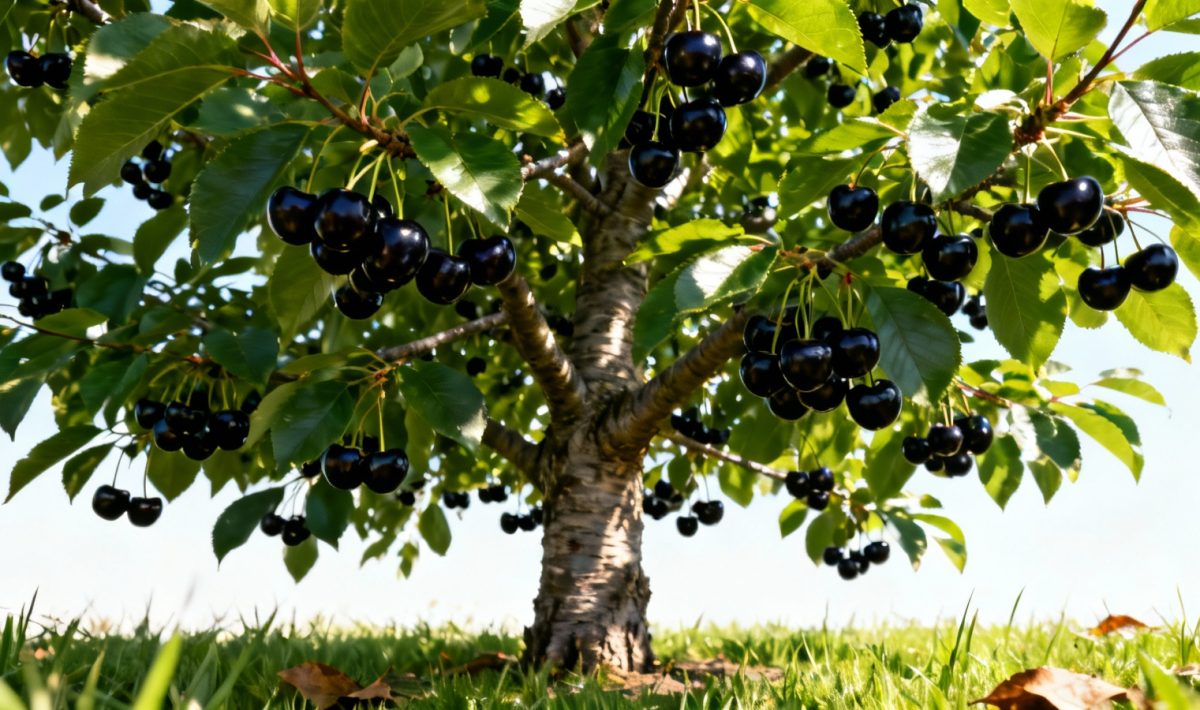
Understanding black cherry sunlight requirements
The black cherry tree (Prunus serotina) is a magnificent native species that demands proper light conditions to thrive. Understanding how much sunlight does black cherry need becomes essential for anyone planning to grow this beautiful fruit tree. These hardy plants are naturally heliophilic, meaning they absolutely love bright, direct sunlight and will struggle in prolonged shade conditions.
Black cherry trees require at least 6 hours of direct sunlight daily for optimal growth and fruit production. This requirement isn’t just a suggestion – it’s fundamental to their health and productivity. Without adequate light exposure, these trees will exhibit stunted growth, poor fruit development, and increased susceptibility to diseases.
For gardeners considering different tree options, it’s worth noting that various species have distinct light needs. Similar to how sunlight requirements for black walnut trees differ from cherry varieties, each plant type has evolved specific light preferences based on their natural habitat.
Optimal sunlight conditions for black cherry plants
Full sun exposure represents the ideal growing condition for black cherry trees. This translates to 6-8 hours of direct, unfiltered sunlight throughout the growing season. During these peak light hours, the plant can efficiently photosynthesize, producing the energy needed for robust growth and abundant fruit production.
However, black cherry trees can tolerate partial shade conditions, typically defined as 4-6 hours of direct sunlight daily. While they’ll still grow in these conditions, you’ll notice slower development and reduced fruit yield. The tree’s natural tendency is to reach toward available light sources, often resulting in a more elongated, less compact growth pattern.
Spring and summer months are particularly crucial for light exposure. During these active growing seasons, consistent daily sunlight helps establish strong root systems and promotes healthy leaf development. The type of light matters too – morning sunlight tends to be gentler, while afternoon sun provides the intense energy needed for optimal photosynthesis.
Measuring and evaluating light conditions
Before planting your black cherry tree, spend time observing your chosen location throughout different times of day. Note areas where shadows fall during morning, midday, and afternoon hours. Buildings, large trees, or structures can significantly impact the amount of available sunlight, even in seemingly bright locations.
Consider seasonal variations as well. A spot that receives full sun during summer might become partially shaded in winter when the sun’s angle changes. This seasonal shift is generally acceptable for established trees, but young plants benefit from consistent light exposure during their first few growing seasons.
Signs of inadequate sunlight exposure
Recognizing the symptoms of insufficient light helps you address problems before they become severe. Black cherry trees experiencing light stress will display several telltale signs that indicate immediate intervention is needed.
Weak, spindly growth represents the most obvious symptom of inadequate sunlight. The tree stretches toward available light sources, creating long, thin branches with sparse foliage. Leaf color may appear pale green or yellowish, lacking the deep, vibrant green associated with healthy plants.
Fruit production suffers dramatically in low-light conditions. Trees may produce few or no cherries, and any fruit that does develop often remains small and lacks the characteristic sweet flavor. Additionally, trees growing in insufficient light become more susceptible to fungal diseases and pest problems.
Comparing with other cherry varieties
Different cherry species have varying light requirements, though most prefer full sun conditions. Understanding these differences helps when planning mixed plantings or choosing varieties for specific locations. For those interested in ornamental options, learning about ideal sunlight for cherry laurel hedging provides valuable insights for landscape design.
Sweet cherry varieties, for instance, typically require similar light conditions to black cherry trees. However, their specific needs can vary slightly based on the cultivar and growing region. Those interested in fruit production might benefit from exploring optimal sunlight for sweet cherry plants to compare requirements across different species.
Maximizing sunlight exposure for optimal growth
Strategic placement becomes crucial when establishing black cherry trees in your landscape. Choose locations away from large structures or mature trees that cast significant shadows. South-facing slopes or open areas typically provide the most consistent daily sunlight exposure.
Regular pruning helps maintain optimal light penetration throughout the tree canopy. Remove dead, diseased, or crossing branches to improve air circulation and allow sunlight to reach interior portions of the tree. This practice not only improves light distribution but also promotes overall tree health and fruit quality.
For gardeners dealing with partially shaded conditions, consider using reflective surfaces or light-colored mulches to redirect available light toward the tree. While these techniques won’t replace direct sunlight, they can help maximize whatever light is available in challenging locations.
Indoor and container growing considerations
While black cherry trees are typically grown outdoors, understanding indoor light requirements can be valuable for starting seedlings or growing dwarf varieties. Indoor plants face different challenges than their outdoor counterparts, similar to how sunlight needs of dieffenbachia plants require careful consideration for houseplant success.
Container-grown black cherry trees need the same 6-hour minimum of direct sunlight daily. Position containers in the brightest available locations, rotating them periodically to ensure even light exposure on all sides. Supplemental grow lights may become necessary during winter months or in locations with limited natural light.
Seasonal sunlight management and care
Understanding seasonal light patterns helps optimize black cherry tree care throughout the year. Spring marks the beginning of active growth, making consistent sunlight exposure particularly important during leaf emergence and early fruit development.
Summer’s intense sunlight provides peak growing conditions, though extreme heat may require some protection for newly planted trees. Established black cherry trees typically handle full summer sun well, using the abundant light energy for rapid growth and fruit maturation.
Fall sunlight, while less intense, remains important for fruit ripening and helping the tree prepare for dormancy. Even as daylight hours decrease, ensuring maximum exposure to available light supports the tree’s natural seasonal transitions.
Companion planting and light management
Careful companion planting can enhance light availability for black cherry trees while creating productive garden spaces. Low-growing plants that don’t compete for vertical space work well beneath cherry trees. Avoid planting large shrubs or fast-growing trees nearby that might eventually shade your cherry tree.
Consider the mature size of all plants in your landscape design. What starts as adequate spacing between young plants can become problematic as trees and shrubs reach full size. For gardeners interested in diverse fruit production, learning about necessary sunlight for growing avocados can help when planning mixed orchards with varying light requirements.
Even well-planned gardens can develop light-related issues over time. Neighboring trees grow larger, new construction creates shade, or landscape changes alter previously ideal growing conditions. Recognizing these problems early allows for effective solutions.
If your black cherry tree begins showing signs of insufficient light, evaluate potential solutions systematically. Sometimes selective pruning of nearby plants can restore adequate light levels without major landscape changes. In other cases, relocating the tree while it’s still young might be the best long-term solution.
Tree health monitoring becomes particularly important during transitions in light availability. Stressed trees require extra attention to watering, fertilization, and disease prevention while they adapt to changing conditions.
Maximizing fruit production through proper light management
Black cherry trees grown in optimal sunlight conditions reward gardeners with abundant, flavorful fruit. The sweet, dark cherries develop their best flavor and texture when the tree receives consistent, adequate sunlight throughout the growing season.
Proper light exposure affects not just fruit quantity but also quality characteristics like sugar content, color development, and overall taste. Trees struggling in insufficient light may produce fruit, but it often lacks the intensity of flavor that makes black cherries so prized for both fresh eating and culinary uses.
Planning your garden layout with sunlight requirements in mind ensures years of successful black cherry production. These remarkable trees can provide decades of fruit when given proper growing conditions, making the initial investment in optimal placement well worth the effort. Remember that consistent daily sunlight exposure remains the foundation of healthy black cherry tree cultivation, directly impacting everything from growth rate to fruit quality.

Allan is a lifelong gardening enthusiast who still gets excited when the first seedlings pop up in spring. With a deep love for nature and a hands-in-the-soil approach, he shares practical tips, plant discoveries, and clever tricks picked up over years of digging, planting, and observing. Whether you’re a new gardener or have a shed full of tools, Allan writes like a neighbor who’s always happy to swap cuttings and stories over the fence.
You can find more about Allan’s work on Malt or connect with him on LinkedIn.


