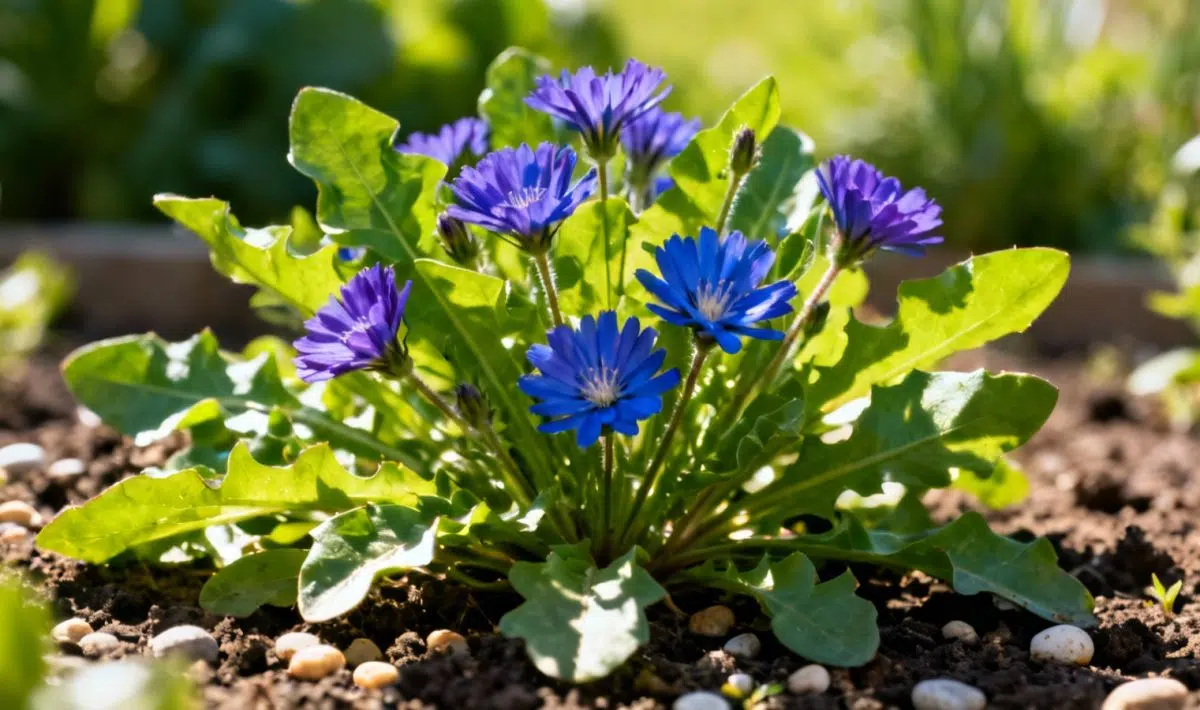
How much sunlight does common chicory need for optimal garden growth
Growing common chicory successfully starts with understanding its light requirements. This hardy perennial thrives when you provide the right amount of sun exposure, making it a perfect addition to well-lit garden spaces. Whether you’re planning to grow chicory for its nutritious leaves or beautiful blue flowers, getting the sunlight balance right is essential for healthy plant development.
Essential sunlight requirements for common chicory
Common chicory performs best when planted in locations that receive at least 6 hours of direct sunlight daily. This plant naturally grows as a sun-loving species, establishing itself in open fields and well-exposed areas where light is abundant. While it can tolerate partial shade, the quality and vigor of growth significantly improve with full sun exposure.
The recommended approach for gardeners is to choose the sunniest spot available in their garden. When chicory receives adequate light, you’ll notice stronger stem development, more robust leaf production, and better overall plant health. This is particularly important during the spring growing season when the plant establishes its root system.
Similar to other sun-loving plants, understanding light requirements helps with garden planning. For instance, when considering sunlight requirements for common mugwort, you’ll find that many herbs share comparable needs for bright conditions.
Direct versus indirect light conditions
Direct sunlight offers the best growing conditions for common chicory cultivation. When plants receive unfiltered sun exposure throughout the day, they develop stronger root systems and produce more flavorful leaves. This type of lighting also promotes better flowering, which is important if you’re growing chicory for seeds or ornamental purposes.
However, chicory can adapt to partial shade when necessary. In areas with intense summer heat, some afternoon shade can actually protect the plant from stress. The key is ensuring the plant still receives morning sun, which provides the energy needed for photosynthesis and healthy growth.
When planning your garden layout, consider that chicory grown in indirect light may become more leggy and produce smaller leaves. This is why professional growers always recommend prioritizing sunny locations when space allows.
Seasonal light variations and adjustments
Spring planting offers the ideal time to establish chicory because daylight hours are increasing and temperatures are moderate. During this season, young plants can gradually adapt to longer sun exposure without experiencing heat stress. The combination of cool soil and bright light creates perfect growing conditions.
Summer cultivation requires careful attention to water management alongside sun exposure. While chicory loves light, extremely hot conditions can cause wilting if soil moisture isn’t maintained. Many gardeners find success using morning sun with light afternoon shade during peak summer months.
Just as growing common houseleek successfully requires understanding seasonal changes, chicory benefits from adjusted care throughout the year. Winter light levels are typically sufficient for established plants in most climates.
Choosing the best planting location
Site selection significantly impacts chicory growth success. Look for areas that receive consistent morning sunlight, as this provides the energy plants need for daily metabolic processes. South-facing locations typically offer the most reliable light exposure throughout the growing season.
Soil quality works hand-in-hand with light exposure for optimal results. Well-draining soil in sunny locations prevents root problems while ensuring plants can fully utilize available sunlight. Poor drainage combined with excessive shade creates conditions where chicory struggles to thrive.
Consider the mature size of your chicory plants when selecting locations. These plants can spread significantly, so ensure surrounding plants won’t block sunlight as the season progresses. Planning for full-size growth prevents shading issues later in the growing cycle.
Evaluating light quality in your garden
Professional gardeners recommend observing your garden throughout the day to identify the best chicory planting spots. Areas that receive 6-8 hours of direct sunlight provide ideal conditions, while locations with only 4-5 hours can still support decent growth with proper care.
Tree shadows, building shade, and neighboring plants all affect available light. Much like understanding optimal light for common comfrey, successful chicory cultivation requires honest assessment of actual light conditions rather than assumptions.
Use simple observation techniques to track sun patterns. Mark potential planting areas and check them hourly during a typical day to understand exactly how much direct sunlight each location receives.
Signs of proper versus insufficient light
Healthy chicory plants display characteristic signs when receiving adequate sunlight. Look for sturdy, upright growth with deep green leaves and compact plant form. Well-lit plants also develop stronger root systems, which you can verify when harvesting or transplanting.
Insufficient light typically causes several recognizable problems. Plants become stretched and leggy, reaching toward available light sources. Leaves may appear pale green or yellowish, and overall growth slows considerably compared to sun-grown specimens.
Flowering behavior also indicates light adequacy. Chicory plants in full sun produce abundant blue flowers, while shade-grown plants may flower poorly or not at all. This is particularly relevant if you’re growing chicory for ornamental purposes or seed collection.
Adjusting growing conditions during the season
Monitor your chicory plants regularly for signs of light stress or inadequate exposure. If plants appear to be struggling, consider relocating containers or adjusting garden layouts for better sun access. Early intervention often saves the entire growing season.
Companion planting strategies can help optimize light usage. Plant shorter herbs or vegetables nearby that won’t compete for sunlight, creating a productive garden ecosystem. This approach works well with other sun-loving plants that have similar growing requirements.
Understanding light needs extends beyond chicory to many garden plants. For example, learning about sunlight needs of common passionfruit can help you design more effective garden layouts that meet multiple plant requirements simultaneously.
Practical growing tips for optimal results
Start chicory seeds in the sunniest available location during late spring when soil temperatures warm consistently. This timing allows plants to establish before summer heat arrives while taking advantage of increasing daylight hours. Seeds germinate best when soil receives direct morning sunlight.
Water management becomes crucial when growing chicory in full sun. While these plants tolerate drought once established, consistent moisture during the first few weeks helps young plants handle intense sunlight without stress. Deep, infrequent watering works better than frequent shallow irrigation.
Consider succession planting to maintain continuous harvests throughout the growing season. Plant new seeds every 2-3 weeks in sunny locations to ensure fresh leaves are always available. This strategy maximizes your garden’s productive potential while maintaining consistent light exposure for all plants.
Maximizing garden space and light efficiency
Efficient garden design considers both current and future light availability. Plant taller crops on the north side of chicory plots to prevent shading, and use vertical growing techniques when space is limited. These strategies ensure optimal light distribution across your entire garden.
Many successful gardeners integrate chicory with other sun-loving plants that have complementary growing habits. Understanding requirements for plants like dogwood’s sunlight requirements explained helps create diverse gardens that use available light efficiently.
Regular maintenance keeps plants healthy and maximizes light utilization. Remove competing weeds that might shade young chicory plants, and thin overcrowded areas to ensure each plant receives adequate sun exposure throughout the growing season.
Common mistakes and how to avoid them
One frequent error is underestimating chicory’s light requirements and planting in partially shaded areas. While plants may survive in these conditions, growth quality and harvest yields suffer significantly. Always prioritize the sunniest available locations for best results.
Another common mistake involves ignoring seasonal light changes. Areas that seem sunny in early spring may become shaded as trees leaf out or as other plants grow taller. Plan for these changes when selecting permanent chicory growing locations.
Overcrowding represents a third major issue that affects light penetration. Plant chicory with adequate spacing to ensure each plant receives full sun exposure. Dense planting may seem efficient initially but ultimately reduces overall productivity and plant health.
Long-term garden planning considerations
Successful chicory cultivation requires thinking beyond the current growing season. Consider how nearby trees will grow and how garden structures might affect future light availability. These long-term considerations prevent problems that develop gradually over multiple growing seasons.
Document successful growing locations and light conditions for future reference. Keep records of which areas produced the best chicory growth, noting specific sun exposure times and seasonal variations. This information becomes invaluable for planning future gardens.
Learning about light requirements for various plants enhances overall garden success. For instance, understanding necessary light for common juniper alongside chicory needs helps create well-planned landscapes that meet diverse plant requirements effectively.
Final thoughts on chicory light requirements
Successfully growing common chicory depends primarily on providing adequate sunlight exposure. This resilient plant rewards gardeners who choose sunny locations with vigorous growth, flavorful leaves, and reliable harvests throughout the growing season. Remember that while chicory tolerates various conditions, optimal results come from full sun placement.
The investment in proper site selection pays dividends in plant health and productivity. Whether you’re growing chicory for culinary use, medicinal purposes, or garden beauty, ensuring adequate light exposure forms the foundation of successful cultivation. Take time to observe your garden’s light patterns and choose locations accordingly.
With proper attention to sunlight requirements, chicory becomes a valuable addition to any garden. This hardy plant offers multiple benefits while requiring relatively simple care once established in appropriate growing conditions. Start with sunny locations and enjoy the reliable performance that well-lit chicory plants provide season after season.
Allan is a lifelong gardening enthusiast who still gets excited when the first seedlings pop up in spring. With a deep love for nature and a hands-in-the-soil approach, he shares practical tips, plant discoveries, and clever tricks picked up over years of digging, planting, and observing. Whether you’re a new gardener or have a shed full of tools, Allan writes like a neighbor who’s always happy to swap cuttings and stories over the fence.
You can find more about Allan’s work on Malt or connect with him on LinkedIn.