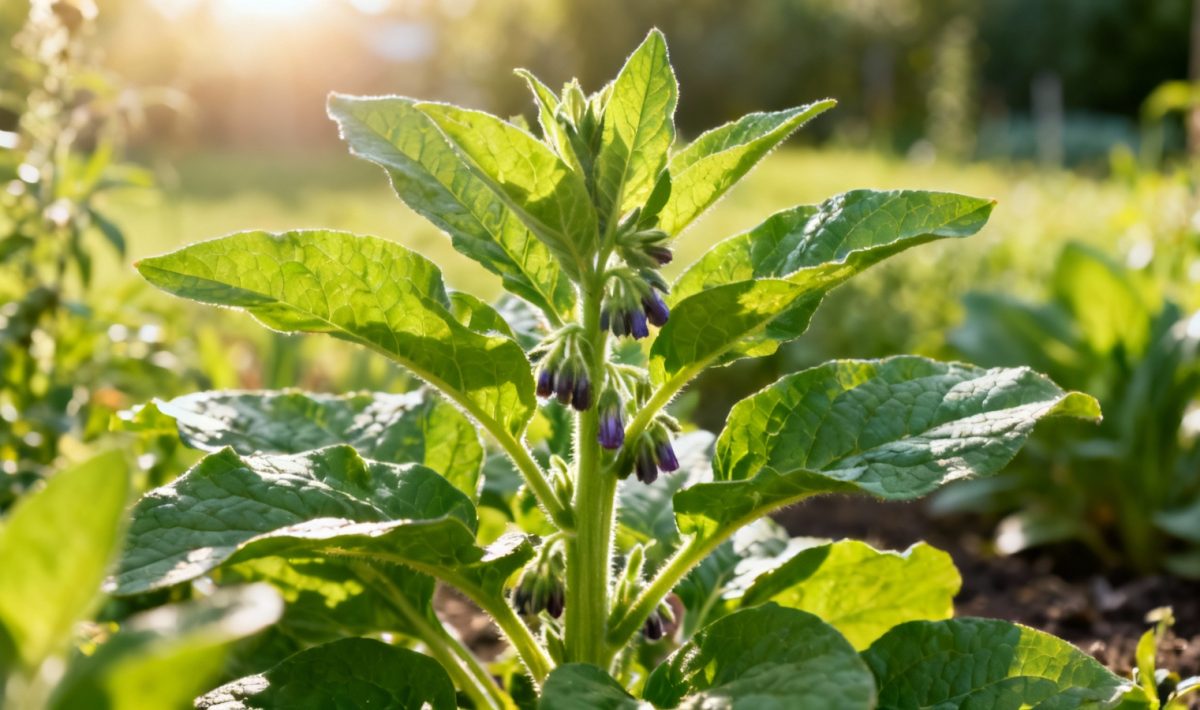
How much sunlight does common comfrey need for optimal growth
Common comfrey is one of those remarkable plants that can transform your garden with minimal fuss, but understanding its sunlight needs makes all the difference. This hardy perennial thrives when you give it the right balance of light, and knowing how much sunlight does common comfrey need will help you achieve the best results from your comfrey cultivation.
Common comfrey performs best with around 6 hours or more of direct sunlight daily. This full sun exposure allows the plant to develop its characteristic robust root system and produce abundant leafy growth. However, comfrey is wonderfully adaptable and can tolerate partial shade quite well, making it suitable for various garden locations.
The plant will survive with as little as 3 hours of sunlight per day, though you’ll notice reduced vigor and slower growth in these conditions. For gardeners seeking maximum biomass production for organic fertilizer or mulching purposes, full sun exposure delivers the highest yields of those valuable comfrey leaves.
Optimal growing conditions for comfrey success
When planning where to position your comfrey plants, consider that they appreciate morning sunlight particularly well. The early rays help dry any overnight moisture on the leaves, reducing potential disease issues while providing the energy boost the plant needs for daily growth.
Comfrey’s tolerance for different light conditions makes it versatile for garden design. You can successfully grow this plant along the edges of wooded areas, in orchards with dappled sunlight, or in open garden beds with full exposure. Just like sunlight requirements for passionfruit plants vary based on climate, comfrey adapts well to your specific conditions.
Seasonal light considerations
During spring and summer months, comfrey makes the most of longer daylight hours and stronger sun intensity. This is when you’ll see the most dramatic growth and can harvest leaves multiple times throughout the growing season. The plant uses this abundant energy to establish its deep root system that can extend several feet into the soil.
Winter light requirements are minimal since comfrey naturally dies back in cold weather. The established root system remains dormant until spring returns, making this an incredibly low-maintenance perennial once established.
Planting strategies for different light conditions
If your garden offers varying light conditions, you can use this to your advantage. Plant comfrey in areas that receive good morning sun but afternoon shade in particularly hot climates. This approach prevents stress during the hottest part of the day while still providing adequate photosynthesis time.
For gardens with limited sunny spots, reserve your best sun exposure for plants with more demanding requirements. Similar to how ideal sunlight for dogwood trees influences their flowering, comfrey will adapt to shadier locations, though with reduced productivity.
Maximizing growth with proper placement
Consider companion planting when positioning your comfrey. The plant works well near fruit trees or along garden borders where it can receive adequate light without competing for space with more delicate plants. Its deep roots don’t interfere with surface-rooting vegetables, making it an excellent permaculture addition.
Avoid placing comfrey in completely shaded areas under dense tree canopies or on the north side of buildings where it receives no direct sun. While it may survive, the plant will become leggy and produce fewer of those nutrient-rich leaves you’re growing it for.
Propagation and establishment tips
When starting comfrey from cuttings, provide consistent light conditions during the establishment period. Root cuttings need enough energy to develop new shoots, so placing them in a location with bright, indirect light initially helps prevent stress while the new root system develops.
Many gardeners choose the Bocking 14 variety for its sterile nature, preventing unwanted spreading. This cultivar has the same light requirements as other comfrey varieties and performs excellently in most garden conditions. Understanding light needs becomes particularly important when establishing new plants from organic sources.
Just as juniper’s sunlight needs for growth influence where you position these evergreens, thoughtful placement of your comfrey ensures long-term success with minimal intervention.
Managing established plants
Once your comfrey is established, it becomes quite drought-tolerant and can handle varying light conditions from year to year. Tree growth or new garden structures that change the light patterns won’t dramatically impact mature plants, though you may notice some adjustment in growth patterns.
Regular harvesting encourages fresh growth and prevents the plant from becoming too large for its space. Cut leaves can be used immediately for organic garden applications or composted for future use. The more light your plant receives, the more frequent harvesting opportunities you’ll have.
Practical applications for your garden
Understanding comfrey’s light tolerance opens up numerous possibilities for garden integration. Use it as a living mulch under fruit trees, as a border plant along sunny pathways, or as a dedicated crop in your organic gardening area. The plant’s ability to thrive in partial shade makes it valuable for transitional garden areas.
Consider the seasonal changes in your garden when planning comfrey placement. Areas that receive full spring sun but become shaded as trees leaf out can still support healthy comfrey growth. This adaptability makes it similar to milkweed’s sunlight requirements for thriving, though comfrey generally tolerates shade better.
Harvesting considerations
Plants grown in optimal light conditions produce more robust leaves with higher concentrations of the nutrients that make comfrey valuable for garden use. Full sun plants typically allow for three to four harvests per growing season, while shade-grown plants may only support two good harvests.
The quality of leaves remains excellent regardless of light conditions, though quantity varies significantly. Even comfrey grown in partial shade produces leaves rich in potassium and other minerals that benefit your soil and plants.
Long-term garden planning with comfrey
When incorporating comfrey into your garden design, think about its permanent nature. This perennial will return year after year, so choose locations that work well with your long-term garden vision. Areas with consistent light patterns provide the most predictable results.
Consider how your garden will evolve over time. Young fruit trees or newly planted shrubs will eventually create more shade, which comfrey handles well. This makes it an excellent choice for food forest or permaculture systems where plant relationships develop and change over the years.
The investment in establishing comfrey properly pays dividends for many years. With adequate sunlight and minimal care, this remarkable plant becomes a valuable asset for organic gardening, providing nutrient-rich leaves for compost, mulch, or liquid fertilizer preparation. Whether you’re growing it for its practical applications or simply appreciate its cottage garden charm, understanding its light needs ensures your comfrey thrives and produces abundantly for your gardening endeavors.
Allan is a lifelong gardening enthusiast who still gets excited when the first seedlings pop up in spring. With a deep love for nature and a hands-in-the-soil approach, he shares practical tips, plant discoveries, and clever tricks picked up over years of digging, planting, and observing. Whether you’re a new gardener or have a shed full of tools, Allan writes like a neighbor who’s always happy to swap cuttings and stories over the fence.
You can find more about Allan’s work on Malt or connect with him on LinkedIn.