
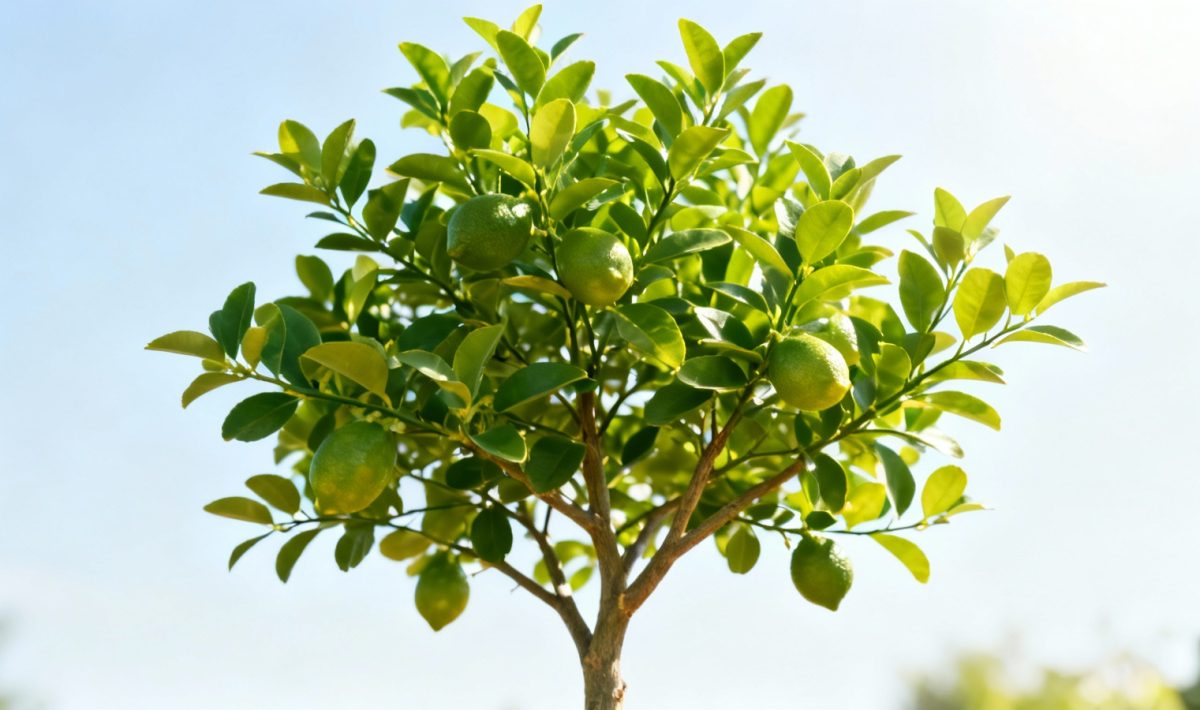
Understanding small-leaved lime sunlight requirements
Small-leaved lime trees (Tilia cordata) are fascinating plants with unique light preferences that set them apart from many other garden species. These trees exhibit what experts call moderate light tolerance, which means they can thrive in various lighting conditions while expressing their full potential under optimal sunlight exposure. Understanding how much sunlight does small-leaved lime need is crucial for successful cultivation and long-term tree health.
The beauty of small-leaved lime lies in its adaptability. Unlike plants that demand full sun or complete shade, these trees occupy a middle ground that makes them versatile additions to diverse garden settings. They demonstrate remarkable flexibility in their light requirements, adjusting their growth patterns according to available illumination while maintaining their characteristic vigor and beauty.
Natural light preferences and tolerance levels
Small-leaved lime trees are classified as moderate shade-tolerant species, particularly during their juvenile stages. Young trees can withstand relatively low light conditions, such as those found in understory environments, while maintaining satisfactory growth rates. This adaptability serves them well in their natural forest habitats, where they often begin life under the canopy of larger trees.
As these trees mature, their sunlight needs gradually increase. Adult specimens benefit from abundant, diffused light or lateral illumination found at forest edges or in clearings. The transition from shade tolerance to increased light requirements reflects the tree’s natural growth cycle and competitive strategy in woodland environments.
Research shows that small-leaved lime can tolerate shade better than its larger-leafed cousin, Tilia platyphyllos. However, optimal growth and development occur when the tree receives adequate light exposure throughout the growing season. The key is finding the sweet spot between too much direct sun and insufficient illumination.
Comparing light needs with other garden plants
When planning your garden layout, it’s helpful to understand how different plants compare in their sunlight requirements. For instance, while considering sunlight requirements for growing radishes, you’ll find that vegetables typically need more direct sun than small-leaved lime trees. This difference allows for creative companion planting strategies in Mediterranean gardens.
Similarly, tropical plants like selloum have their own specific needs. Understanding these variations helps create harmonious garden designs where each plant species can thrive in its preferred conditions without competing for the same resources.
Growth stages and changing light requirements
The sunlight needs of small-leaved lime trees evolve significantly as they progress through different growth stages. Seedlings and young saplings demonstrate remarkable shade tolerance, often thriving with as little as 20-30% of full sunlight. This characteristic allows them to establish successfully under existing tree canopies or in partially shaded garden areas.
During the juvenile phase, these trees can maintain steady growth even in filtered light conditions. Their leaves adapt to lower light levels by becoming larger and thinner, maximizing their ability to capture available photons. This adaptive mechanism ensures survival and continued development even when competition for light is intense.
As trees reach maturity, their light requirements shift toward the moderate to high range. Adult small-leaved lime trees perform best with 60-80% of full sunlight exposure. They benefit from morning sun combined with some afternoon protection, especially in hot Mediterranean climates where intense midday heat can stress the foliage.
Seasonal considerations for optimal growth
Seasonal variations play a crucial role in managing light exposure for small-leaved lime trees. During spring emergence, these trees appreciate gentle morning light that gradually increases as the canopy develops. Summer months require careful balance between adequate illumination and protection from scorching afternoon sun.
Autumn light patterns support the tree’s preparation for dormancy, with gradually decreasing daylight hours signaling the natural cycle. Winter positioning becomes less critical as deciduous small-leaved lime trees enter their dormant phase, though structural considerations for snow load and wind exposure remain important.
Optimizing garden placement for best results
Strategic positioning in your garden can make the difference between a thriving small-leaved lime and a struggling specimen. East-facing locations often provide ideal conditions, offering gentle morning sun while avoiding harsh afternoon heat. This positioning mimics the tree’s natural preference for filtered, diffused light rather than intense direct exposure.
Consider the mature size of your small-leaved lime when planning its location. These trees can reach substantial heights, eventually creating their own shade patterns that will influence surrounding plants. Plan ahead to ensure that both your lime tree and neighboring species will have adequate light as the landscape matures.
North-facing slopes or areas with natural windbreaks can provide excellent growing conditions in Mediterranean climates. The key is creating an environment where the tree receives consistent, moderate light without extreme temperature fluctuations that could stress the plant during establishment.
Companion planting strategies
Small-leaved lime trees create opportunities for interesting companion planting arrangements. Their moderate shade tolerance means they can coexist with other plants that have similar light preferences. Consider underplanting with shade-tolerant species that will benefit from the filtered light beneath the lime’s canopy.
When designing mixed plantings, remember that different species have varying light needs. Some plants, such as those requiring specific conditions like light exposure for Jimsonweed cultivation, may need more specialized positioning. Understanding these differences helps create successful plant communities.
Managing light conditions in different climates
Mediterranean climates present unique challenges and opportunities for growing small-leaved lime trees. The intense summer sun common in these regions can be both beneficial and potentially harmful, depending on how it’s managed. Morning sun exposure combined with afternoon shade often provides the ideal balance for healthy growth.
In cooler climates, small-leaved lime trees may benefit from increased sun exposure to compensate for lower overall light intensity. However, their natural shade tolerance means they can still thrive in locations that might be too dim for sun-loving species.
Humidity levels also influence how trees respond to different light conditions. In dry climates, partial shade can help reduce water stress and maintain healthy leaf moisture content. Conversely, in humid conditions, good air circulation becomes important to prevent fungal issues that can develop in overly shaded areas.
Seasonal adjustments and protection
Successful cultivation often requires seasonal adjustments to light management. During extreme heat periods, temporary shade structures can protect young trees while they establish robust root systems. As trees mature and develop their own natural protection mechanisms, these interventions become less necessary.
Winter protection may involve different considerations, such as preventing sun scald on bark during warm winter days followed by freezing nights. Understanding your local climate patterns helps you provide appropriate care throughout the year.
Common mistakes and how to avoid them
One frequent error is assuming that shade-tolerant means shade-preferring. While small-leaved lime trees can survive in low light, they truly flourish with adequate illumination. Positioning them in excessively dark locations will result in weak, spindly growth and poor overall health.
Another common mistake is sudden exposure changes. Trees that have adapted to shade conditions can suffer shock when suddenly moved to bright locations. Gradual transitions work best, allowing the plant to adjust its leaf structure and photosynthetic capacity accordingly.
Overcompensating with excessive direct sun can be equally problematic, especially for young trees. Signs of too much sun include leaf scorching, wilting during cooler periods, and premature leaf drop. Finding the right balance requires observation and patience.
Monitoring and adjusting care
Regular monitoring helps ensure your small-leaved lime receives appropriate light levels throughout its development. Watch for signs of light stress, including pale or yellowing leaves, excessive stretching toward light sources, or poor flowering and fruiting in mature specimens.
Just as root vegetables like those requiring optimal sunlight for rutabaga growth show specific responses to light conditions, lime trees display clear indicators of their light satisfaction. Healthy specimens exhibit rich green foliage, balanced branch development, and steady growth rates appropriate to their age and season.
FAQ: Small-leaved lime sunlight requirements
Can small-leaved lime grow in full shade? While these trees tolerate shade better than many species, they won’t thrive in complete darkness. They need at least some filtered light to maintain healthy growth and development.
How many hours of sunlight do they need daily? Small-leaved lime trees perform best with 4-6 hours of direct or filtered sunlight daily, though they can survive with less during their juvenile stages.
Will too much sun damage the leaves? Excessive direct sun, especially during hot afternoons, can cause leaf scorch and stress. Morning sun with afternoon protection often provides optimal conditions.
Do light requirements change seasonally? Yes, trees are more tolerant of shade during their dormant winter period and benefit from increased light during active growing seasons in spring and summer.

Allan is a lifelong gardening enthusiast who still gets excited when the first seedlings pop up in spring. With a deep love for nature and a hands-in-the-soil approach, he shares practical tips, plant discoveries, and clever tricks picked up over years of digging, planting, and observing. Whether you’re a new gardener or have a shed full of tools, Allan writes like a neighbor who’s always happy to swap cuttings and stories over the fence.
You can find more about Allan’s work on Malt or connect with him on LinkedIn.


