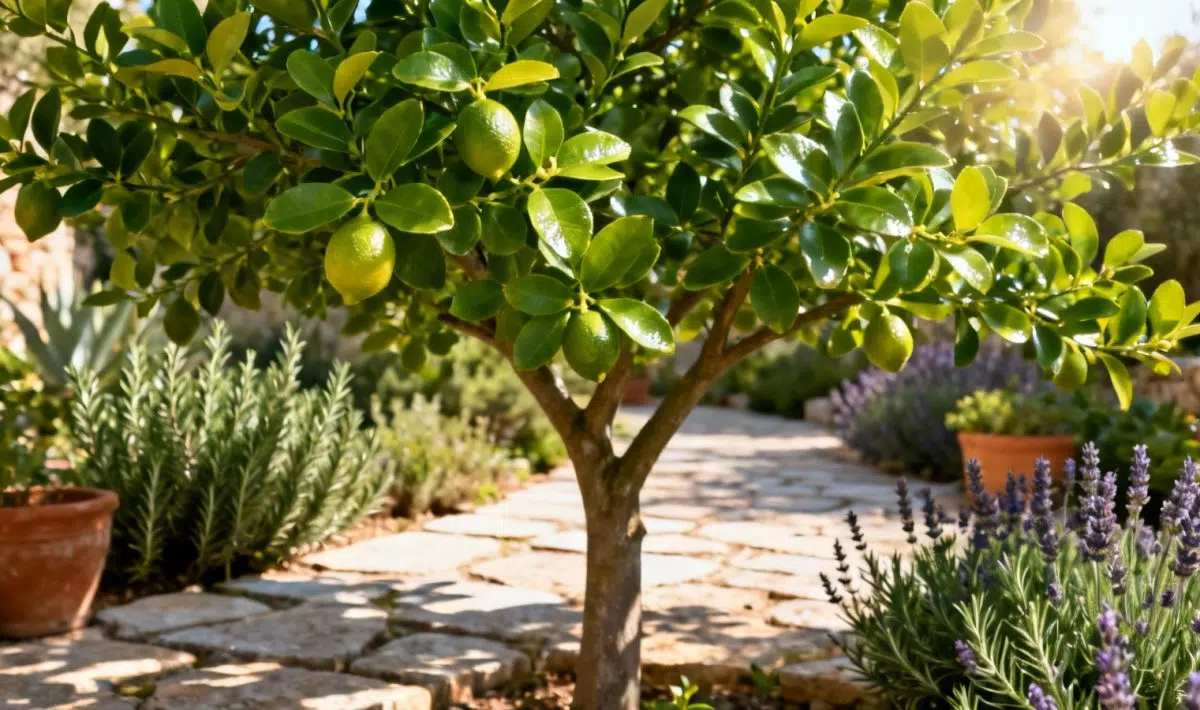
The small-leaved lime (Tilia cordata) is remarkably adaptable when it comes to sunlight needs, which makes it a fantastic choice for Mediterranean gardens. Unlike many trees that demand full sun, this species thrives in partial shade and can tolerate various light conditions throughout its life. However, understanding exactly how much sunlight your small-leaved lime needs will help you position it perfectly in your garden for optimal growth.
This beautiful tree species has evolved to be quite tolerant of shade, particularly during its younger years. The leaves are naturally designed to capture light efficiently, even in lower light conditions. For gardeners planning their Mediterranean landscape, this flexibility opens up numerous planting possibilities that other trees simply can’t offer.
Optimal light conditions for healthy growth
Small-leaved lime trees perform best with morning sun and afternoon shade, receiving approximately 4-6 hours of direct sunlight daily. This pattern mimics their natural forest habitat where they often grow beneath taller canopy trees. The morning light provides the energy they need for photosynthesis, while afternoon shade protects the delicate leaves from intense Mediterranean heat.
During the hottest months, these trees actually benefit from some protection against harsh afternoon sun. The leaves can experience stress in temperatures above 35°C with full sun exposure. Much like how sunlight requirements for strawberry plants vary with climate conditions, small-leaved limes adapt their light tolerance based on environmental factors.
Young plants are particularly shade-tolerant and can establish well under partial shade conditions. As they mature, they gradually increase their light requirements but never become as demanding as full-sun species. This progressive adaptation makes them excellent long-term garden investments.
Planting considerations for Mediterranean gardens
When selecting a location for your small-leaved lime, consider the microclimate within your garden space. Areas with natural shade from buildings or other trees during the hottest part of the day are ideal. The soil moisture retention in these spots also benefits the tree’s overall health and reduces water stress during dry periods.
Plant your small-leaved lime where it will receive gentle morning light but avoid locations with intense, all-day sun exposure. South-facing positions with some afternoon protection work well, as do east-facing slopes that naturally provide this light pattern. Consider how the sun’s angle changes throughout the seasons when making your final decision.
The tree’s tolerance for various light conditions means you have flexibility in garden design. You can plant it as an understory tree beneath larger specimens or as a standalone feature in areas with natural shade patterns. This adaptability is particularly valuable in Mediterranean gardens where maximizing shade becomes crucial during summer months.
Comparing light needs with other garden plants
While small-leaved lime trees are quite accommodating with light requirements, they differ significantly from many Mediterranean plants that demand full sun. For instance, optimal sunlight for giant onions demonstrates how vegetable crops typically need much more intense light than shade-tolerant trees like Tilia cordata.
This contrast actually creates opportunities for companion planting in your garden. You can grow sun-loving vegetables and herbs in open areas while using small-leaved limes to create shaded microclimates for more delicate plants. The tree’s canopy provides natural protection for species that might struggle in direct Mediterranean sun.
Evergreen species such as sun exposure for common yew also offer different light management strategies in garden design. Understanding these variations helps create a balanced landscape where each plant type thrives in its preferred light conditions.
Seasonal light management and care
Throughout the growing season, monitor how your small-leaved lime responds to changing light patterns. Spring growth typically accelerates with increasing daylight hours, while summer may require additional shade protection during heat waves. The tree’s natural leaf drop in autumn reduces its light needs as it prepares for winter dormancy.
Water management becomes particularly important during periods of intense sunlight. Even shade-tolerant trees like small-leaved lime need consistent moisture when exposed to strong light and heat. Deep, weekly watering helps maintain the root zone moisture that supports healthy photosynthesis and prevents leaf stress.
Pruning can also influence light exposure within the tree’s canopy. Remove crossing branches and thin dense areas to allow filtered light to reach inner leaves. This practice improves air circulation and reduces the risk of fungal issues that can develop in overly shaded, humid conditions.
Maximizing growth potential
To achieve the best results with your small-leaved lime, focus on creating the ideal balance between light and protection. Morning sun exposure energizes the tree’s daily photosynthesis, while midday shade prevents leaf scorch and reduces water stress. This combination supports steady, healthy growth throughout the Mediterranean growing season.
Soil preparation plays a crucial role in helping your tree make the most of available light. Well-draining soil enriched with organic matter supports robust root development, which in turn enables the tree to efficiently use the light it receives. Poor soil conditions can limit growth even when light levels are optimal.
Consider the mature size of your small-leaved lime when planning light exposure. Young trees may thrive in more shaded conditions, but as they grow larger, they’ll naturally reach toward available light sources. Planning for this growth ensures your tree won’t eventually struggle with insufficient light as it matures.
Just as light requirements for guava trees must be considered for successful fruit production, understanding your lime tree’s needs ensures long-term garden success. Similarly, other shade-tolerant species like sunlight needs of sweetgum trees can complement your small-leaved lime in creating a diverse, well-balanced Mediterranean landscape.
Allan is a lifelong gardening enthusiast who still gets excited when the first seedlings pop up in spring. With a deep love for nature and a hands-in-the-soil approach, he shares practical tips, plant discoveries, and clever tricks picked up over years of digging, planting, and observing. Whether you’re a new gardener or have a shed full of tools, Allan writes like a neighbor who’s always happy to swap cuttings and stories over the fence.
You can find more about Allan’s work on Malt or connect with him on LinkedIn.