Small-leaved lime – Tilia cordata: care, characteristics, culture, propagation
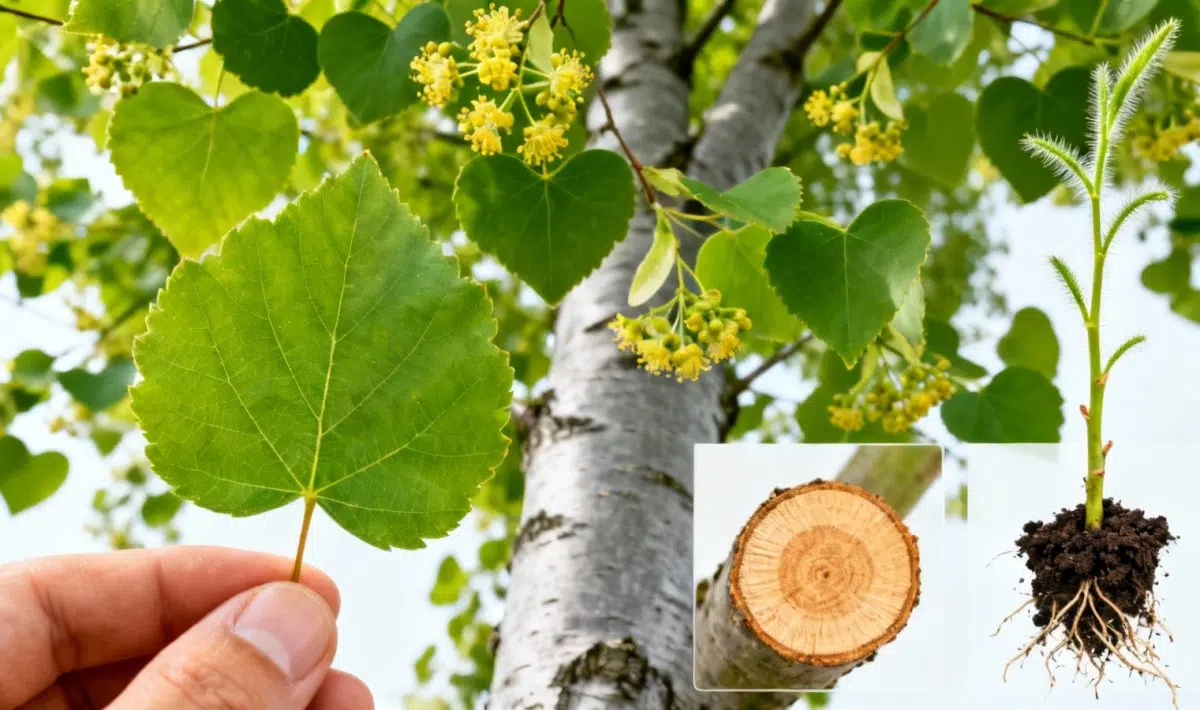
The small-leaved lime, scientifically known as Tilia cordata, stands as one of Europe’s most cherished native trees. This magnificent linden tree captivates gardeners with its heart-shaped leaves, fragrant flowers, and remarkable adaptability to various growing conditions. Whether you’re planning to add this beautiful specimen to your landscape or simply want to learn more about its fascinating characteristics, understanding its care requirements will help you cultivate a thriving tree.
The small-leaved lime belongs to the Malvaceae family and displays distinctive features that make it easily recognizable. This deciduous tree typically reaches heights of 20-25 meters, with exceptional specimens growing up to 30 meters tall. The crown develops an elegant ovoid shape, spreading 10-15 meters wide with gracefully arching branches that create dense, attractive foliage.
The leaves measure approximately 5-10 centimeters in length, showcasing a characteristic heart-shaped form with finely serrated edges. During summer, the upper surface appears bright green while the underside reveals a pale, glaucous color with distinctive tufts of reddish-brown hairs along the leaf veins. This unique feature helps distinguish Tilia cordata from other lime species.
Come June, the tree produces clusters of 5-11 creamy-yellow flowers that release an intensely sweet fragrance. These blooms prove irresistible to bees and other pollinators, making the small-leaved lime an excellent choice for wildlife-friendly gardens. The flowers develop into small, round fruits measuring 0.5-0.8 centimeters, initially covered with fine hairs before becoming smooth as they mature.
Natural habitat and growing conditions
Originally native to Europe, the small-leaved lime thrives across a vast range extending from the British Isles to the Ural Mountains. In its natural habitat, this hardy tree adapts to various soil types but shows particular preference for well-drained, fertile ground. The species demonstrates remarkable cold resistance, tolerating temperatures well below freezing during winter months.
When selecting a location for your Tilia cordata, consider that it performs best in full sun to partial shade. The tree tolerates urban pollution exceptionally well, making it a popular choice for city landscaping projects. However, it rarely grows naturally above 1,000 meters altitude, preferring lowland and moderate elevation sites.
Just as gardeners seek specialized care tips for oleander plants for Mediterranean species, understanding the small-leaved lime’s preferences ensures successful cultivation. This adaptable tree accepts various soil conditions, from slightly acidic to alkaline, but thrives in moist, well-draining substrates rich in organic matter.
Cultivation and planting techniques
Successful cultivation of small-leaved lime begins with proper site preparation. Before planting, test your soil pH and drainage capabilities. While the tree tolerates different soil types, improving heavy clay with organic compost enhances root development and overall plant health.
Plant young trees during autumn or early spring when temperatures remain cool and moisture levels stay consistent. Dig a planting hole twice as wide as the root ball but no deeper than the original soil level. This prevents the tree from settling too deeply, which could lead to root rot or other complications.
Space multiple trees at least 8-10 meters apart to accommodate their mature spread. Water newly planted specimens regularly during their first growing season, providing approximately 2-3 centimeters of water weekly during dry periods. Apply a 5-10 centimeter layer of organic mulch around the base, keeping it several centimeters away from the trunk.
Essential care requirements
Established small-leaved lime trees require minimal maintenance once their root systems develop fully. During the first few years, monitor soil moisture levels carefully, especially during hot summer months. Deep, infrequent watering encourages strong root growth better than frequent shallow irrigation.
Fertilize young trees annually in early spring with a balanced, slow-release fertilizer. Mature specimens rarely need supplemental feeding if planted in reasonably fertile soil. However, trees growing in poor conditions benefit from annual compost applications around the drip line.
Pruning requirements remain minimal for most landscape applications. Remove dead, damaged, or crossing branches during late winter while the tree remains dormant. Unlike the specific techniques required for guidance on Philodendron Birkin care with houseplants, lime trees need little intervention once established.
Propagation methods and techniques
Propagating small-leaved lime can be accomplished through several methods, each with distinct advantages and challenges. Seed propagation offers the most natural approach but requires patience and specific conditions for success.
Growing from seeds
Collect fresh seeds in autumn when fruits ripen and fall naturally. The seeds require cold stratification to break dormancy, mimicking winter conditions. Mix seeds with slightly moist sand or peat moss, store in refrigerator for 90-120 days at temperatures between 1-5°C.
Sow stratified seeds in spring using well-draining potting mix. Plant seeds approximately 1 centimeter deep in individual containers or seed trays. Maintain consistent moisture and provide bright, indirect light. Germination typically occurs within 4-6 weeks under optimal conditions.
Vegetative propagation
Layering represents another effective propagation method for small-leaved lime. Select a low, flexible branch during early spring and create a shallow wound on the underside. Bury this section in soil while keeping the tip exposed, securing with wire or stone. Roots typically develop within 12-18 months.
Hardwood cuttings taken in late autumn sometimes succeed but show variable results. Take 20-25 centimeter sections from current year’s growth, treat with rooting hormone, and plant in well-draining propagation mix. Maintain high humidity and consistent temperatures around 18-20°C.
Similar to propagation challenges faced with Monstera obliqua care and propagation, success rates improve with proper environmental control and patience.
Common challenges and solutions
Small-leaved lime trees generally resist most pests and diseases when grown in appropriate conditions. However, several issues occasionally affect tree health and appearance.
Aphids sometimes colonize young shoots and leaves during spring growth flushes. These soft-bodied insects rarely cause serious damage but can create unsightly honeydew deposits. Natural predators usually control populations effectively, but severe infestations respond well to insecticidal soap applications.
Leaf spot diseases occasionally develop during humid conditions, particularly when air circulation remains poor. Ensure adequate spacing between plants and avoid overhead watering during evening hours. Remove affected leaves promptly and dispose of them away from healthy plants.
Root rot can occur in poorly drained soils, especially during extended wet periods. Improve drainage through soil amendments or consider raised planting areas for problem locations. Prevention remains far more effective than treatment for this serious condition.
Ecological benefits and wildlife value
The small-leaved lime provides exceptional value for wildlife and ecosystem health. Its abundant flowers support numerous pollinator species, including honeybees, bumblebees, and various native insects. The nectar production ranks among the highest of European tree species, making it invaluable for apiary operations.
Birds benefit from the tree’s dense branching structure, using it for nesting sites and shelter. The seeds provide food for finches and other granivorous species during autumn and winter months. Additionally, the bark harbors beneficial insects and provides habitat for various arthropods.
Just as Southern magnolia care and characteristics contribute to Southern landscapes, small-leaved lime enriches temperate ecosystems through its multiple ecological functions. The tree’s longevity means these benefits accumulate over many decades, supporting biodiversity for generations.
Landscape applications and design considerations
Small-leaved lime adapts beautifully to various landscape applications, from formal avenue plantings to naturalistic woodland gardens. Its moderate size makes it suitable for residential properties where larger species might prove overwhelming.
The tree’s dense canopy provides excellent shade during summer months while allowing light penetration after autumn leaf drop. This seasonal variation benefits both garden design and energy conservation around buildings. The fragrant flowers create sensory appeal during their brief but memorable blooming period.
Consider pairing small-leaved lime with other native species to create cohesive, sustainable plantings. Understory shrubs and perennials thrive beneath its canopy, creating layered garden compositions that support diverse wildlife communities.
Urban planners increasingly recognize the value of Tilia cordata for street tree applications. Its tolerance of pollution, compact root system, and manageable size make it ideal for challenging urban environments where many other species struggle to survive.
Allan is a lifelong gardening enthusiast who still gets excited when the first seedlings pop up in spring. With a deep love for nature and a hands-in-the-soil approach, he shares practical tips, plant discoveries, and clever tricks picked up over years of digging, planting, and observing. Whether you’re a new gardener or have a shed full of tools, Allan writes like a neighbor who’s always happy to swap cuttings and stories over the fence.
You can find more about Allan’s work on Malt or connect with him on LinkedIn.