
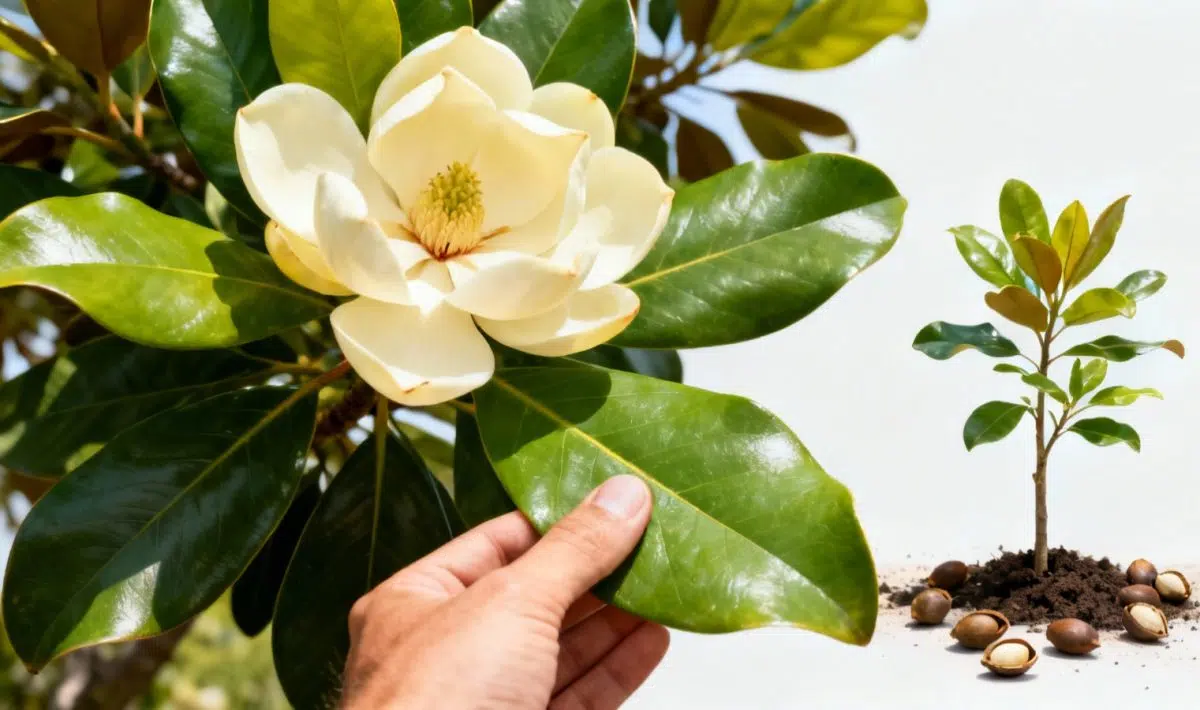
The Southern magnolia (Magnolia grandiflora) stands as one of nature’s most magnificent specimens, gracing landscapes with its glossy evergreen foliage and spectacular fragrant blooms. This majestic tree, native to the southeastern United States, has captured hearts worldwide with its impressive stature and timeless beauty. Whether you’re considering adding one to your garden or already nurturing a young magnolia, understanding its needs will help you achieve the best results.
From its natural habitat in the Americas to gardens across different continents, this remarkable species continues to thrive when given proper care. The grandiflora’s adaptability makes it suitable for various climates, though it performs best in specific conditions that mirror its native environment.
Characteristics of the magnificent magnolia grandiflora
The Southern magnolia presents itself as a truly impressive arbre, reaching heights of 60 to 80 feet with a spread of 30 to 50 feet when fully mature. Its distinctive feuilles create year-round interest, displaying deep green surfaces with rusty-brown undersides that flutter beautifully in the breeze.
The most striking feature remains its spectacular fleurs, which can measure 8 to 12 inches across. These creamy blanc blooms emit a powerful citrus fragrance, particularly noticeable during evening and morning hours. The floraison period typically spans from late spring through summer, with individual flowers lasting only a few days but appearing in succession.
This particular espèce belongs to an ancient famille of plantes that have existed for millions of years. The tree’s natural répartition covers the southeastern états of America, from North Carolina down to Floride and west to Texas. In its naturel habitat, it thrives in rich, moist soils alongside other native arbres.
Cultivation requirements and growing conditions
Successfully growing a Southern magnolia begins with understanding its preferred growing conditions. This rustique tree performs best in USDA zones 6-10, tolerating temperatures as low as 0°F once established. The sol should be well-draining yet moisture-retentive, with a slightly acidic to neutral pH.
When selecting a location, choose a spot that receives full sun to partial shade. At least 4-6 hours of direct sunlight daily ensures optimal flowering and healthy growth. The plante appreciates protection from strong winds, which can damage its large feuilles and flowers.
For those cultivating magnolias in containers, similar to care tips for Nerium oleander, ensure adequate drainage and regular watering. Container-grown specimens require more frequent attention to moisture levels and may need protection during extreme weather conditions.
Essential care and maintenance practices
Proper care ensures your magnolia grandiflora thrives for decades. Water deeply but infrequently, allowing the sol to dry slightly between waterings. Established arbres show good drought tolerance, though consistent moisture promotes better growth and flowering.
Mulching around the base helps retain moisture and regulate sol temperature. Apply a 3-4 inch layer of organic mulch, keeping it several inches away from the trunk to prevent pest issues. This practice also suppresses weeds that might compete for nutrients.
Pruning should be minimal and done immediately after floraison. Remove only dead, damaged, or crossing branches. The tree’s natural form is part of its appeal, so avoid heavy shaping. Light pruning maintains health without compromising the magnolia’s characteristic beauty.
Propagation methods and techniques
Propagating Southern magnolias requires patience and proper technique. The most common methods include growing from graines, taking softwood cuttings, or air layering. Each approach has its advantages and specific timing requirements.
Seed propagation works best with fresh graines collected in fall when the rouge seed pods split open. Clean the seeds thoroughly and plant immediately in well-draining potting mix. Germination can be slow and erratic, sometimes taking several months.
Softwood cuttings offer more predictable results, similar to growing guidelines for Fuchsia magellanica. Take 4-6 inch cuttings from current year’s growth in early summer, treat with rooting hormone, and maintain consistent moisture and humidity.
Various cultivar selections offer different characteristics, from compact growth habits to unique flower colors. Research specific varieties to find one suited to your space and preferences. Some popular cultivars include ‘Bracken’s Brown Beauty’ and other named selections.
Landscape applications and design uses
The Southern magnolia excels as a specimen tree, creating dramatic focal points in large landscapes. Its evergreen nature provides year-round structure, while the impressive fleurs add seasonal interest. Consider the mature taille when planning placement, ensuring adequate space for full development.
In urban settings, this tree adapts well to parks and large residential properties. Cities like Nantes in France have successfully incorporated magnolias into their urban forestry programs. The species also thrives in parts of Canada where climate conditions permit, extending its range beyond its native habitat.
When planning companion plantings, consider species that complement rather than compete with the magnolia’s root system. Plants that prefer similar growing conditions work well, such as those requiring consistent moisture and filtered light beneath the canopy, including cultivation methods for Capsicum annuum in suitable microclimates.
Common challenges and solutions
While generally healthy, Southern magnolias can face certain challenges. Leaf drop is normal, particularly in late spring when old feuilles are replaced by new growth. This natural process shouldn’t cause concern unless excessive.
Scale insects occasionally affect magnolias, appearing as small bumps on branches and feuilles. Regular inspection and prompt treatment with horticultural oil can manage minor infestations. Maintaining good air circulation around the tree helps prevent many pest issues.
Cold damage may occur in northern growing zones during harsh winters. Young arbres are particularly vulnerable and benefit from protection during their first few years. Mulching heavily around the base and wrapping the trunk can provide additional protection.
Ecological benefits and wildlife value
Beyond their ornamental value, Southern magnolias provide important ecological benefits. The large fleurs attract various pollinators, including beetles, which are among the primary pollinators of magnolias due to their ancient evolutionary relationship.
Birds appreciate the rouge seeds when available, and the dense canopy provides nesting sites for various species. The tree’s contribution to urban forests helps improve air quality and provides cooling shade, making it valuable for environmental sustainability.
Similar to how tips for caring for Rhododendron indicum benefit local ecosystems, magnolias support biodiversity while enhancing landscape beauty. The combination of ecological function and aesthetic appeal makes them excellent choices for environmentally conscious gardeners.
Understanding the Southern magnolia’s needs and characteristics enables successful cultivation of this magnificent tree. With proper care, it will reward you with decades of beauty, creating a lasting legacy in your landscape that future generations will appreciate.

Allan is a lifelong gardening enthusiast who still gets excited when the first seedlings pop up in spring. With a deep love for nature and a hands-in-the-soil approach, he shares practical tips, plant discoveries, and clever tricks picked up over years of digging, planting, and observing. Whether you’re a new gardener or have a shed full of tools, Allan writes like a neighbor who’s always happy to swap cuttings and stories over the fence.
You can find more about Allan’s work on Malt or connect with him on LinkedIn.


