How often should you water your english ivy for healthy growth
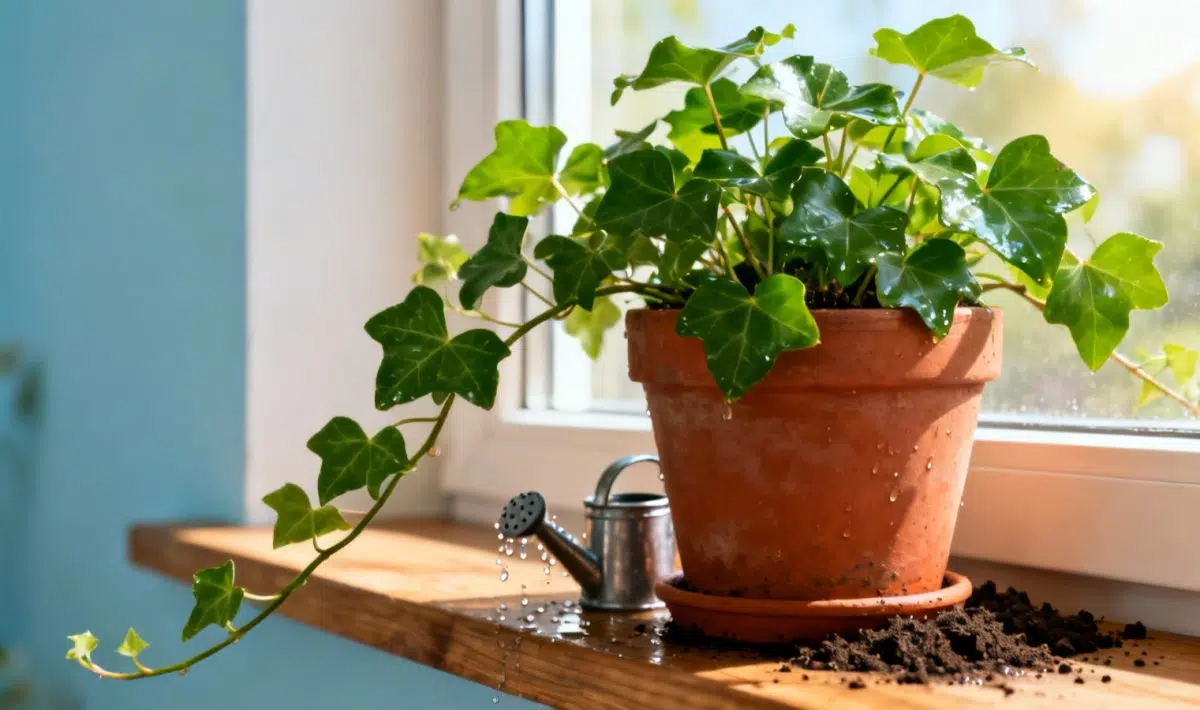
Your English ivy deserves the right amount of water to flourish as one of the most resilient indoor plants. Getting the watering frequency just right makes all the difference between a thriving plant and one that struggles. Many plant lovers find themselves wondering exactly how often their ivy needs attention, and honestly, it’s not as complicated as you might think.
English ivy (Hedera helix) has earned its reputation as a hardy indoor companion for good reason. This adaptable plant can tolerate some drought once established, but it performs best with consistent, moderate watering. The key lies in understanding that your ivy prefers its soil to dry out slightly between waterings rather than staying constantly moist.
During active growing seasons, you’ll typically need to water your English ivy once or twice per week. However, this isn’t a rigid schedule – your plant’s actual needs depend on several environmental factors that we’ll explore. The golden rule is to let the top inch or two of soil dry out before reaching for your watering can again.
Factors that influence watering frequency
Several environmental conditions directly impact how often you should water your ivy. Light exposure plays a crucial role – plants in bright, indirect light will use water more quickly than those in lower light conditions. Similarly, temperature affects your plant’s metabolism and water consumption rate.
Humidity levels in your home also matter significantly. During dry winter months when heating systems reduce indoor humidity, your ivy may need water more frequently. Conversely, in naturally humid environments or during summer months, you might find yourself watering less often.
The size of your pot and the type of soil mixture you’re using will also influence drainage and water retention. Well-draining soil in appropriately sized containers helps prevent the root rot that ivy plants particularly dislike.
Seasonal watering adjustments
Your English ivy’s watering needs change throughout the year, and adapting your routine accordingly keeps your plant healthy. During spring and summer growing seasons, when your ivy is actively producing new leaves and stems, you’ll typically water every 4-8 days if the soil surface feels dry.
Winter months call for a different approach entirely. As growth slows down and indoor heating reduces humidity, you might find yourself watering only once every 2-3 weeks. This dramatic reduction might seem concerning at first, but your ivy actually appreciates this rest period. Just as other gardeners learn specific techniques for watering tomatoes in extreme heat, understanding seasonal needs helps you provide optimal care.
Signs your ivy needs attention
Learning to read your plant’s signals takes some practice, but English ivy communicates its needs fairly clearly. When your ivy needs water, you might notice the leaves starting to look slightly less glossy or feeling less firm to the touch. However, avoid waiting until leaves actually droop, as this indicates stress.
Overwatering presents different warning signs that are equally important to recognize. Yellow leaves, particularly those starting from the bottom of the plant, often indicate too much moisture. Musty odors from the soil or black, soft roots are serious red flags that require immediate attention.
Effective watering techniques for english ivy
The method you use to water your ivy can be just as important as the frequency. Rather than giving your plant light, frequent sprinkles, provide thorough watering sessions that allow water to reach all parts of the root system. Water slowly and evenly across the soil surface until you see water beginning to drain from the bottom holes.
Many experienced plant parents prefer bottom watering for their English ivy. This technique involves placing your pot in a tray of water and allowing the plant to absorb moisture from below. This method encourages roots to grow downward while reducing the risk of fungal issues on leaves and stems.
Always use room temperature water when possible, as cold water can shock the roots and slow growth. If your tap water is heavily chlorinated, letting it sit overnight before use allows chemicals to evaporate naturally.
Managing humidity for optimal health
While proper watering addresses your ivy’s root zone needs, managing air humidity supports overall plant health. English ivy appreciates moderate humidity levels, typically around 40-50%. During dry seasons or in heated homes, consider placing a humidity tray near your plant or occasionally misting the leaves.
However, avoid over-misting, especially in areas with poor air circulation. Consistently wet leaves can develop fungal problems, particularly during cooler months when evaporation rates slow down. Similar principles apply to many houseplants, and you can learn more about moisture management techniques when watering your Indian shot plant for comparison.
Troubleshooting common watering problems
Even with careful attention, you might encounter some challenges along the way. If your ivy’s growth seems sluggish despite regular watering, check that your pot has adequate drainage holes and that water isn’t pooling in decorative outer containers.
Conversely, if your plant seems to dry out very quickly, consider whether the pot size is appropriate for your plant’s current root system. A plant that has outgrown its container will need water more frequently and may benefit from repotting into fresh, well-draining soil.
Benefits of proper english ivy care
When you master the art of watering your English ivy correctly, you’ll notice significant improvements in your plant’s overall appearance and growth rate. Properly hydrated ivy produces lush, glossy leaves with vibrant green coloration that enhances any indoor space.
Beyond aesthetics, well-maintained English ivy contributes to improved indoor air quality. NASA research has identified ivy as one of the top air-purifying plants, capable of removing common household pollutants from indoor environments. This makes your careful attention to watering an investment in both plant health and your home’s atmosphere.
Healthy ivy plants also prove more resistant to common pests and diseases. When your plant receives consistent, appropriate watering, it develops stronger natural defenses and recovers more quickly from any stress factors it might encounter.
Long-term care considerations
As your English ivy matures, you might notice its watering needs evolving slightly. Established plants often become more drought-tolerant and may require less frequent attention than when they were younger. This adaptation makes ivy an excellent choice for busy plant parents or those just beginning their indoor gardening journey.
Regular observation remains key to long-term success. Just as gardeners develop specialized knowledge about different species – like understanding the specific requirements for Angel’s-wings begonia watering tips or learning techniques for optimal watering for China aster – becoming familiar with your ivy’s individual preferences helps ensure continued success.
Remember that every plant is unique, and environmental factors in your specific home will influence your ivy’s needs. Start with these general guidelines, then adjust based on what you observe. With time and attention, you’ll develop an intuitive understanding of exactly how often your English ivy needs water to thrive in your particular indoor environment.
Allan is a lifelong gardening enthusiast who still gets excited when the first seedlings pop up in spring. With a deep love for nature and a hands-in-the-soil approach, he shares practical tips, plant discoveries, and clever tricks picked up over years of digging, planting, and observing. Whether you’re a new gardener or have a shed full of tools, Allan writes like a neighbor who’s always happy to swap cuttings and stories over the fence.
You can find more about Allan’s work on Malt or connect with him on LinkedIn.