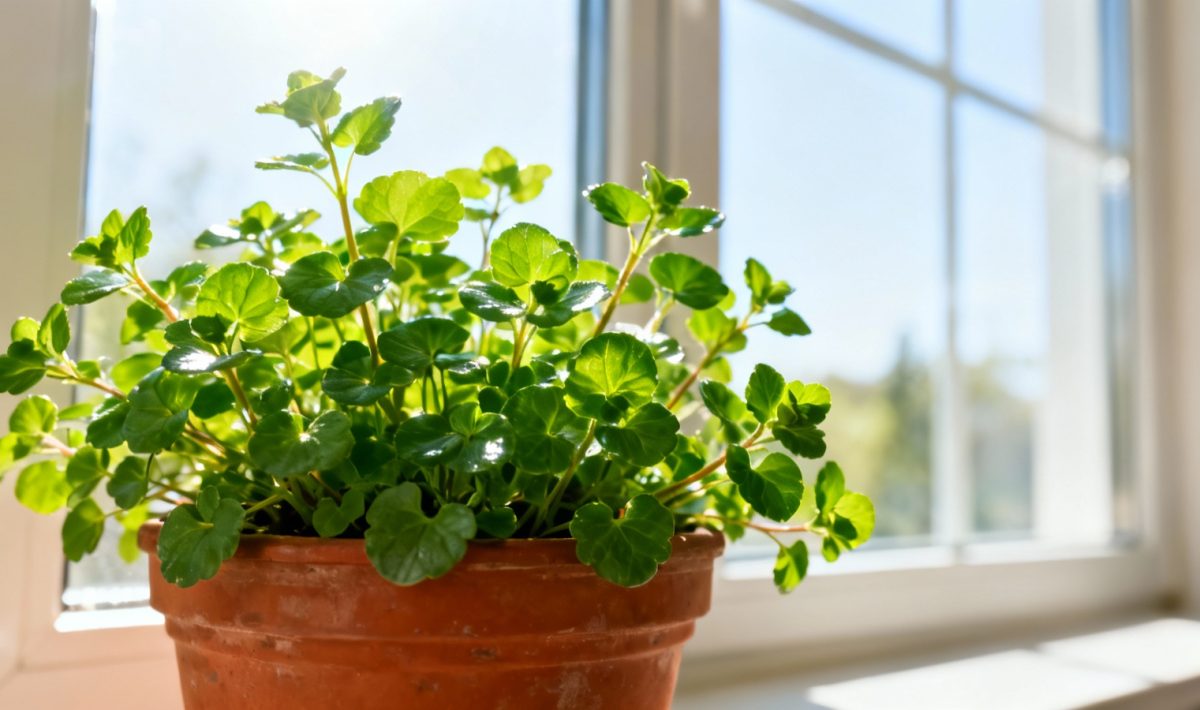
Ground ivy, scientifically known as Glechoma hederacea, stands out as one of the most adaptable plants you can grow. This green trailing plant has earned its reputation for being remarkably tolerant when it comes to light conditions. Unlike many plants that demand specific lighting requirements, ground ivy thrives in various environments from deep shade to partial sun exposure.
The beauty of this plant lies in its natural adaptability. In the wild, ground ivy carpets forest floors where dappled sunlight filters through tree canopies. This natural habitat gives us valuable insight into how much sunlight ground ivy actually needs for optimal growth and health.
Optimal light conditions for ground ivy
When considering how much sunlight does ground ivy need, the answer is refreshingly flexible. This hardy plant performs best in partial shade to full shade conditions, making it perfect for those tricky spots in your garden where other plants struggle. Ground ivy can happily grow with as little as 2-3 hours of indirect sunlight per day.
The plant shows remarkable tolerance to low-light conditions, which explains why it’s often found thriving under larger plants or in woodland settings. However, it can also adapt to brighter conditions if the soil remains consistently moist. The key is understanding that while ground ivy tolerates various light levels, it truly excels in shadier spots.
For those dealing with similar light considerations for other plants, you might find it helpful to explore sunlight requirements for lemon trees which have very different needs compared to our shade-loving ground ivy.
Signs your ground ivy needs different lighting
Even though ground ivy is incredibly adaptable, it will show you when the lighting isn’t quite right. In too much direct sun, especially during hot summer months, the leaves may develop brown edges or appear scorched. The plant might also require more frequent watering as the soil dries out faster under intense sunlight.
Conversely, in extremely low light conditions, ground ivy may become leggy with longer spaces between leaves. The foliage might lose some of its vibrant green color, appearing somewhat pale. These signs indicate the plant would benefit from a slight adjustment in positioning to receive a bit more filtered light.
Interestingly, ground ivy shares some shade tolerance characteristics with other resilient plants. If you’re curious about plants with different light needs, check out how sunlight needs of garden nasturtium compare to our shade-loving friend.
Best positioning for healthy growth
The secret to successful ground ivy cultivation lies in smart positioning. Place your plant where it receives morning light but afternoon shade, particularly during summer months. East-facing locations work wonderfully, providing gentle morning sun followed by protection from harsh afternoon rays.
Indoor growers should position ground ivy near windows with sheer curtains or in rooms with bright, indirect light. Avoid placing the pot directly in a south-facing window where intense sunlight might stress the plant. A spot that receives filtered light throughout the day proves ideal for maintaining healthy, vigorous growth.
This positioning strategy differs significantly from plants like optimal sunlight for white clover, which have their own specific requirements. Ground ivy’s flexibility makes it an excellent choice for challenging locations where other plants might struggle.
Soil and moisture considerations with lighting
The relationship between light and soil moisture plays a crucial role in ground ivy care. In brighter locations, the soil dries out more quickly, requiring more frequent watering to keep your plant happy. Well-draining soil mixed with organic matter helps maintain consistent moisture levels without becoming waterlogged.
Ground ivy prefers slightly moist soil that never completely dries out. In shadier spots, you’ll find the soil retains moisture longer, reducing watering frequency. This makes the plant particularly valuable for those areas of your garden that stay naturally damper.
The drainage factor becomes especially important if your ground ivy receives more sun than usual. Good drainage prevents root rot while ensuring the plant has access to the water it needs. A mix of regular potting soil with some compost creates an ideal growing medium that supports healthy root development.
Seasonal light adjustments
Throughout the year, ground ivy’s light needs remain relatively consistent, but seasonal changes affect how you manage its care. During winter months when daylight hours are shorter, the plant naturally slows its growth and requires less water. This dormancy period is completely normal and healthy.
Summer presents the biggest challenge, as increased sunlight intensity can stress ground ivy if it’s positioned in too bright a location. Consider providing temporary shade during the hottest part of summer, or move containers to slightly more protected spots during heat waves.
Spring marks the beginning of active growing season when ground ivy starts producing new growth. This is when proper light positioning becomes most important for encouraging vigorous, healthy development. Unlike plants such as sunlight for healthy cape jasmine, ground ivy doesn’t require intense light to flourish during growing season.
Maximizing growth with proper care
While light requirements form the foundation of ground ivy care, combining proper lighting with good overall practices ensures the best results. Regular feeding during the growing season with a balanced liquid fertilizer helps maintain vibrant foliage color and encourages spreading growth.
Pinching back longer stems encourages bushier growth and prevents the plant from becoming too sparse. This pruning technique works especially well when combined with optimal light conditions, promoting dense, attractive foliage that covers the soil effectively.
For those interested in comparing care requirements with other hardy plants, learning about light requirements for common purslane provides interesting contrast to ground ivy’s shade tolerance. Each plant has evolved its own strategies for thriving in specific light conditions.
Troubleshooting common light-related issues
When ground ivy isn’t performing well, light-related issues are often the culprit. Yellowing leaves typically indicate either too much direct sun or insufficient drainage combined with excess moisture from shaded conditions. Adjusting the plant’s position usually resolves these problems quickly.
If your ground ivy appears to stop growing or becomes dormant during what should be active growing season, it might be receiving too little light. While this plant tolerates deep shade, some indirect light remains necessary for healthy metabolism and growth.
Brown, crispy leaf edges almost always signal too much direct sunlight, especially during afternoon hours. Moving the plant to a location with filtered light or morning-only sun typically allows the foliage to recover and new growth to emerge healthy and green.
Comparing with other shade-tolerant plants
Ground ivy’s exceptional shade tolerance puts it in a special category among garden plants. While many plants struggle in low-light conditions, ground ivy actually prefers these environments, making it an excellent choice for difficult areas where other species fail to establish.
This adaptability extends to various growing conditions, from container gardening to ground cover applications. The plant’s ability to thrive with minimal light makes it particularly valuable for urban gardens where buildings create significant shade throughout the day.
For gardeners working with trees that create shade, understanding different light requirements helps in plant selection. For instance, sunlight needs of Pin oaks show how tree canopies affect understory planting options, where ground ivy could serve as excellent ground cover.
Creating the perfect environment
Success with ground ivy comes from understanding that this plant thrives on consistency rather than intensity when it comes to lighting. A location that provides steady, filtered light throughout the day beats fluctuating conditions between deep shade and bright sun.
Consider the plant’s trailing nature when positioning it for optimal light exposure. Hanging baskets or elevated containers allow the stems to cascade naturally while ensuring even light distribution across the foliage. This positioning also makes it easier to adjust the plant’s location if lighting conditions change seasonally.
The reward for providing appropriate light conditions is a robust, spreading plant with attractive heart-shaped leaves that add texture and interest to any garden space. Ground ivy’s forgiving nature and minimal light requirements make it an ideal choice for both beginning and experienced gardeners looking for reliable, low-maintenance plants.
Allan is a lifelong gardening enthusiast who still gets excited when the first seedlings pop up in spring. With a deep love for nature and a hands-in-the-soil approach, he shares practical tips, plant discoveries, and clever tricks picked up over years of digging, planting, and observing. Whether you’re a new gardener or have a shed full of tools, Allan writes like a neighbor who’s always happy to swap cuttings and stories over the fence.
You can find more about Allan’s work on Malt or connect with him on LinkedIn.