How much sunlight does common purslane need for optimal growth
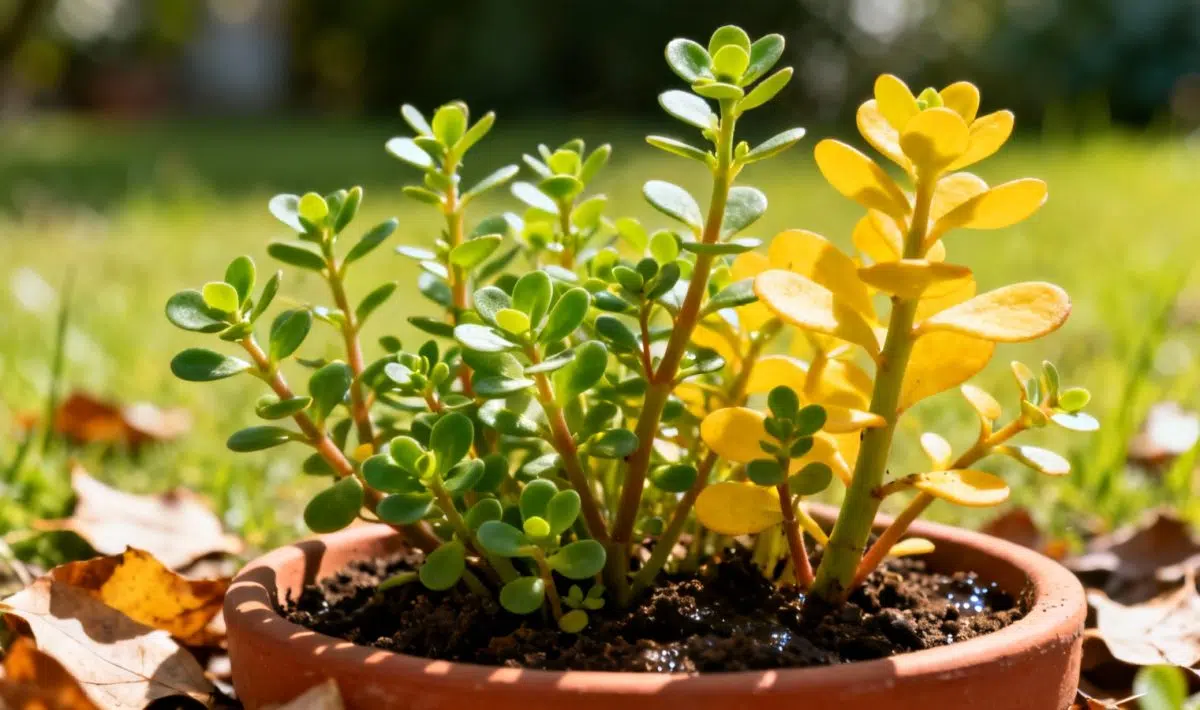
Common purslane (Portulaca oleracea) is one of those fascinating plants that many gardeners overlook, yet it’s packed with incredible potential. This succulent herb thrives in sunny conditions and offers both nutritional benefits and excellent ground cover properties. Understanding how much sunlight does common purslane need is crucial for anyone looking to grow this resilient plant successfully.
Understanding common purslane’s sunlight requirements
Common purslane is what botanists call a C4 plant, which means it has evolved to make the most of intense sunlight. This hardy succulent needs at least 6 to 8 hours of direct sunlight daily to reach its full potential. When you provide the right amount of light, you’ll be rewarded with vigorous growth and maximum productivity from your organic seeds.
The plant’s prostrate growth habit makes it perfect for areas where other plants might struggle. However, this same characteristic means it doesn’t compete well in shaded areas. That’s why choosing a location with ample sunlight is so important for success.
Research from 2023 shows some fascinating data about light intensity and purslane growth. When grown under high-intensity lighting conditions of 200 μmol m⁻² s⁻¹ for 12 hours, productivity increases dramatically – we’re talking about 2.63 to 3.83 times better yields compared to lower light conditions.
Why full sun matters for purslane
You might wonder why this plant is so particular about sunlight. The answer lies in its unique photosynthetic pathway. As a C4 plant, purslane has adapted to convert sunlight into energy much more efficiently than many other herbs and vegetables. This adaptation makes it highly tolerant to heat and drought conditions that would stress other plants.
When purslane receives adequate sunlight, it develops those characteristic thick, fleshy leaves that store water and nutrients. These leaves are not only what make the plant drought-tolerant but also what give it its impressive nutritional profile – rich in omega-3 fatty acids, vitamins, and minerals.
Just like understanding sunlight requirements for common borage helps gardeners succeed with that herb, knowing purslane’s specific needs will set you up for success.
Optimal growing conditions for common purslane
Creating the perfect environment for your purslane goes beyond just sunlight, though that remains the most critical factor. This plant thrives in well-draining soil and can tolerate poor soil conditions that would challenge many other plants. The key is ensuring your chosen location receives consistent, direct sunlight throughout the growing season.
When selecting seeds for planting, look for high-quality, non-GMO varieties that will give you the best results. Many gardeners appreciate that organic seeds often produce plants with better flavor and nutritional content. The fast-growing nature of purslane means you’ll see results quickly when conditions are right.
Temperature also plays a role in how much light your plants can handle. Purslane loves warm weather and actually performs better in hot conditions than most other leafy greens. This heat tolerance, combined with its sunlight requirements, makes it an excellent choice for summer gardens.
Evaluating your garden’s light conditions
Before planting, spend some time observing your potential growing area. Track how many hours of direct sunlight the space receives throughout the day. Morning and afternoon sun are both valuable, but continuous exposure during the peak daylight hours will give you the best results.
If you’re growing in containers, you have the advantage of being able to move your plants to follow the sun throughout the day. This flexibility can be particularly helpful if your yard has varying light conditions or if you want to maximize sun exposure during different seasons.
Similar to how sunlight needs of common peony vary from other plants, purslane has its own specific requirements that you’ll want to accommodate.
Growing techniques for maximum sunlight exposure
Once you’ve identified the sunniest spot in your garden, there are several techniques you can use to maximize your purslane’s exposure to light. Plant spacing is crucial – give each plant enough room so they don’t shade each other as they spread. Purslane has a naturally spreading growth habit, so adequate spacing ensures each plant gets its fair share of sunlight.
Consider the mature size when planning your layout. While purslane stays relatively low to the ground, it can spread quite extensively when conditions are favorable. This spreading nature makes it excellent as a living mulch or ground cover, but you need to plan accordingly.
Regular maintenance will help ensure continued good light penetration. Remove any dead or damaged stems promptly, and consider light pruning if the plants become too dense. This isn’t usually necessary with purslane, but in exceptionally favorable conditions, some management might be beneficial.
Companion planting considerations
When planning your garden layout, think about what you’ll plant near your purslane. Since it needs full sun, avoid placing it in the shadow of taller plants. Instead, consider companion plants that also thrive in sunny conditions and won’t compete for light.
Many gardeners find that purslane works well alongside other sun-loving herbs and vegetables. The key is choosing companions that won’t overshadow your purslane while it establishes and spreads. Understanding requirements like optimal sunlight for catnip growth can help you plan compatible plantings.
Some gardeners use purslane as a living mulch around larger plants, taking advantage of its ground-covering properties while ensuring it still receives adequate light. This approach works particularly well with widely-spaced crops that don’t create dense shade.
Common challenges and solutions
Even with optimal sunlight, you might encounter some challenges when growing purslane. One common issue is overwatering, which can be particularly problematic in sunny locations where you might think the plant needs more water. Remember that purslane is adapted to dry conditions and actually performs better with less frequent, deep watering.
Another consideration is timing your planting. While purslane loves heat and sun, young seedlings can sometimes struggle with intense midday sun immediately after transplanting. If you’re starting from seeds, consider providing some temporary shade during the hottest part of the day for the first week after germination.
Weather extremes can sometimes challenge even sun-loving plants. During heat waves, ensure your purslane has adequate water, though still be careful not to overwater. The plant’s succulent nature helps it handle heat stress better than many alternatives.
Maximizing nutritional benefits through proper sun exposure
One of the most compelling reasons to grow purslane is its exceptional nutritional profile. However, many gardeners don’t realize that proper sunlight exposure actually enhances these nutritional benefits. When purslane receives optimal light, it produces higher concentrations of beneficial compounds, including those valuable omega-3 fatty acids.
The improved protein content and mineral concentrations that come from proper light exposure make the effort worthwhile. Studies show that well-lit purslane contains significantly higher levels of potassium, calcium, magnesium, and iron compared to plants grown in suboptimal conditions.
Just as gardeners learn about sunlight tips for common coleus to optimize their ornamental plants, understanding purslane’s light needs helps you maximize both yield and nutritional value.
Seasonal considerations for sunlight management
Throughout the growing season, you’ll need to consider how changing light conditions affect your purslane. In early spring, the sun’s angle is different, and you might find that areas that receive full sun in summer are partially shaded earlier in the year. Plan your planting timing accordingly.
Late summer can bring its own challenges, with intense heat that might stress even sun-loving plants. While purslane handles heat well, providing some protection during the very hottest part of the day can sometimes be beneficial. This is particularly true in extremely hot climates or during unusual heat waves.
If you’re succession planting for continuous harvest, pay attention to how the changing seasons affect your chosen growing areas. What works well in June might need adjustment by August or September.
Indoor growing considerations
For those interested in growing purslane indoors or extending the season, artificial lighting can supplement natural sunlight. However, you’ll need high-intensity grow lights to replicate the conditions this plant prefers. The research mentioned earlier shows that high-intensity lighting for shorter periods can actually be more effective than lower intensity for longer durations.
When growing indoors, south-facing windows typically provide the best natural light, but you’ll likely need to supplement with grow lights for optimal results. Consider this approach if you want to grow purslane year-round or if your outdoor space lacks adequate sunlight.
Understanding light requirements helps whether you’re growing traditional herbs like those discussed in guides about Pin oak sunlight requirements for growth or specialized crops like purslane.
Harvesting and maintaining productive plants
With proper sunlight exposure, your purslane will be ready for harvesting much sooner than you might expect. The fast-growing nature of this plant means you can start harvesting young leaves and stems just a few weeks after planting, provided they’ve received adequate light.
Regular harvesting actually encourages more growth, especially when plants are receiving optimal sunlight. Cut stems will regrow quickly, and the plant will continue producing throughout the growing season. This makes purslane an excellent choice for gardeners who want a continuous supply of fresh, nutritious greens.
When harvesting, take stems from different parts of the plant to encourage even growth and ensure continued access to sunlight for all parts of the plant. This approach helps maintain the plant’s health and productivity throughout the season.
For gardeners interested in expanding their sun-loving crop repertoire, learning about requirements like optimal sunlight for wine grape vines can provide insights applicable to many different plants with similar needs.
Long-term success strategies
Success with purslane extends beyond just meeting its immediate sunlight needs. Consider how this plant fits into your overall garden plan and rotation. Since it’s an annual that readily self-seeds under good conditions, you might find volunteer plants appearing in subsequent years in areas where conditions are optimal.
Keep records of which areas of your garden provide the best results for your purslane. This information will be valuable for future plantings and can help you make informed decisions about garden layout and plant placement.
Remember that investing in quality, organic seeds from reputable sources will give you the best foundation for success. When combined with proper sunlight exposure and good growing practices, these seeds will reward you with healthy, productive plants that provide both nutritional and aesthetic value to your garden.
Allan is a lifelong gardening enthusiast who still gets excited when the first seedlings pop up in spring. With a deep love for nature and a hands-in-the-soil approach, he shares practical tips, plant discoveries, and clever tricks picked up over years of digging, planting, and observing. Whether you’re a new gardener or have a shed full of tools, Allan writes like a neighbor who’s always happy to swap cuttings and stories over the fence.
You can find more about Allan’s work on Malt or connect with him on LinkedIn.