Common mugwort (Artemisia vulgaris) is one of those wonderful herbs that brings both beauty and purpose to your garden. This hardy perennial has been treasured for centuries for its medicinal properties and culinary uses, making it a valuable addition to any herb enthusiast’s collection. Understanding how much sunlight does common mugwort need is essential for successful cultivation and ensuring your plants thrive throughout the growing season.
Understanding common mugwort’s sunlight requirements
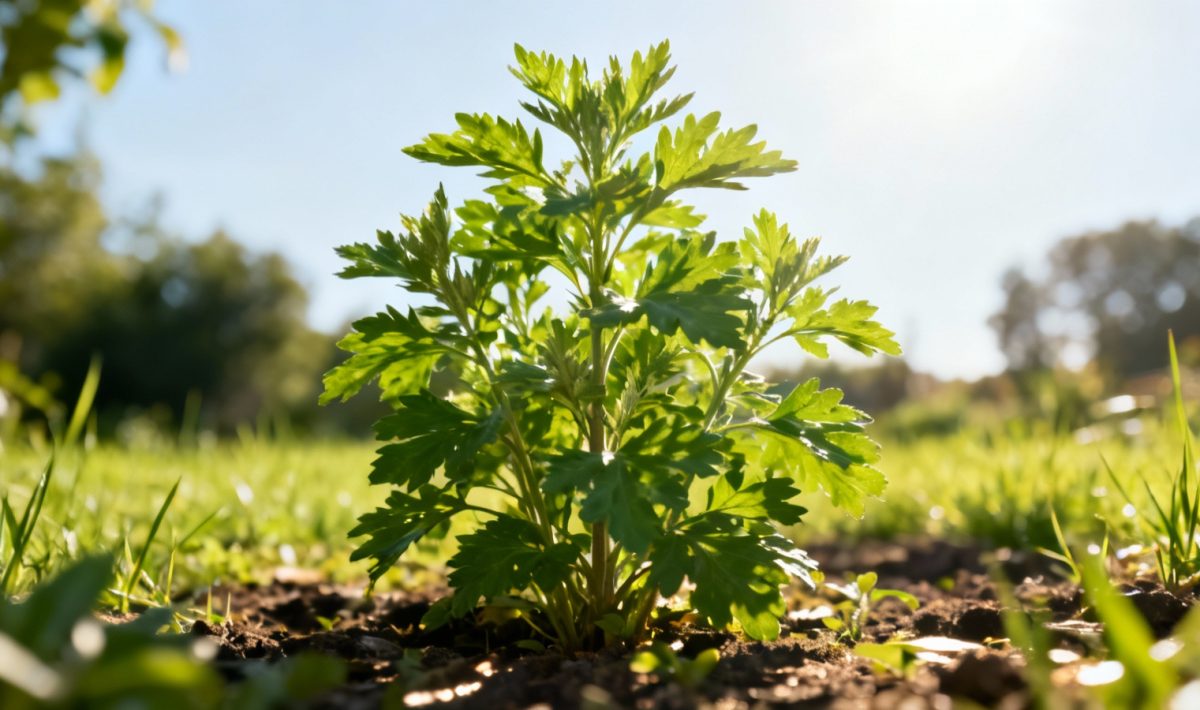
Common mugwort demonstrates remarkable tolerance to various lighting conditions, though it truly shines with adequate sun exposure. This resilient herb performs best in full sun to partial shade, requiring at least 4-6 hours of direct sunlight daily for optimal growth and flower production. While it can tolerate some shade, plants grown in full sun develop stronger stems, more aromatic foliage, and produce more abundant yellow flowers.
The plant’s natural habitat gives us valuable clues about its preferences. Mugwort typically grows in open meadows, along roadsides, and in disturbed areas where it receives ample sunlight throughout the day. In these conditions, the artemisia develops its characteristic silver-green feuilles and reaches its full height potential of 3-6 feet.
When grown in partial shade, mugwort adapts well but may become slightly leggy as it stretches toward available light sources. The herb maintains its medicinal properties regardless of lighting conditions, though sun-grown plants often contain higher concentrations of essential oils that give the plant its distinctive aroma and therapeutic benefits.
Optimal growing conditions for healthy mugwort
Beyond sunlight requirements, successful mugwort cultivation depends on several environmental factors working together. The plant thrives in well-drained sol that doesn’t retain excessive moisture, as waterlogged conditions can lead to root rot and other complications. Sandy or loamy soils with good drainage provide the ideal foundation for healthy growth.
Temperature tolerance is another strong point for this hardy herb. Mugwort withstands frost well and can survive in zones 3-9, making it suitable for a wide range of climates. The plant actually benefits from cool winters, which help trigger proper dormancy and stronger spring growth. During the growing season, consistent temperatures between 60-75°F encourage steady development.
Soil fertility requirements are modest, as mugwort grows well in average garden conditions. However, enriching the planting area with compost or well-aged manure can boost initial establishment. The herb’s drought tolerance once established makes it an excellent choice for low-maintenance gardens, though regular watering during dry spells promotes more vigorous growth.
Planting and cultivation techniques
Starting mugwort from graines offers the most economical approach to establishing your herb patch. Sow seeds directly in the jardin during late spring after the last frost date, or start them indoors 6-8 weeks before transplanting. Seeds require light for germination, so barely cover them with soil and keep the planting area consistently moist until sprouting occurs.
Spacing considerations are important since mature plants can spread through underground rhizomes. Allow 18-24 inches between plants to accommodate their natural spreading habit. This spacing also ensures adequate air circulation, which helps prevent fungal diseases that can affect dense plantings. Many gardeners prefer container growing to control the plant’s spreading tendency.
Regular entretien includes occasional watering during extended dry periods and annual pruning to maintain shape and prevent excessive self-seeding. Cut plants back to 6 inches in late fall or early spring to encourage fresh growth. This practice also helps maintain the plant’s compact form and prevents it from becoming too woody. Similar to sunlight requirements for common houseleek, proper light exposure is crucial for maintaining plant vigor.
Medicinal properties and traditional uses
The médicinales properties of mugwort have been recognized for thousands of years across various cultures. Traditional herbalists valued this plante for its digestive benefits, using it to stimulate appetite and ease stomach discomfort. The herb contains compounds like thujone and cineole, which contribute to its therapeutic effects and distinctive fragrance.
Modern herbalists continue to appreciate mugwort’s versatility in addressing various health concerns. The dried feuilles can be prepared as teas, tinctures, or used in herbal smoking blends. However, it’s important to note that pregnant women should avoid mugwort due to its uterine stimulant properties. Always consult with healthcare professionals before using any herbal remedies medicinally.
Culinary applications, while less common today, include using young leaves as seasoning for rich meats and as a bitter herb in traditional recipes. The slightly bitter flavor profile makes it an interesting addition to herbal salt blends or as a garnish for specific dishes, similar to other artemisia species like wormwood.
Companion planting and garden integration
Integrating mugwort into your existing garden design requires thoughtful planning due to its spreading nature. The herb pairs well with other sun-loving perennials that appreciate similar growing conditions. Consider planting it alongside other herbs like sage, thyme, or rosemary, which share similar soil and light preferences.
The plant’s natural pest-repelling properties make it a valuable companion for vegetable gardens. Many gardeners report fewer problems with various insectes when mugwort is grown nearby, though scientific evidence for this effect remains limited. Its deep taproot system can help break up compacted soil, potentially benefiting neighboring plants with shallower root systems.
When planning your herb jardin layout, remember that mugwort can become quite tall and may shade smaller plants if placed incorrectly. Position it on the north side of shorter herbs or use it as a natural backdrop for lower-growing varieties. Just as optimal sunlight for common comfrey varies based on location, consider your specific site conditions when positioning plants.
Seasonal care and maintenance
Spring marks the beginning of active growth for established mugwort plants. As new shoots emerge from the crown, this is an excellent time to divide overcrowded clumps and relocate sections to new areas. Gentle fertilization with a balanced, low-nitrogen fertilizer can support healthy development without encouraging excessive foliage at the expense of flowers.
Summer maintenance focuses primarily on monitoring moisture levels during extended dry periods. While the plant tolerates drought well once established, consistent watering promotes more vigorous growth and better flower production. The distinctive yellow fleurs typically appear in late summer, attracting beneficial pollinisateurs to your garden space.
Fall preparation involves deciding whether to collect seeds for future plantings or to cut back flowering stems to prevent unwanted self-seeding. Many gardeners appreciate the architectural interest that dried flower stalks provide during winter months. The plant’s natural winter dormancy requires little intervention, though mulching around the crown can provide extra protection in harsh climates. Understanding light requirements for related species, such as best sunlight for common passionfruit, can help you make informed decisions about garden placement and companion planting strategies.
Harvesting and preservation methods
Timing your harvest correctly maximizes both the potency and usefulness of your mugwort crop. The optimal time for collecting leaves is just before the plant flowers, typically in mid to late summer when essential oil content is at its peak. Choose a dry, sunny morning after the dew has evaporated but before the day becomes too hot.
Harvesting techniques involve cutting stems about one-third of the way down from the top, leaving enough foliage for the plant to continue photosynthesis and maintain its health. Use clean, sharp pruning shears to make clean cuts that heal quickly and reduce the risk of disease introduction. This selective harvesting approach allows you to collect material while ensuring continued plant vigor.
Preservation methods include air drying, which remains the most popular approach for maintaining the herb’s medicinal properties. Hang small bundles in a well-ventilated, dark area with good air circulation. Properly dried mugwort retains its color and aroma for up to one year when stored in airtight containers away from light and heat. Similar to caring for sunlight needs for common dogwood, proper post-harvest handling ensures you get the maximum benefit from your efforts.
Troubleshooting common growing challenges
Despite its reputation for easy cultivation, mugwort can occasionally face specific challenges that affect its growth and appearance. Poor drainage remains the most common issue, leading to yellowing leaves and root rot in severe cases. Improving soil drainage through the addition of coarse sand or perlite can resolve most moisture-related problems.
Pest issues are relatively uncommon, though aphids may occasionally colonize young growth during spring. These soft-bodied insectes typically don’t cause significant damage and often disappear naturally as beneficial predators arrive. Encouraging biodiversity in your garden through varied plantings helps maintain natural pest control balance.
Excessive spreading can become problematic in small gardens where space is limited. Installing root barriers or growing the plant in large containers can help contain its natural tendency to spread through underground runners. Regular division every 2-3 years also helps manage size while providing new plants for other garden areas. Understanding the specific needs of different plants, including ideal sunlight conditions for juniper, helps create a balanced garden ecosystem where each species can thrive in its preferred conditions.
With proper attention to its sunlight requirements and basic care needs, common mugwort rewards gardeners with years of reliable growth and useful harvests. This versatile herb combines ornamental value with practical applications, making it an excellent addition to both medicinal and culinary herb collections.

Allan is a lifelong gardening enthusiast who still gets excited when the first seedlings pop up in spring. With a deep love for nature and a hands-in-the-soil approach, he shares practical tips, plant discoveries, and clever tricks picked up over years of digging, planting, and observing. Whether you’re a new gardener or have a shed full of tools, Allan writes like a neighbor who’s always happy to swap cuttings and stories over the fence.
You can find more about Allan’s work on Malt or connect with him on LinkedIn.