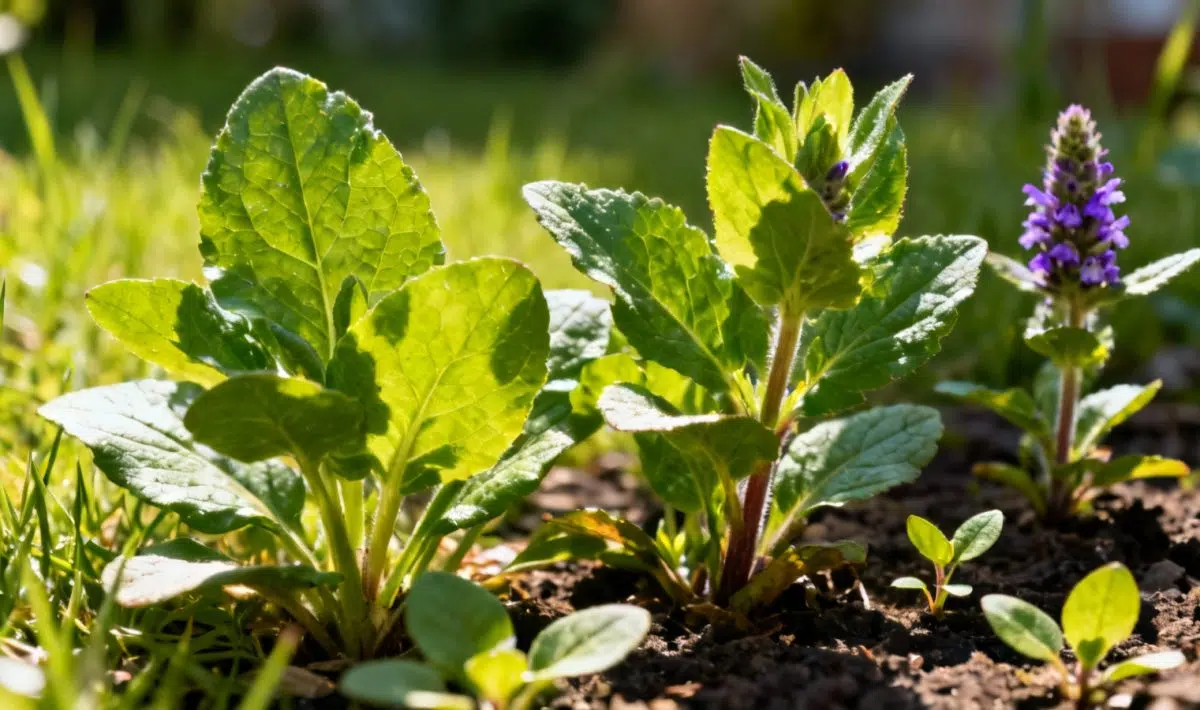
Growing common selfheal successfully starts with understanding its unique relationship with sunlight. This remarkable medicinal plant, known scientifically as Prunella vulgaris, has earned its place in gardens worldwide thanks to its adaptability and healing properties. The question of how much sunlight does common selfheal need is essential for anyone looking to cultivate this valuable herb.
Understanding common selfheal sunlight requirements
Common selfheal thrives best with at least 6 hours of direct sunlight daily, though it demonstrates impressive flexibility with varying light conditions. This hardy perennial plant adapts well to different exposures, from full sun to partial shade, making it an excellent choice for diverse garden settings.
The plant’s natural habitat provides clues about its lighting preferences. You’ll often find selfheal growing wild in meadows, lawns, and open woodlands where it receives generous morning sun but may experience some afternoon shade. This pattern suggests that while the plant appreciates good light, it doesn’t necessarily require intense, all-day sun exposure.
Research shows that selfheal can adjust its growth patterns based on available light. In brighter conditions, the plant produces more compact, vigorous growth with abundant flowering. When grown in shadier spots, it tends to stretch slightly but maintains its essential characteristics and medicinal value.
Optimal growing conditions for maximum health benefits
For gardeners seeking the best results, positioning common selfheal in a location that receives morning sun and light afternoon shade often proves ideal. This exposure pattern mirrors the plant’s preferred natural environment and encourages robust development of both foliage and flowers.
The quality of sunlight matters as much as quantity. Direct morning sunlight helps dry any overnight moisture from the leaves, reducing the risk of fungal issues. The gentler afternoon light prevents stress during the hottest part of the day, particularly important in warmer climates.
When planning your herb garden layout, consider that selfheal’s lighting needs are similar to other common medicinal plants. For instance, you might find it interesting to compare these requirements with sunlight requirements for common yarrow, as both plants share comparable growing preferences.
Seasonal light considerations and plant adaptation
Throughout the growing season, selfheal’s relationship with sunlight evolves. Spring growth benefits from the gentler, longer days as the plant emerges from winter dormancy. During this time, even partial sun exposure can support healthy development.
Summer presents the most critical period for light management. While the plant can handle full sun, especially with adequate moisture, some protection during peak afternoon hours in hot climates prevents stress. The purple-blue flowers that give selfheal its ornamental value develop best with consistent, moderate light levels.
Autumn light, though reduced in intensity, remains important for the plant’s preparation for winter. The lower angle of fall sun provides excellent conditions for late-season growth and seed development, ensuring the plant’s long-term success in your garden.
Light tolerance and shade adaptation
One of selfheal’s most appealing characteristics is its remarkable shade tolerance. Unlike many sun-loving herbs, this plant can thrive in partially shaded locations, making it perfect for woodland gardens or areas under deciduous trees.
In shadier conditions, you might notice the plant develops slightly larger leaves and a more open growth habit. This adaptation allows it to capture available light more efficiently. While flowering may be less prolific in deep shade, the plant maintains its medicinal properties and continues to spread as an excellent ground cover.
This adaptability makes selfheal an interesting companion to other flexible garden plants. Much like growing common dandelions successfully, selfheal demonstrates how some plants can adjust to various lighting conditions while maintaining their essential qualities.
Practical cultivation tips for different light conditions
When establishing selfheal in full sun locations, ensure consistent soil moisture, especially during hot summer periods. The combination of intense light and dry soil can stress the plant, reducing its vigor and medicinal potency.
For partial shade plantings, focus on soil drainage rather than moisture retention. Shadier spots often hold water longer, and selfheal prefers well-draining soil regardless of light levels. Adding compost or aged leaf mold can improve both drainage and soil structure.
Consider the mature size and spread when planning placement. In ideal lighting conditions, selfheal can form dense mats that suppress weeds effectively. This spreading nature makes it valuable as both a medicinal plant and a functional ground cover.
Comparing selfheal with other garden plants
Understanding how selfheal’s light requirements compare to other plants helps with garden planning. While it’s more shade-tolerant than many herbs, it still appreciates good light for optimal growth. This flexibility places it somewhere between full-sun herbs and true shade plants.
Tree-loving gardeners might find it useful to understand how selfheal’s needs differ from larger plants. For example, optimal sunlight for chokecherries requires different considerations, as trees have different light interception patterns than low-growing herbs.
The key difference lies in selfheal’s ability to thrive as an understory plant. While it enjoys full sun, it doesn’t require it to the same extent as many other garden favorites, making it an excellent choice for challenging spots.
If your selfheal appears leggy or produces fewer flowers than expected, insufficient light is often the culprit. Moving the plant to a brighter location or pruning overhead branches to increase light penetration can help restore vigorous growth.
Conversely, if leaves appear scorched or the plant wilts frequently despite adequate watering, too much intense sunlight may be the problem. Providing some afternoon shade or relocating to a spot with morning sun and partial afternoon shade typically resolves these issues.
Yellow leaves can indicate either too much or too little light, making observation important. Yellowing that starts with older, lower leaves often suggests natural aging, while widespread yellowing might indicate stress from lighting conditions.
Maximizing medicinal properties through proper light management
The concentration of beneficial compounds in selfheal can vary based on growing conditions, including light exposure. Plants grown in optimal light conditions typically develop higher concentrations of the antioxidants and anti-inflammatory compounds that make this herb so valuable.
Consistent, moderate light exposure encourages the production of secondary metabolites that give selfheal its medicinal properties. This is similar to how proper lighting affects the potency of many culinary and medicinal herbs.
For those interested in understanding how light affects different types of garden plants, learning about common hornbeam sunlight needs provides insight into how various species adapt to light conditions in different ways.
Long-term success with selfheal cultivation
Establishing selfheal successfully requires patience and attention to its lighting preferences. Once established in suitable conditions, the plant typically becomes quite self-sufficient, spreading naturally and requiring minimal intervention.
The plant’s perennial nature means that getting the light conditions right from the beginning pays dividends for years to come. A well-positioned selfheal patch can provide medicinal herbs, attract beneficial insects, and serve as attractive ground cover for decades.
Regular observation during the first growing season helps you understand how your specific site conditions affect the plant’s development. This knowledge allows for adjustments in watering, fertilizing, or even relocating if necessary to optimize growth and health.

Allan is a lifelong gardening enthusiast who still gets excited when the first seedlings pop up in spring. With a deep love for nature and a hands-in-the-soil approach, he shares practical tips, plant discoveries, and clever tricks picked up over years of digging, planting, and observing. Whether you’re a new gardener or have a shed full of tools, Allan writes like a neighbor who’s always happy to swap cuttings and stories over the fence.
You can find more about Allan’s work on Malt or connect with him on LinkedIn.