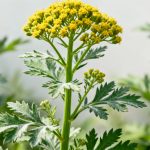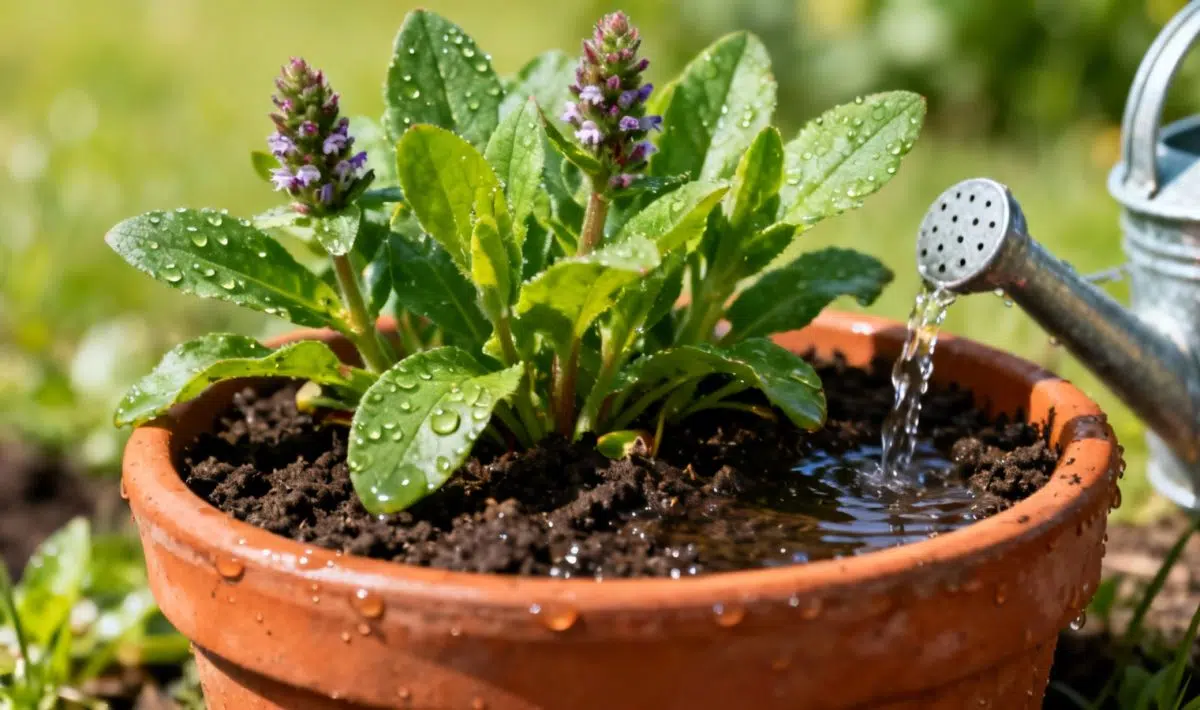
Understanding your Common Selfheal’s water requirements
When you first plant your Common Selfheal (Prunella vulgaris), understanding how often should you water your Common selfheal becomes essential for successful cultivation. This remarkable healing herb has specific water needs that change dramatically as the plant matures. Unlike many ornamental plants, Common Selfheal demonstrates exceptional drought tolerance once established, but the initial growing phase requires consistent moisture management.
The water requirements of this species differ significantly from other herbs you might grow. While some plants demand daily attention, Common Selfheal rewards patience with its resilient nature. However, establishing proper watering habits from the start ensures your plants develop strong root systems that will support their medicinal properties for years to come.
Initial establishment phase watering
During the first critical weeks after planting, your Common Selfheal seedlings need consistent moisture to develop properly. For seeds planted directly in the garden, maintain soil humidity for at least three to four weeks to ensure successful germination. The germination process typically takes two to three weeks, but consistent water during this period makes all the difference between success and failure.
When working with small plugs or transplants, water every two to three days until you notice new growth emerging. This frequent watering schedule supports root development in well-draining soils, which this herb prefers. Once you see fresh leaves appearing, you can gradually reduce the frequency as the root system strengthens.
Just as you might consider watering your sycamore tree effectively for establishing large plants, young Common Selfheal requires similar attention to detail during its vulnerable early stages.
Mature plant water management
Once your Common Selfheal plants have established themselves, typically after the first month, their water needs decrease substantially. A mature plant thrives with weekly watering during spring and early fall when growth is most active. This reduced schedule encourages deep root development, making your plants more resilient during dry periods.
During extreme heat waves or prolonged dry spells, you may need to increase watering frequency temporarily. However, avoid the temptation to water daily, as this can actually weaken the plant’s natural drought resistance. Instead, provide deep, thorough watering that penetrates several inches into the soil.
The beauty of this healing herb lies in its adaptability. Even experienced gardeners who master care tips for common chicory often find Common Selfheal even more forgiving once established.
Seasonal watering adjustments for optimal growth
Spring and summer care
Spring marks the beginning of active growth for your Common Selfheal plants. As temperatures warm and daylight increases, resume regular watering if you reduced it during winter. This is when the herb produces its characteristic purple flower spikes that have been valued for centuries in traditional healing practices.
Summer heat presents the biggest challenge for maintaining proper moisture levels. While established plants can withstand extended dry periods, intervening after more than thirty days without rain helps maintain plant vigor. Deep, infrequent watering works better than light, frequent applications during hot weather.
Monitor your plants for signs of stress during heat waves. Wilting during the hottest part of the day is normal, but if plants remain wilted in the evening or early morning, they need water immediately.
Fall and winter considerations
As temperatures cool in fall, gradually reduce watering frequency. Common Selfheal naturally slows its growth as it prepares for winter dormancy. Overwatering during this period can lead to root problems, so err on the side of caution.
Winter watering depends entirely on your climate. In areas with regular rainfall or snow cover, supplemental watering becomes unnecessary. However, in dry winter regions, occasional deep watering during warm spells keeps the root system healthy for spring emergence.
Understanding these seasonal patterns helps you provide consistent care, much like learning optimal watering for common yew requires adapting to each plant’s unique seasonal rhythms.
Recognizing water stress and soil conditions
Signs of water imbalance
Learning to read your Common Selfheal’s water needs becomes easier with experience. Underwatered plants show wilting leaves that don’t recover overnight, while the flower production may decrease noticeably. The herb’s natural healing properties can actually diminish when plants experience chronic water stress.
Conversely, overwatering creates different problems. Yellowing leaves, particularly from the bottom up, often indicate too much moisture. Root rot can develop in poorly draining soils that stay consistently wet, which is why this herb prefers sandy to loamy soil conditions.
Check soil moisture by inserting your finger two inches deep near the plant base. The soil should feel slightly moist but not soggy. This simple test works better than relying on surface appearances, which can be misleading.
Soil preparation for efficient watering
Proper soil preparation makes watering more effective and reduces the overall frequency needed. Common Selfheal thrives in well-draining soils that don’t hold excess moisture around the roots. Adding organic matter improves both drainage and water retention, creating ideal growing conditions.
Sandy soils drain quickly but may require more frequent watering during establishment. Clay soils hold moisture longer but can become waterlogged easily. Amending either soil type with compost creates the balanced drainage this herb prefers.
Consider creating raised beds or mounded planting areas if your soil drains poorly. This simple modification prevents water from pooling around the roots while still providing adequate moisture for healthy growth.
Advanced watering techniques and troubleshooting
Efficient watering methods
The method you choose for watering affects both plant health and water conservation. Drip irrigation or soaker hoses deliver water directly to the root zone without wetting the foliage, reducing disease risk and water waste. These systems work particularly well for herb gardens where multiple species have different water needs.
Hand watering gives you complete control and allows close observation of your plants. Water slowly and deeply, allowing the soil to absorb moisture rather than running off the surface. This technique works especially well during the establishment phase when plants need careful monitoring.
Mulching around your plants conserves moisture and reduces watering frequency significantly. A two-inch layer of organic mulch keeps soil temperatures stable while preventing water evaporation, similar to techniques used when watering common milkweed for butterflies in pollinator gardens.
Troubleshooting common watering problems
If your Common Selfheal plants aren’t thriving despite regular watering, examine the entire growing environment. Poor air circulation can create fungal problems that mimic water stress symptoms. Ensure adequate spacing between plants to promote good airflow.
Timing also matters significantly for watering effectiveness. Early morning watering allows plants to absorb moisture before heat stress occurs, while evening watering can promote fungal diseases in humid climates. Adjust your schedule based on local conditions and seasonal changes.
Competition from nearby trees or large shrubs can affect your herb’s water availability. These larger plants may intercept rainfall or irrigation water before it reaches your Common Selfheal. Consider this factor when planning garden layouts or adjusting watering schedules in mixed plantings.

Allan is a lifelong gardening enthusiast who still gets excited when the first seedlings pop up in spring. With a deep love for nature and a hands-in-the-soil approach, he shares practical tips, plant discoveries, and clever tricks picked up over years of digging, planting, and observing. Whether you’re a new gardener or have a shed full of tools, Allan writes like a neighbor who’s always happy to swap cuttings and stories over the fence.
You can find more about Allan’s work on Malt or connect with him on LinkedIn.