How often should you water your common milkweed for healthy butterfly gardens
Creating a butterfly-friendly garden starts with understanding how often should you water your common milkweed. This remarkable native plant serves as the primary host for monarch butterflies, making proper care essential for supporting their populations. With the right watering approach, your milkweed will flourish and provide a vital habitat for these magnificent pollinators.
Common milkweed (Asclepias syriaca) is surprisingly drought-tolerant once established, which makes it perfect for low-maintenance gardens. During the first year after planting, your milkweed plants need regular watering to develop strong root systems. However, mature plants actually prefer less frequent watering, as they’ve evolved to thrive in various soil conditions with minimal intervention.
The key lies in understanding that milkweed species naturally grow in prairies and meadows where rainfall varies significantly. These hardy plants have developed extensive root systems that can reach deep into the soil for water. Overwatering can actually harm your milkweed by causing root rot or encouraging diseases that butterflies and other pollinators want to avoid.
Establishment period watering schedule
For newly planted milkweed, maintain consistent moisture for the first 7 to 14 days after planting. Water deeply but infrequently, allowing the soil to dry slightly between waterings. This approach encourages the roots to grow downward rather than staying shallow near the surface.
During the first growing season, check soil moisture weekly by inserting your finger about two inches into the ground. If it feels dry, provide a thorough watering that penetrates at least six inches deep. Similar attention to watering schedules can benefit other garden plants, as you might discover when learning about watering schedule for St. John’s wort.
Apply a thin layer of mulch around your milkweed plants, keeping it about three inches away from the stem. This helps retain soil moisture while preventing weeds that compete for water and nutrients your butterfly garden needs to thrive.
Mature plant watering frequency
Once your milkweed plants are established (typically after the second growing season), they require minimal supplemental watering. In most climates, natural rainfall provides sufficient moisture for healthy growth. Water only during extended dry periods lasting more than two weeks without rain.
When you do water mature milkweed, provide a deep, thorough soaking rather than frequent light sprinklings. This mimics natural rainfall patterns and encourages the robust root development that makes these plants so resilient. The same principle applies to many garden plants, including understanding the proper watering for pomegranates for optimal fruit production.
Monitor your plants for signs of water stress, such as wilting during the hottest part of the day or yellowing leaves. However, slight midday drooping is normal and doesn’t necessarily indicate the need for immediate watering.
Soil considerations and drainage
Soil type significantly influences how often you should water your milkweed plants. Sandy soils drain quickly and may require more frequent watering, especially during establishment. Clay soils hold moisture longer but can become waterlogged if overwatered.
Well-draining soil is crucial for milkweed success. If your garden has heavy clay soil, consider creating raised beds or adding compost to improve drainage. Good drainage prevents the root rot that can kill milkweed plants and eliminates habitat for the monarch butterflies you’re trying to attract.
Test your soil drainage by digging a hole about 12 inches deep and filling it with water. If water remains after 24 hours, you need to improve drainage before planting milkweed. This attention to soil preparation benefits all garden plants, much like ensuring optimal watering for common yew in landscape settings.
Seasonal watering adjustments
Spring watering should focus on supporting new growth as plants emerge from dormancy. Water moderately if spring rains are insufficient, but avoid overwatering as cooler temperatures slow evaporation rates. This is when monarch butterflies begin their northward migration and need healthy milkweed plants for laying eggs.
Summer brings the peak growing season and highest water needs. However, established milkweed plants often survive hot, dry periods that would stress other garden plants. Water during extended heat waves lasting more than a week with temperatures above 90°F and no rainfall.
Fall watering should gradually decrease as plants prepare for dormancy. Stop regular watering about six weeks before your first expected frost to help plants naturally harden off. This timing also supports the monarch butterflies’ fall migration, as they need sturdy plants for the final generation that overwinters in Mexico.
Creating optimal growing conditions
Full sun exposure reduces watering needs by promoting strong, drought-resistant growth. Milkweed plants in partial shade often require more water and may grow taller but weaker stems that break easily in wind or storms.
Group your milkweed plants together to create microclimates that conserve moisture. This technique also makes your garden more attractive to butterflies, who prefer larger patches of their preferred plants. The same principles apply to other specialized plants, such as understanding healthy growth of wintercreeper in ground cover applications.
Consider companion planting with other native species that have similar water requirements. Purple coneflowers, black-eyed Susans, and native grasses create beautiful combinations while supporting diverse pollinators beyond monarch butterflies.
Signs of proper hydration
Healthy milkweed plants display vibrant green foliage and steady upright growth throughout the growing season. The leaves should feel firm and show no signs of yellowing or brown edges that indicate water stress or overwatering.
During blooming season, well-hydrated plants produce abundant flower clusters that attract butterflies and other beneficial insects. The distinctive sweet fragrance of milkweed flowers becomes more pronounced when plants receive optimal moisture levels. For comparison, other flowering plants like the best watering practices for scarlet-star also depend on consistent moisture for optimal blooms.
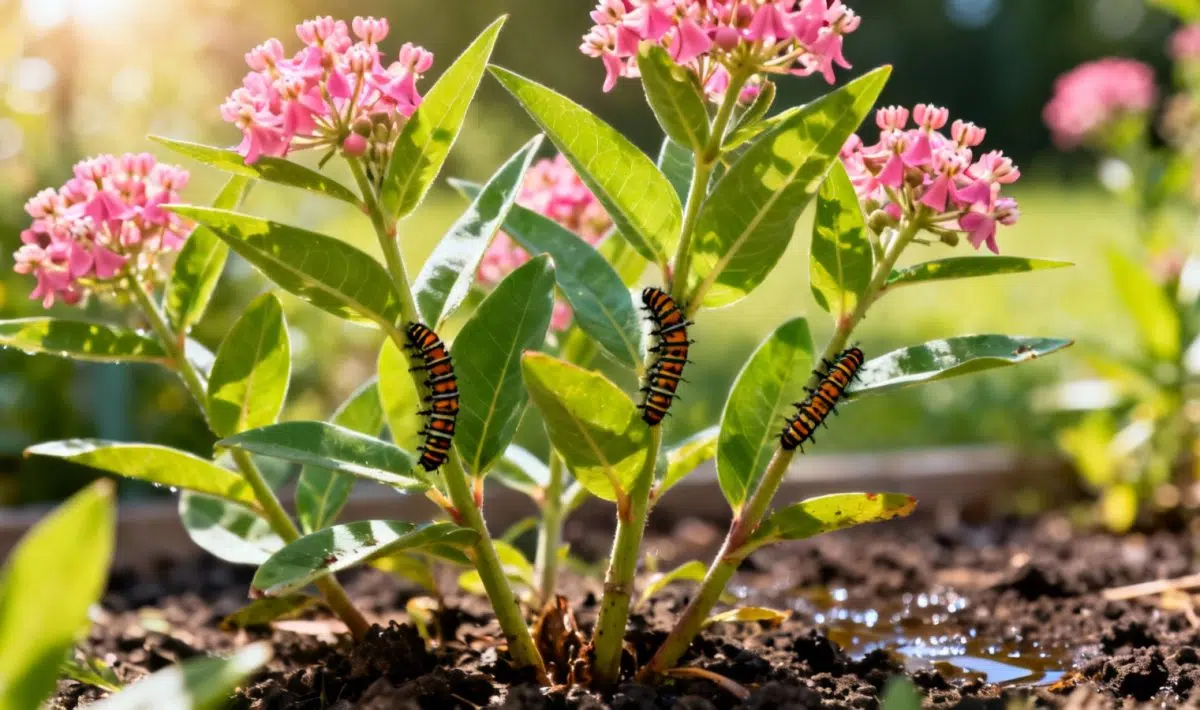
Monitor for monarch butterfly eggs and caterpillars on your plants as indicators of success. When your milkweed plants are thriving with proper watering, they become magnets for these amazing insects, completing the cycle that makes your butterfly garden a true habitat sanctuary.
Allan is a lifelong gardening enthusiast who still gets excited when the first seedlings pop up in spring. With a deep love for nature and a hands-in-the-soil approach, he shares practical tips, plant discoveries, and clever tricks picked up over years of digging, planting, and observing. Whether you’re a new gardener or have a shed full of tools, Allan writes like a neighbor who’s always happy to swap cuttings and stories over the fence.
You can find more about Allan’s work on Malt or connect with him on LinkedIn.