
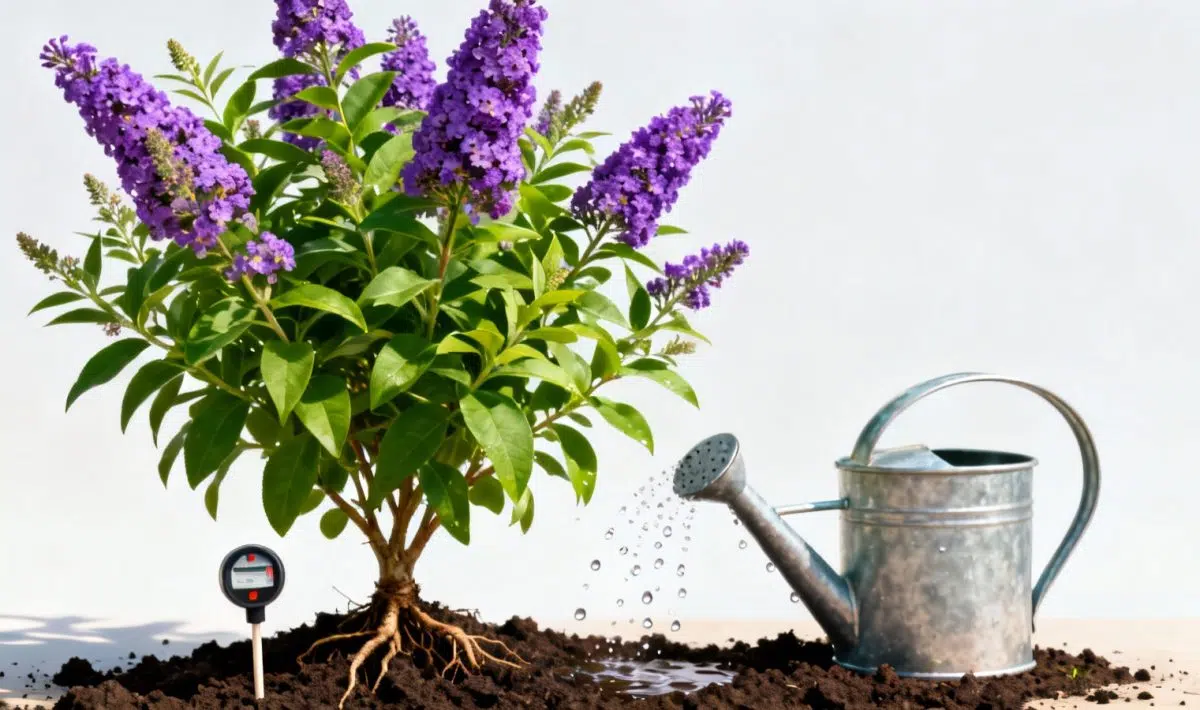
Understanding your butterfly bush watering needs
Butterfly bushes are absolutely fantastic for creating a garden that attracts these delicate creatures, but they need the right care to truly flourish. The key to success lies in understanding how often should you water your butterfly bush, which depends on several factors including the plant’s age, soil conditions, and season. These resilient plants are surprisingly adaptable, yet proper watering remains essential for their health and vibrant blooms.
When you first plant your buddleia, it’s going to need more attention than you might expect. The initial establishment period is crucial for developing a strong root system that will support the plant throughout its life. During this phase, consistent moisture helps the roots spread and establish themselves in their new environment.
Essential watering requirements for newly planted butterfly bushes
For the first few weeks after planting, your butterfly bush needs watering every 2-3 days to eliminate air pockets around the roots and encourage healthy growth. This frequent schedule helps the plant overcome transplant shock and begin establishing its root system. The soil should remain consistently moist but never waterlogged, as soggy conditions can lead to root rot.
During the first growing season, plan to water your butterfly bush once a week with approximately 10 liters of water. This deep watering approach encourages the roots to grow downward, creating a more drought-resistant plant. Just as different plants have varying needs, understanding watering needs for sycamore trees can help you develop a broader understanding of plant care in your garden.
Monitoring soil conditions effectively
Well-drained soil is absolutely essential for butterfly bushes, as they prefer conditions that maintain moisture without becoming waterlogged. Check the soil by inserting your finger about two inches deep – if it feels dry at this level, it’s time to water. The soil should feel like a wrung-out sponge, moist but not dripping wet.
Creating the right soil environment involves more than just watering frequency. Adding organic matter to your garden beds helps improve soil structure and water retention. This creates an ideal foundation for your plants while supporting the overall health of your garden ecosystem.
Seasonal watering adjustments for mature plants
Once your butterfly bush has been established for over a year, you can significantly reduce watering frequency. These mature plants develop extensive root systems that allow them to tolerate drought conditions much better than younger specimens. However, they still benefit from supplemental watering during particularly dry spells.
During hot summer months, water your established butterfly bush every two weeks if rainfall is insufficient. This schedule maintains plant health without encouraging shallow root growth. In spring and fall, natural precipitation usually provides adequate moisture, though you should monitor soil conditions regularly.
Recognizing when your plant needs water
Butterfly bushes will show clear signs when they need water, making it easier to maintain proper moisture levels. Wilting leaves, especially during morning hours, indicate water stress. The soil around the base should never crack or pull away from the plant, as this suggests severe drought conditions.
Pay attention to the overall appearance of your butterfly bush throughout the growing season. Healthy plants maintain vibrant foliage and produce abundant blooms that attract butterflies and other beneficial insects. Stressed plants may have yellowing leaves or reduced flowering, both indicators that watering adjustments are needed.
Effective watering techniques and methods
The method you choose for watering can significantly impact your butterfly bush’s health and growth. Deep, infrequent watering encourages strong root development and helps plants become more drought-tolerant over time. Shallow, frequent watering creates weak surface roots that are vulnerable to heat and drought stress.
Drip irrigation systems work exceptionally well for butterfly bushes, delivering water slowly and consistently to the root zone. This method reduces water waste and prevents moisture from sitting on leaves, which can lead to fungal diseases. Similar principles apply to many garden plants, and learning about watering your Chinese money plant can provide additional insights into efficient watering practices.
Manual watering best practices
When watering by hand, focus the water at the base of the plant rather than spraying the entire bush. This targeted approach ensures water reaches the root zone where it’s needed most. Water early in the morning to reduce evaporation and give plants time to absorb moisture before the heat of the day.
Use a soaker hose or watering wand with a gentle spray to avoid disturbing the soil around your butterfly bush. These tools help maintain even moisture distribution while preventing soil erosion. The goal is to saturate the soil slowly, allowing water to penetrate deeply rather than running off the surface.
Container growing considerations
Butterfly bushes grown in containers require more frequent watering than those planted in garden beds. Pots dry out much faster than ground soil, especially during warm weather. Check container plants daily during summer months, as they may need water every day or two depending on pot size and weather conditions.
Choose containers with drainage holes to prevent water from accumulating at the bottom. Even drought-tolerant plants like butterfly bushes can suffer from root rot if their roots sit in standing water. Understanding container watering principles can be applied to various plants, much like learning how to water watermelons effectively helps with overall gardening success.
Mulching for moisture retention
Applying a 2-3 inch layer of organic mulch around your butterfly bush helps retain soil moisture and reduce watering frequency. Good mulch options include shredded bark, compost, or leaf mold. Keep mulch a few inches away from the plant stem to prevent moisture-related diseases and pest problems.
Mulch also helps regulate soil temperature and suppresses weeds that compete with your butterfly bush for water and nutrients. As the organic material breaks down, it improves soil structure and adds valuable nutrients to support healthy growth. This creates a more sustainable garden environment that requires less maintenance over time.
Troubleshooting common watering issues
Overwatering is actually more dangerous to butterfly bushes than underwatering, as these plants are naturally drought-tolerant once established. Signs of overwatering include yellowing leaves, soft or mushy stems, and a general decline in plant vigor. If you notice these symptoms, reduce watering frequency immediately and improve soil drainage if necessary.
Underwatered butterfly bushes will show wilting, especially during the hottest part of the day. However, they should recover overnight if the stress isn’t severe. Consistent underwatering leads to reduced flowering and overall poor plant performance. Finding the right balance is crucial for maintaining healthy, productive plants that will attract butterflies to your garden.
Different plants in your garden may have varying water requirements, and understanding these differences helps create a more successful landscape. For instance, learning about optimal watering for oriental bittersweet can help you manage diverse plantings more effectively. The key is observing your plants regularly and adjusting care based on their individual needs and environmental conditions.

Allan is a lifelong gardening enthusiast who still gets excited when the first seedlings pop up in spring. With a deep love for nature and a hands-in-the-soil approach, he shares practical tips, plant discoveries, and clever tricks picked up over years of digging, planting, and observing. Whether you’re a new gardener or have a shed full of tools, Allan writes like a neighbor who’s always happy to swap cuttings and stories over the fence.
You can find more about Allan’s work on Malt or connect with him on LinkedIn.


