
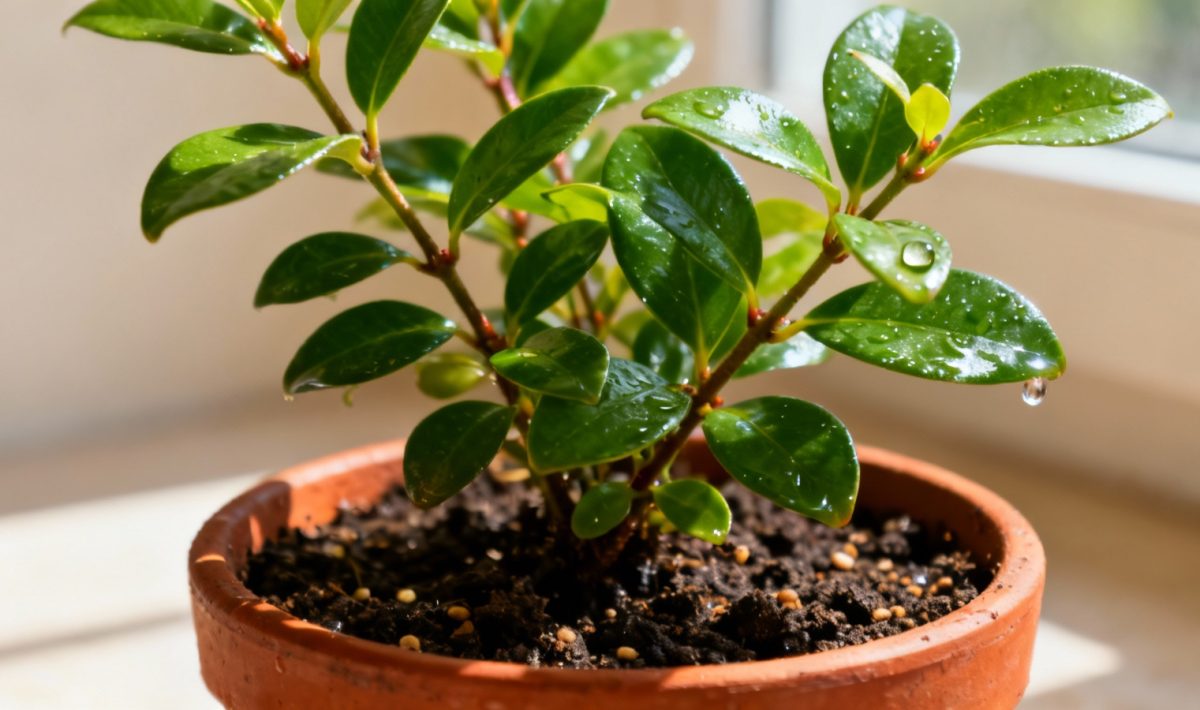
Understanding your Oriental bittersweet’s water needs
Oriental bittersweet (Celastrus orbiculatus) is a vigorous climbing plant that brings beautiful autumn color to your garden with its distinctive orange berries. However, understanding how often should you water your Oriental bittersweet is crucial for maintaining healthy growth throughout the seasons. This fast-growing vine has specific hydration requirements that differ from many other garden plants, making proper watering techniques essential for your plant’s success.
The key to successful Oriental bittersweet care lies in providing consistent moisture without creating waterlogged conditions. Like many climbing plants, this species thrives with regular deep watering sessions rather than frequent shallow applications. Your watering schedule should adapt to seasonal changes, soil conditions, and local climate patterns to ensure optimal growth.
Optimal watering frequency for Oriental bittersweet
For established Oriental bittersweet plants, deep watering 1 to 2 times per week typically provides the best results. This frequency allows the soil to maintain adequate moisture while preventing root rot that can occur with excessive watering. The exact timing depends on several factors including soil type, weather conditions, and the plant’s maturity level.
During active growing seasons, your Oriental bittersweet will need more frequent attention than during dormant periods. Spring and early summer represent peak growing times when the plant develops new shoots and prepares for autumn berry production. Similarly, when caring for other climbing plants, you might find that caring for your Chinese money plant requires different watering considerations due to its unique growth patterns.
Seasonal watering adjustments
Spring watering should begin gradually as new growth emerges from winter dormancy. Start with weekly deep watering sessions, monitoring soil moisture levels to ensure you’re not overwatering during this critical establishment period. The soil should feel moist but not soggy at a depth of 2-3 inches.
Summer months typically require the most frequent watering, especially during hot, dry spells. Your Oriental bittersweet may need water twice weekly during peak summer heat. However, avoid daily light watering which encourages shallow root development and makes the plant more susceptible to drought stress.
Fall watering gradually decreases as temperatures cool and the plant begins preparing for dormancy. Continue monitoring soil moisture, but reduce frequency to once weekly or less, depending on natural rainfall. Winter watering should be minimal, only providing moisture during extended dry periods.
Signs your plant needs water
Learning to recognize when your Oriental bittersweet needs water helps you develop an intuitive understanding of its requirements. Visual cues include slightly wilted leaves during the warmest part of the day, particularly on newer growth. The soil surface should appear dry, but moisture should still be present 2-3 inches below the surface.
However, avoid waiting until the plant shows severe stress signs like completely wilted foliage or dropping leaves. These symptoms indicate the plant has been without adequate water for too long and may require time to recover fully. Just as with other garden plants requiring careful attention, understanding when optimal watering for watermelon growth is needed can help you develop better overall plant care instincts.
Soil moisture testing methods
The most reliable way to determine watering needs involves checking soil moisture at root level. Insert your finger or a wooden dowel 3-4 inches into the soil near the plant base. If the soil feels dry at this depth, it’s time to water your Oriental bittersweet thoroughly.
For more precise monitoring, consider using a soil moisture meter, especially if you’re caring for multiple plants with different watering requirements. These tools provide consistent readings and help prevent both under and overwatering throughout the growing season.
Proper watering techniques
When watering your Oriental bittersweet, focus on applying water slowly and deeply rather than quick surface applications. Use a soaker hose, drip irrigation, or water slowly with a regular hose to ensure moisture penetrates to the root zone without running off the surface.
Apply water directly to the soil around the plant base rather than overhead watering, which can promote fungal diseases and wastes water through evaporation. A 2-3 inch layer of organic mulch around the plant helps retain soil moisture and reduces watering frequency needs.
For container-grown Oriental bittersweet, drainage becomes even more critical. Ensure pots have adequate drainage holes and use well-draining potting mix to prevent water from accumulating around roots. Container plants typically need more frequent watering than ground-planted specimens.
Environmental factors affecting water needs
Soil type significantly influences how often you should water your Oriental bittersweet. Sandy soils drain quickly and may require more frequent watering, while clay soils retain moisture longer but can become waterlogged if overwatered. Loamy soils provide the ideal balance for most climbing plants.
Climate conditions also play a major role in determining watering schedules. Hot, windy conditions increase water loss through evaporation and transpiration, requiring more frequent watering. Humid conditions may reduce watering needs, while air conditioning and heating can create drier indoor environments for container plants.
Understanding these environmental factors helps you adapt your care routine, much like how different trees require specific attention. For instance, watering your sycamore tree effectively involves considering similar environmental variables to ensure optimal growth.
Managing water during extreme weather
During drought conditions, increase watering frequency while applying water more slowly to ensure deep penetration. Consider collecting rainwater during wet periods for use during dry spells. This practice conserves water while providing your plant with naturally soft water free from chlorine and other chemicals.
Extreme heat waves may require temporary shade protection and increased watering frequency. Similarly, during extended rainy periods, ensure adequate drainage to prevent root rot and consider reducing or eliminating supplemental watering until conditions normalize.
Common watering mistakes to avoid
Overwatering represents one of the most common mistakes in Oriental bittersweet care. This vigorous plant can tolerate brief dry periods better than constantly soggy conditions. Signs of overwatering include yellowing leaves, soft stems, and a musty smell from the soil.
Inconsistent watering patterns can stress your plant and reduce its overall health. Rather than daily light sprinklings, establish a regular schedule of deep watering sessions that thoroughly saturate the root zone. This approach encourages deep root development and improves drought tolerance.
Many gardeners make the mistake of watering during the hottest part of the day, which leads to rapid evaporation and potential leaf burn. Early morning watering provides the best results, allowing plants to absorb moisture before heat peaks while giving foliage time to dry before evening.
Fertilization and watering coordination
Coordinate your fertilization schedule with watering to maximize nutrient uptake. Apply fertilizer just before a scheduled watering session to help distribute nutrients throughout the root zone. Avoid fertilizing dry plants, as this can burn roots and reduce nutrient absorption.
During active growing seasons, your Oriental bittersweet benefits from monthly feeding with balanced fertilizer. Water thoroughly after fertilizing to prevent salt buildup and ensure nutrients reach the root system effectively. This approach works well for many garden plants, including when you’re managing healthy growth of your mango tree or other fruit-producing plants.
Organic soil amendments
Incorporating organic matter like compost or aged manure improves soil water retention while providing slow-release nutrients. These amendments help maintain consistent moisture levels and reduce watering frequency requirements over time.
Consider adding perlite or coarse sand to heavy clay soils to improve drainage, while mixing compost into sandy soils helps retain moisture longer between watering sessions.
Long-term care strategies
Establishing proper watering habits during your Oriental bittersweet’s first growing season sets the foundation for long-term success. Young plants need more frequent monitoring until their root systems develop fully and they become more drought tolerant.
As your plant matures, you can gradually reduce watering frequency while increasing the amount applied during each session. Mature Oriental bittersweet plants typically need less frequent attention than younger specimens, making them excellent low-maintenance additions to established gardens.
Regular monitoring helps you adjust your care routine as conditions change. Keep notes about watering frequency, weather patterns, and plant response to develop a personalized schedule that works best for your specific growing conditions. This systematic approach benefits all your garden plants, whether you’re learning about best practices for pin oak watering or maintaining flowering plants like those requiring watering your Japanese camellia for blooms.
With proper watering techniques and consistent care, your Oriental bittersweet will reward you with vigorous growth, beautiful autumn color, and attractive berries that persist well into winter. Remember that each plant develops its own rhythm, and patience during the learning process leads to the most successful long-term results.

Allan is a lifelong gardening enthusiast who still gets excited when the first seedlings pop up in spring. With a deep love for nature and a hands-in-the-soil approach, he shares practical tips, plant discoveries, and clever tricks picked up over years of digging, planting, and observing. Whether you’re a new gardener or have a shed full of tools, Allan writes like a neighbor who’s always happy to swap cuttings and stories over the fence.
You can find more about Allan’s work on Malt or connect with him on LinkedIn.


