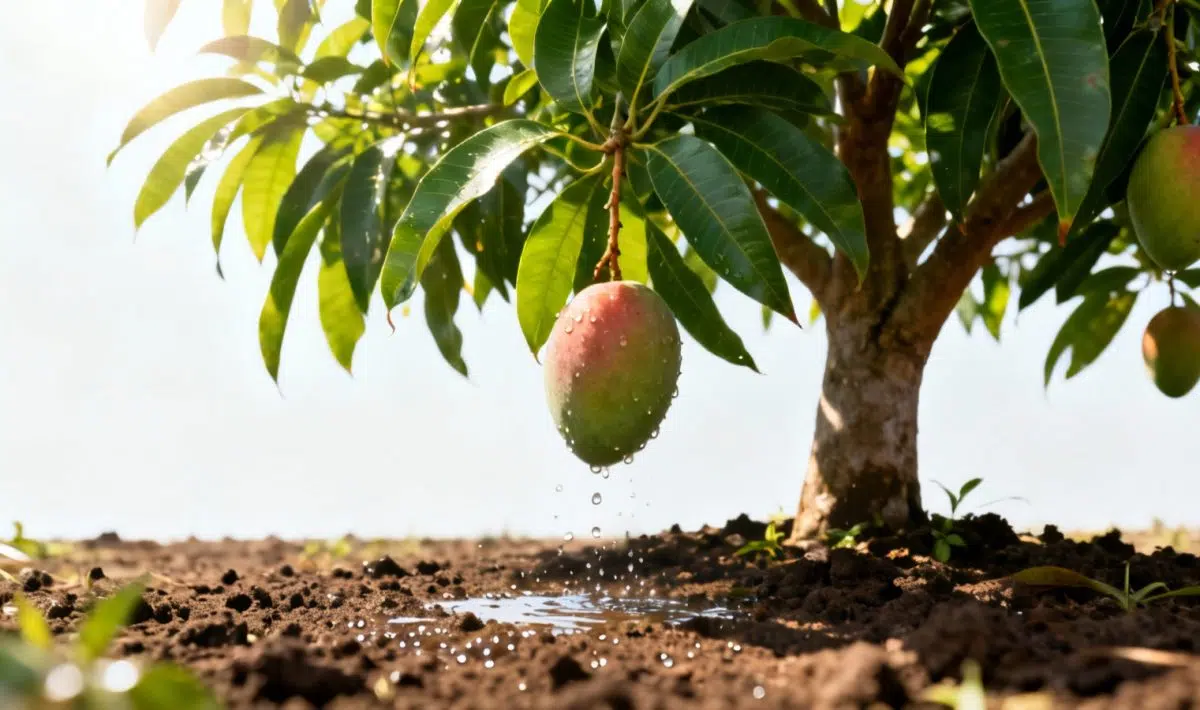
How often should you water your mango tree for healthy growth
Growing a mango tree can be incredibly rewarding, but getting the watering schedule right is absolutely crucial for success. Whether you’re nurturing a young sapling or caring for an established tree, understanding how often should you water your mango tree will make the difference between thriving growth and disappointing results.
Mango trees are surprisingly adaptable when it comes to water requirements, but they do have specific preferences. These tropical beauties prefer consistent moisture without waterlogged conditions. The key is finding that sweet spot where the soil stays adequately hydrated while allowing proper drainage.
Different varieties of mango trees may have slightly varying water needs, though most follow similar patterns. Young trees require more frequent attention, while mature specimens can handle longer periods between waterings. Climate plays a huge role too – trees in hot, dry areas will obviously need more water than those in humid environments.
Your soil type significantly impacts watering frequency as well. Sandy soils drain quickly and may require more frequent watering, while clay soils retain moisture longer but can become waterlogged easily. Understanding these factors helps you develop the perfect watering routine for your specific situation.
Seasonal watering schedules that work
During spring and summer growing seasons, your mango tree will be most thirsty. This is when active growth occurs, and fruit development demands consistent moisture. Generally, you’ll want to water deeply once or twice per week during these warmer months, depending on rainfall and temperature.
Fall brings cooler temperatures and typically more rainfall in many regions. You can usually reduce watering frequency to once per week or even less if natural precipitation is adequate. The tree’s metabolism slows down, requiring less water overall.
Winter presents the lowest water requirements for most mango trees. In cooler climates, you might only need to water once every two weeks or even monthly, depending on your local conditions. However, container-grown trees may still need weekly attention since pots dry out faster than ground soil.
Just like different trees have varying needs, you’ll find that watering frequency for sycamore trees differs significantly from mango requirements due to their distinct growing habits.
Testing soil moisture effectively
The finger test remains one of the most reliable methods for checking soil moisture. Simply insert your finger about two inches deep into the soil around your mango tree. If it feels dry at this depth, it’s time to water. If it’s still moist, wait another day or two before checking again.
Visual cues can also guide your watering decisions. Dry soil often appears lighter in color and may pull away slightly from the tree trunk. Overly wet soil will appear dark and may have a musty smell or visible mold growth on the surface.
A moisture meter provides more precise readings if you prefer a technical approach. These inexpensive tools give you accurate moisture levels at various depths, helping you make informed watering decisions. Many experienced gardeners swear by this method for consistent results.
Age-specific watering guidelines
Newly planted mango trees need daily watering for the first two weeks to help establish their root systems. Keep the soil consistently moist but not soggy during this critical period. After establishment, you can gradually reduce frequency to every 2-3 days.
Young trees between one and three years old typically thrive with weekly deep watering sessions. Apply water slowly and thoroughly, allowing it to penetrate deeply rather than running off the surface. This encourages strong root development and drought tolerance.
Mature mango trees (over four years old) can often survive on natural rainfall alone in many climates. However, supplemental watering during dry spells or fruit development periods will improve overall health and fruit quality. Deep, infrequent watering works best for established trees.
Container-grown trees require more frequent attention regardless of age. The limited soil volume in pots dries out much faster than ground plantings. Check container trees every few days and water when the top inch of soil feels dry.
Proper watering techniques
Deep watering encourages strong root development and helps trees become more drought-tolerant over time. Apply water slowly at the base of the tree, allowing it to soak in rather than running off. A soaker hose or drip irrigation system works wonderfully for this purpose.
Water early morning or late evening to minimize evaporation losses. Avoid watering during the hottest part of the day, as this wastes water and can actually stress the tree. Early morning watering gives the tree time to absorb moisture before the day heats up.
Apply water in a wide circle around the tree rather than just at the trunk. Mango tree roots extend well beyond the canopy line, so spreading water over a broader area ensures better root coverage. This technique also prevents root rot that can occur from concentrated moisture at the trunk.
For those growing other fruit trees, you might find that optimal watering for olive trees requires different timing and amounts compared to mangoes.
Signs of watering problems
Overwatering symptoms include yellowing leaves, soft or mushy roots, and fungal growth around the base. If you notice these signs, immediately reduce watering frequency and improve drainage around the tree. Overwatered trees are more susceptible to root rot and other diseases.
Underwatering manifests as wilting leaves, brown leaf edges, and premature fruit drop. The soil will be consistently dry, and the tree may appear stressed even during cooler parts of the day. Increase watering frequency gradually rather than flooding the stressed tree all at once.
Leaf color changes can indicate watering issues too. Pale or yellow leaves often suggest overwatering, while brown, crispy edges typically mean underwatering. However, other factors like nutrient deficiencies can cause similar symptoms, so consider the overall growing conditions.
Creating the ideal growing environment
Good drainage is absolutely essential for mango tree health. If your soil doesn’t drain well naturally, consider planting on a slight mound or adding organic matter to improve soil structure. Standing water around mango roots will quickly lead to serious problems.
Mulching around your mango tree helps retain soil moisture while suppressing weeds. Apply a 2-3 inch layer of organic mulch in a circle around the tree, keeping it a few inches away from the trunk. This reduces watering frequency and protects roots from temperature extremes.
If you’re caring for indoor plants alongside your mango tree, remember that watering tips for dwarf umbrella trees involve completely different considerations due to their indoor environment and smaller root systems.
Maximizing fruit production through proper hydration
Consistent moisture during flowering and fruit development stages is crucial for good mango production. Water stress during these periods can cause flower drop and poor fruit set. Maintain steady soil moisture from bloom time through harvest for best results.
However, some growers intentionally reduce watering slightly before flowering to encourage bloom development. This technique requires careful monitoring and isn’t recommended for beginners. Stick with consistent moisture levels until you gain more experience with your specific tree and climate.
Quality fruit requires adequate water throughout development. Insufficient moisture can result in small, poor-quality mangoes that may crack or drop prematurely. Regular, deep watering during fruit development ensures plump, juicy mangoes at harvest time.
Even houseplant enthusiasts can benefit from understanding tree watering principles, as proper care for Chinese money plants shares some similarities in terms of avoiding both overwatering and underwatering.
Seasonal adjustments and long-term success
Successful mango growing requires adapting your watering schedule as conditions change throughout the year. Keep a simple garden journal to track when you water and how your tree responds. This helps you develop the perfect routine for your specific location and tree.
Pay attention to weather patterns and adjust accordingly. Extended dry spells may require more frequent watering, while rainy periods allow you to skip scheduled waterings. Flexibility and observation are key to long-term success with mango trees.
Remember that established trees become increasingly drought-tolerant over time. What started as weekly watering for a young tree may eventually become monthly supplemental irrigation for a mature specimen. This natural progression rewards patient gardeners with lower maintenance requirements as trees mature.
Allan is a lifelong gardening enthusiast who still gets excited when the first seedlings pop up in spring. With a deep love for nature and a hands-in-the-soil approach, he shares practical tips, plant discoveries, and clever tricks picked up over years of digging, planting, and observing. Whether you’re a new gardener or have a shed full of tools, Allan writes like a neighbor who’s always happy to swap cuttings and stories over the fence.
You can find more about Allan’s work on Malt or connect with him on LinkedIn.