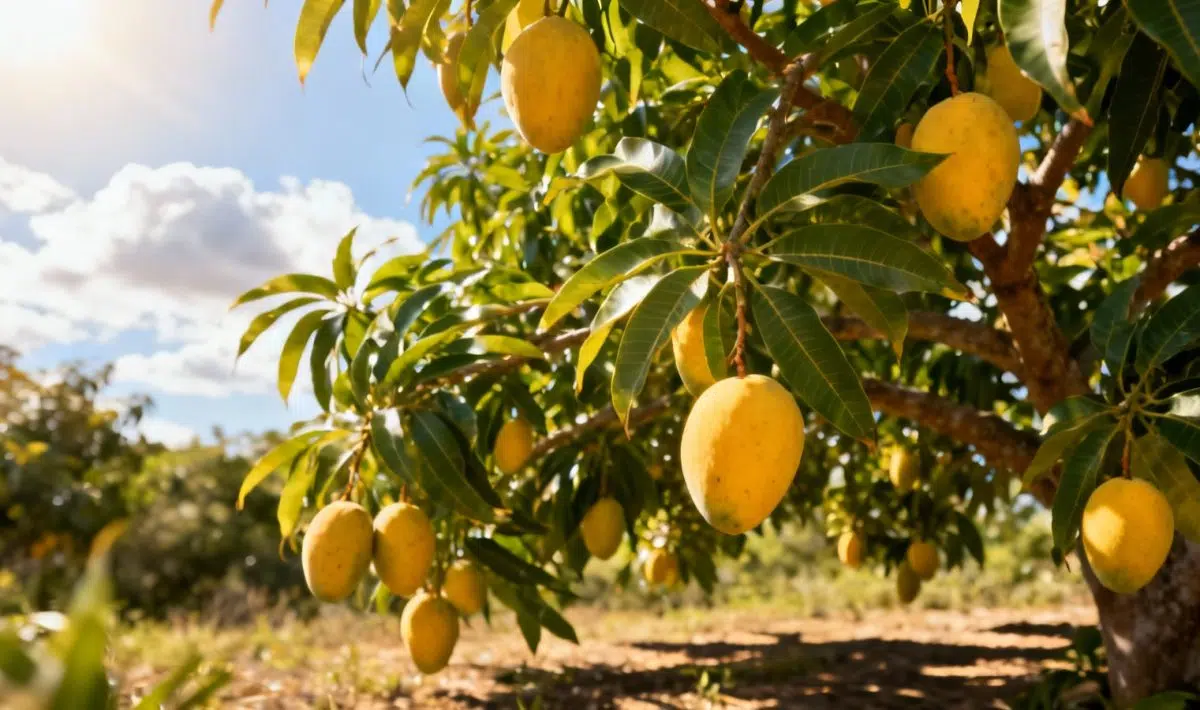
How much sunlight does mango tree need for optimal growth and fruit production
Understanding how much sunlight does mango tree need is crucial for anyone looking to grow these tropical beauties successfully. Whether you’re planning to plant a full-sized mango tree in your garden or considering a dwarf variety for container growing, proper sun exposure makes all the difference between a thriving tree and a struggling one.
Mango trees are sun-loving tropical plants that have evolved in bright, warm climates. Like many other plants that require specific lighting conditions, such as how we consider sunlight requirements for angel’s-wings, mangoes have particular needs that must be met for optimal health and fruit production.
Mango trees require a minimum of 6 hours of direct sunlight daily for proper growth and fruiting. This isn’t a suggestion – it’s absolutely essential for healthy development. Full sun exposure ensures the tree can photosynthesize efficiently, producing the energy needed for robust growth and abundant fruit production.
In non-tropical regions, providing even more than 6 hours of direct sun becomes increasingly important. The intensity and quality of sunlight in temperate climates differs significantly from tropical zones, making maximum sun exposure critical for success. Trees grown with adequate sunlight will develop strong branches, vibrant foliage, and most importantly, the ability to flower and fruit reliably.
When mango trees receive insufficient light, they exhibit several telltale signs. Growth becomes slower and more elongated as the tree stretches toward available light sources. Fruiting diminishes dramatically, and what fruit does develop often lacks the sweetness and size that well-exposed trees produce.
Comparing dwarf and standard mango varieties
Dwarf mango trees share the same basic sunlight requirements as their full-sized counterparts, needing that crucial 6-hour minimum of direct sun. However, their compact size offers distinct advantages for container growing and smaller spaces. These smaller varieties can be more easily positioned to capture optimal sunlight throughout the day.
Standard mango trees, which can reach impressive heights of 30 feet or more, need consistent full sun exposure across their entire canopy. This becomes particularly challenging in smaller gardens where buildings or other trees might create shade. Dwarf varieties, typically staying under 10 feet tall, are much easier to accommodate in sunny locations.
The beauty of dwarf mango trees lies in their adaptability. You can move container-grown dwarf trees to follow the sun seasonally, ensuring they receive maximum light exposure year-round. This flexibility proves invaluable in climates with varying seasonal light patterns.
Container growing and sunlight optimization
Growing mango trees in containers opens up exciting possibilities for sunlight management. Container cultivation allows you to position your tree in the sunniest spot available, whether that’s a south-facing patio, deck, or even moving it seasonally to capture changing light patterns.
When selecting containers for mango growing, choose large pots that won’t restrict root growth while remaining manageable enough to reposition as needed. A container-grown mango tree can be wheeled or moved to optimize sun exposure throughout the growing season, something impossible with trees planted in the ground.
Just as gardeners consider specific needs for various plants – similar to understanding optimal sunlight for growing radishes – mango container growing requires attention to daily light patterns and seasonal changes. Winter positioning becomes particularly important in temperate climates where sun angles change dramatically.
Maximizing light exposure for better fruiting
Proper pruning plays a crucial role in ensuring all parts of your mango tree receive adequate sunlight. Remove crossing branches, water sprouts, and any growth that creates dense interior shading. This opens up the canopy, allowing light to penetrate throughout the tree structure.
Strategic placement of reflective surfaces near your mango tree can increase available light, particularly beneficial for container-grown specimens. White walls, light-colored paving, or even purpose-built reflectors can bounce additional light onto lower branches and the trunk area.
For those growing mangoes in less-than-ideal locations, consider the microclimate around your tree. Heat-absorbing surfaces like concrete or stone can create warmer conditions that complement strong sunlight exposure, mimicking the natural tropical environment mangoes prefer.
Understanding seasonal light variations
Seasonal changes significantly impact sunlight availability for mango trees, especially in temperate regions. Winter months bring shorter days and lower sun angles, potentially reducing the effective light exposure your tree receives even in previously sunny locations.
Many successful mango growers track the sun’s path around their growing area throughout the year. This helps identify potential problem periods and allows for proactive solutions, such as relocating container trees or installing supplemental lighting during critical growth phases.
Understanding these patterns becomes particularly important when selecting permanent planting locations. What appears to be full sun in summer might become partially shaded in winter due to changing sun angles and the shadows cast by buildings or neighboring trees.
Signs of inadequate sunlight and solutions
Recognizing the symptoms of insufficient sunlight helps you address problems before they severely impact your tree’s health. Pale, yellowish foliage often indicates inadequate light, as does excessive stretching of branches with wide gaps between leaves.
Poor flowering represents another clear indicator of insufficient sun exposure. Mango trees need intense sunlight to trigger proper flower development and subsequent fruit set. Trees receiving marginal light may produce flowers that fail to develop into fruit, or produce very few flowers altogether.
Much like other plants with specific growing requirements – consider how understanding sunlight needs of selloum plants helps optimize their growth – addressing mango sunlight deficiencies requires systematic evaluation and adjustment of growing conditions.
While sunlight remains the primary factor for healthy mango growth, combining proper light exposure with other ideal conditions maximizes your success. Well-draining soil prevents root problems that can limit the tree’s ability to utilize available sunlight effectively.
Adequate watering complements strong sun exposure, as trees receiving intense sunlight require consistent moisture to prevent stress. However, avoid overwatering, which can lead to root issues that compromise the tree’s overall health and vigor.
Temperature considerations work hand-in-hand with sunlight requirements. Mango trees thrive in warm conditions, and adequate sunlight helps maintain the warmth these tropical trees need for optimal growth and fruit development.
Long-term planning for mango cultivation
Successful mango growing requires thinking ahead about changing conditions over time. Young trees may tolerate partial shade initially but will need progressively more sun as they mature and begin fruiting phases. Planning for these changing needs prevents future problems.
Consider the mature size of your chosen variety when selecting growing locations. A spot that provides adequate sun for a young tree might become inadequate as the tree grows and nearby structures or plantings create additional shade.
For container growers, investing in wheeled plant caddies or other moving systems early makes repositioning mature trees much easier. Even dwarf varieties become heavy when mature, and having mobility options ensures you can continue optimizing sun exposure as conditions change.
The growing requirements can vary significantly between different plant species – just as we see differences in understanding Jimsonweed sunlight growth conditions – but mango trees consistently demand that minimum 6-hour daily sun exposure for reliable fruiting and healthy growth. Whether you choose dwarf varieties for containers or standard trees for larger spaces, prioritizing full sun placement sets the foundation for years of successful mango cultivation and delicious homegrown fruit.
Allan is a lifelong gardening enthusiast who still gets excited when the first seedlings pop up in spring. With a deep love for nature and a hands-in-the-soil approach, he shares practical tips, plant discoveries, and clever tricks picked up over years of digging, planting, and observing. Whether you’re a new gardener or have a shed full of tools, Allan writes like a neighbor who’s always happy to swap cuttings and stories over the fence.
You can find more about Allan’s work on Malt or connect with him on LinkedIn.