
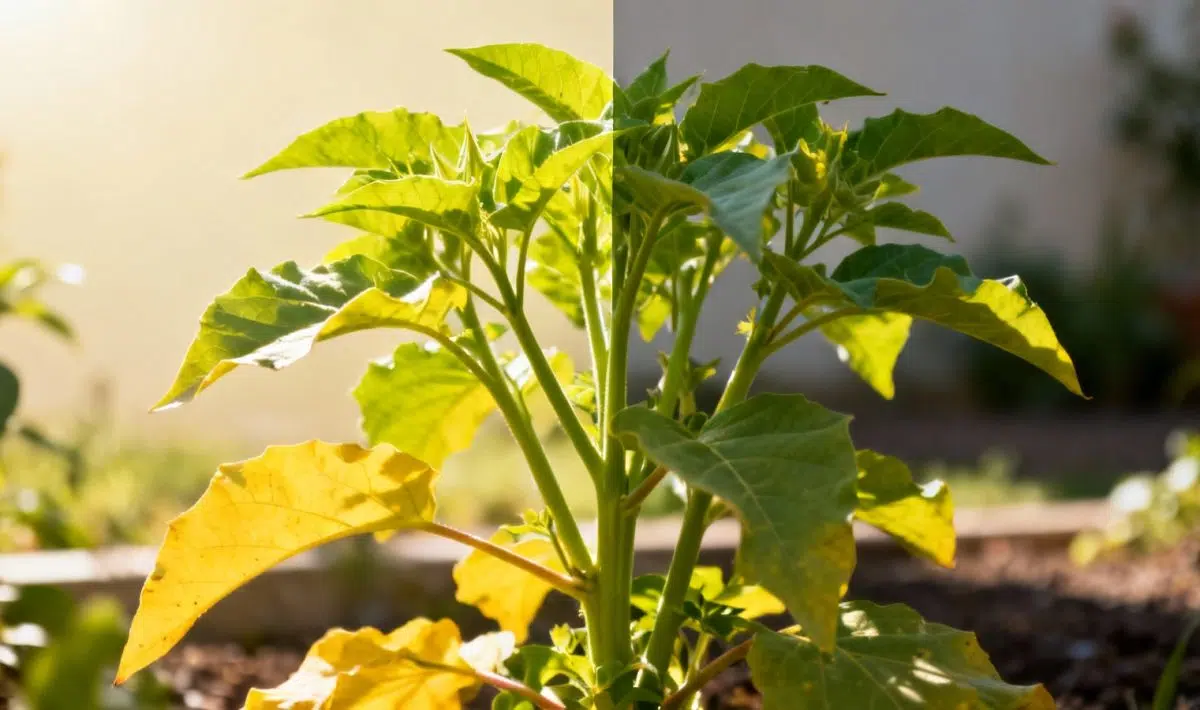
When you’re planning to grow Jimsonweed (Datura stramonium) in your garden, understanding its sunlight requirements is absolutely essential for success. This fascinating plant, also known as devil’s trumpet, has specific needs that differ from many common garden plants. Let’s explore exactly how much sunlight does Jimsonweed need and what conditions will help it thrive.
Understanding Jimsonweed’s basic requirements
Jimsonweed belongs to the nightshade family and naturally grows in open fields, disturbed soils, and agricultural areas. This gives us valuable clues about its preferred growing conditions. The plant has evolved to compete with crops and other vegetation, which means it’s quite adaptable to various light conditions.
In its native habitat, you’ll find this white-flowered beauty growing alongside crops like corn and soybeans. The seeds from reputable sellers often come with basic growing instructions, but understanding the nuances of light requirements can make the difference between mediocre and exceptional growth.
What makes Jimsonweed particularly interesting is its ability to adjust its growth pattern based on available light. This adaptability has made it both a fascinating garden plant and, unfortunately, a persistent agricultural weed in many regions.
Optimal sunlight exposure for healthy growth
For vigorous development, Jimsonweed needs approximately 6 to 8 hours of direct sunlight daily. This places it firmly in the “full sun” category, similar to many vegetables and annual flowers. However, the quality and timing of this sunlight can significantly impact the plant’s performance.
Morning sunlight is particularly beneficial during hot summer months. The intense but less scorching morning rays provide the energy the plant needs without the stress of harsh afternoon heat. Just as sunlight requirements for rutabaga plants vary with seasons, Jimsonweed also benefits from strategic positioning in your garden.
When selecting a location in your garden, choose spots that receive consistent morning light. Southern or eastern exposures typically work well, providing the steady illumination this plant craves for optimal photosynthesis and flower production.
How shade affects Jimsonweed development
Interestingly, Jimsonweed shows remarkable adaptability to partial shade conditions. Research on this plant reveals that light shade of about 25% can actually stimulate certain aspects of growth, particularly stem elongation. This adaptation helps the plant compete for light in mixed plantings.
However, heavy shade of 75% or more significantly reduces the plant’s vigor and competitive ability. Under these conditions, you’ll notice reduced flowering, slower growth, and weaker overall plant structure. The communication between light availability and plant response is quite sophisticated in Datura species.
This shade tolerance makes Jimsonweed somewhat forgiving if your garden doesn’t offer perfect full-sun conditions. Unlike plants such as optimal sunlight for growing oregano that require very specific light conditions, Jimsonweed can adapt to less-than-ideal situations.
Practical growing considerations
When planning your garden layout, consider how Jimsonweed’s light requirements fit with your other plants. The good news is that this plant’s flexibility allows for creative garden design. You can use it in transitional areas between full-sun and partial-shade sections of your landscape.
Soil quality and drainage work hand-in-hand with sunlight to determine plant success. Well-draining soil in a sunny location provides the ideal foundation. Poor drainage combined with insufficient light creates stress conditions that can lead to plant failure or increased susceptibility to diseases.
The items you’ll need for successful cultivation include quality seeds, appropriate soil amendments, and a suitable location. Many acheteurs find that purchasing seeds from established sellers with positive évaluations ensures better germination rates and plant vigor.
Seasonal light management
Throughout the growing season, Jimsonweed’s light needs remain fairly consistent. However, young plants benefit from some protection during their initial establishment period. Very hot afternoon sun can stress seedlings before they develop sufficient root systems.
As plants mature, they become more tolerant of intense sunlight. The white flowers that appear later in the season actually open in the evening and close during the day, providing an interesting contrast to plants like sunlight needs of pineapple plants that follow more traditional photosynthetic patterns.
During hot summer periods, ensuring adequate water availability becomes crucial when plants are growing in full sun. The combination of intense light and heat increases water demand significantly.
Comparing light needs with other plants
Understanding how Jimsonweed’s requirements compare to other garden plants helps with planning and companion planting. While it needs substantial sunlight, it’s more flexible than many fruit trees, such as those requiring ideal sunlight for sweet cherry growth conditions.
This flexibility makes Jimsonweed an excellent choice for gardeners who want to experiment with unique plants without committing to extremely specific growing conditions. The plant’s natural adaptability has made it successful across diverse climates and growing conditions worldwide.
Maximizing growth potential
To get the very best from your Jimsonweed plants, position them where they receive morning sun and some afternoon protection during the hottest part of the day. This strategy provides optimal light while reducing heat stress.
Regular monitoring of plant response helps you adjust care as needed. Healthy plants will show vigorous leaf growth, strong stems, and abundant flower production when light conditions are appropriate.
Remember that while Jimsonweed is relatively easy to grow, all parts of the plant contain toxic compounds. Always handle with care and consider placement carefully, especially in gardens where children or pets are present. This beautiful plant deserves respect for both its ornamental value and its potent properties.

Allan is a lifelong gardening enthusiast who still gets excited when the first seedlings pop up in spring. With a deep love for nature and a hands-in-the-soil approach, he shares practical tips, plant discoveries, and clever tricks picked up over years of digging, planting, and observing. Whether you’re a new gardener or have a shed full of tools, Allan writes like a neighbor who’s always happy to swap cuttings and stories over the fence.
You can find more about Allan’s work on Malt or connect with him on LinkedIn.


