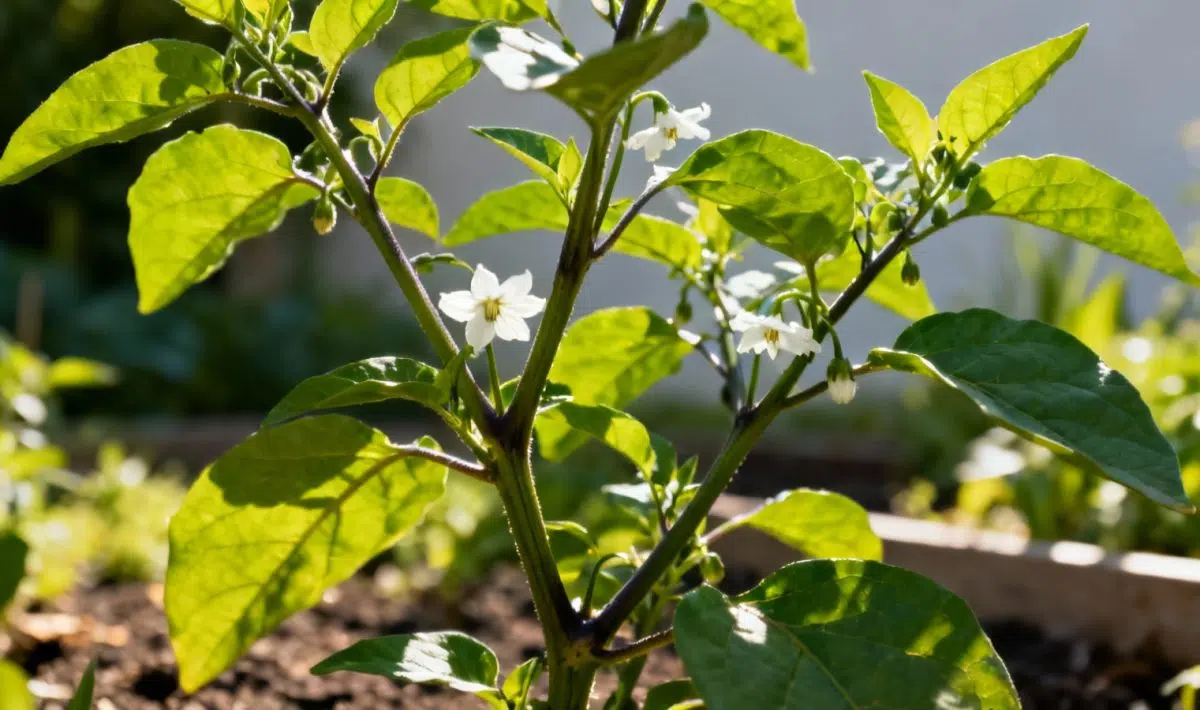
How much sunlight does black nightshade need for healthy garden growth
Growing black nightshade (Solanum nigrum) in your garden can be quite rewarding when you understand its basic sunlight needs. This fascinating plant, often considered a humble garden herb, requires specific lighting conditions to thrive and produce healthy foliage throughout the growing season.
Understanding black nightshade sunlight requirements
Black nightshade plants need approximately 6 to 8 hours of direct sunlight daily for optimal growth. These hardy annuelle plants prefer full sun exposure, particularly during morning hours when the light is most beneficial for photosynthesis. However, they can tolerate partial shade if necessary, though this may reduce their overall vigor and productivity.
The plant becomes significantly less competitive when grown in heavily shaded areas. Research shows that when light levels drop to 60% of full sun, growth decreases by approximately 48%. Even more dramatic reductions occur with further shade – at 80% shade reduction, growth drops by 83%, making adequate sunlight absolutely crucial for healthy development.
Seasonal considerations for morelle cultivation
During printemps and early summer, black nightshade seeds germinate best when soil temperatures reach 25-30°C. The plant’s growth pattern follows seasonal light availability, with peak development occurring during longer daylight hours. Much like other members of the Solanum family, these plants respond positively to consistent daily light exposure.
For comparison with similar garden plants, you might find it helpful to understand sunlight requirements for lemon trees which share some cultivation similarities. Understanding various plant needs helps create better garden planning strategies.
Optimal growing conditions beyond sunlight
While sunlight remains the primary factor, black nightshade also requires well-drained soil and moderate water levels. The plant grows best in fertile, moist soil that doesn’t become waterlogged. Regular entretien includes monitoring soil moisture and ensuring proper drainage to prevent root problems.
Temperature plays an equally important role in plant development. These plants thrive in temperatures between 20-35°C, with tolerance extending from 15-40°C. The best germination occurs when soil maintains consistent warmth, which works hand-in-hand with adequate sunlight exposure.
Choosing the right garden location
When selecting where to plant your graines, consider areas that receive morning sunlight first. Eastern or southern exposures typically provide the most consistent light throughout the day. Avoid zones where larger plants or structures create prolonged shadows, as this can significantly impact growth rates.
Protection from strong winds while maintaining sunlight access creates ideal growing conditions. Much like catnip’s sunlight needs for growth, black nightshade benefits from sheltered but bright locations that provide stability during development.
Soil preparation and planting tips
Prepare your garden soil by ensuring good drainage and organic matter content. Black nightshade adapts to various soil types but performs best in rich, well-composted earth. Plant seeds at shallow depths, typically 1-2 cm deep, allowing them to access light quickly during germination.
Spacing between plants should allow for air circulation while maximizing light penetration to lower leaves. This becomes particularly important as the feuillage develops and plants reach their mature taille.
Maximizing light exposure for healthy growth
Regular pruning of surrounding vegetation helps maintain optimal light levels throughout the growing saison. Remove any competing weeds that might shade your nightshade plants, especially during their early establishment period.
Consider the growth patterns of nearby plants when planning your garden layout. Understanding how different species compete for light, similar to cape jasmine sunlight requirements explained, helps create more successful growing arrangements.
Monitoring plant health and light adequacy
Watch for signs that your plants may need more sunlight. Stretched, leggy growth often indicates insufficient light, while pale or yellowing lower leaves can signal inadequate photosynthesis. Healthy plants should maintain compact growth with vibrant green coloration.
If you notice reduced flowering or poor fruit development, consider whether light levels meet the plant’s needs. Adjusting nearby plantings or relocating containers can often solve these issues effectively.
Comparing with other garden plants
Black nightshade shares similar light requirements with many other common garden herbs and vegetables. Like optimal sunlight for common purslane, these plants have adapted to take advantage of full sun conditions while maintaining some shade tolerance.
Tree companions in your garden should be chosen carefully. For instance, understanding Pin oak sunlight needs for health helps determine whether larger plants might eventually shade your nightshade beds as they mature.
Seed quality and growing success
When purchasing seeds for your garden, look for reputable sources that provide fresh, viable graines. Quality seeds germinate more reliably under proper light and temperature conditions. Many jardiniers find that organic, non-OGM varieties often perform better in home garden settings.
Price considerations vary depending on seed type and vendor, but investing in quality seeds typically results in better plant establishment and higher success rates. Customer reviews can provide valuable insights into germination rates and plant performance under various growing conditions.
The key to growing healthy black nightshade lies in understanding its fundamental need for abundant sunlight combined with proper soil conditions and adequate moisture. With 6-8 hours of daily sun exposure and attentive care, these versatile plants can become productive additions to any garden space.
Allan is a lifelong gardening enthusiast who still gets excited when the first seedlings pop up in spring. With a deep love for nature and a hands-in-the-soil approach, he shares practical tips, plant discoveries, and clever tricks picked up over years of digging, planting, and observing. Whether you’re a new gardener or have a shed full of tools, Allan writes like a neighbor who’s always happy to swap cuttings and stories over the fence.
You can find more about Allan’s work on Malt or connect with him on LinkedIn.