
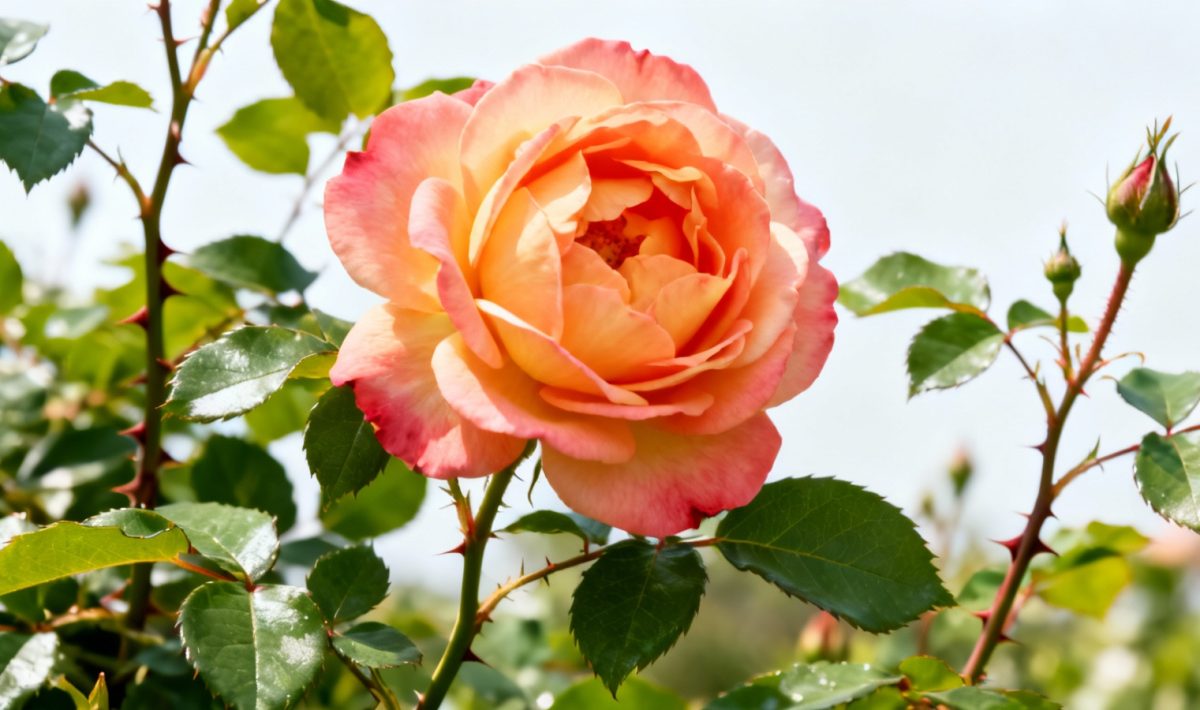
Today, I’m excited to share with you everything you need to know about the magnificent tea rose, or Rosa hybrida. These stunning hybrid roses have captured gardeners’ hearts worldwide with their elegant blooms and intoxicating fragrance. Whether you’re a seasoned gardener or just starting your rose cultivation journey, understanding these remarkable flowers will transform your garden into a breathtaking display.
Understanding tea rose – Rosa hybrida characteristics
Tea roses represent the pinnacle of rose breeding excellence. These hybrid varieties produce large, solitary flowers that typically measure 10 to 11 cm in diameter, with some exceptional varieties reaching even larger dimensions. The blooms feature 25-30 double petals arranged in perfect symmetry, creating that classic rose shape we all adore.
The color range of these roses is simply spectacular. From deep crimson reds to soft pastel pinks, pure whites, and vibrant yellows, there’s a tea rose to complement every garden design and personal preference. Their intense fragrance varies from musky undertones to fruity notes, making them perfect for both garden display and indoor decoration as cut flowers.
These roses typically grow to heights of 70-120 cm, forming bushy, upright plants with dense, dark green foliage. Their vigorous growth habit and disease resistance make them excellent choices for garden borders, flower beds, or as specimen plants in landscape design.
Essential culture and care requirements
Successfully growing tea roses begins with understanding their fundamental needs. These plants thrive in full sun exposure, requiring at least six hours of direct sunlight daily. However, in regions with extremely high temperatures, some afternoon shade can prevent flower fade and extend bloom life.
Soil preparation is crucial for healthy rose development. Tea roses prefer well-draining, fertile soil with a slightly acidic to neutral pH between 6.0 and 7.0. Before planting, enrich the soil with organic compost or well-rotted manure to improve both drainage and nutrient content. This preparation creates the perfect foundation for vigorous root development.
Watering requires careful attention to both frequency and technique. Deep, infrequent watering encourages strong root systems, while avoiding overhead watering helps prevent fungal diseases. Water at soil level early in the morning, allowing plants to dry before evening temperatures drop. During growing season, provide approximately 2-3 cm of water weekly.
Feeding and fertilization system
Tea roses are heavy feeders that benefit from regular fertilization throughout the growing season. Begin feeding in early spring with a balanced fertilizer containing equal amounts of nitrogen, phosphorus, and potassium. Organic options like compost tea or fish emulsion work wonderfully, while granular rose-specific fertilizers provide consistent nutrition.
During peak growing months, supplement with monthly applications of balanced fertilizer. Stop feeding approximately 6-8 weeks before the first expected frost to allow plants to naturally prepare for winter dormancy. This timing prevents tender new growth that could be damaged by cold temperatures.
Pruning and maintenance practices
Proper pruning is essential for maintaining healthy, productive tea roses. The best time for major pruning is late winter or very early spring, just as buds begin to swell. Remove all dead, diseased, or damaged wood first, cutting back to healthy, white pith inside the canes.
Shape the plant by removing weak, thin canes and any growth crossing through the center. This opens up the plant’s center for better air circulation, reducing disease problems. Cut remaining canes back by one-third to one-half their length, making cuts just above outward-facing buds to encourage open growth habit.
Throughout the growing season, practice regular deadheading by removing spent blooms. This encourages continuous flowering and prevents the plant from putting energy into seed production. Cut back to the first strong five-leaflet leaf below the faded flower.
Disease prevention and pest control
Prevention remains the best approach for managing rose problems. Common issues include black spot, powdery mildew, and aphid infestations. Ensure proper spacing between plants for adequate air circulation, and avoid overhead watering to minimize fungal disease development.
For organic pest control, encourage beneficial insects like ladybugs and lacewings by planting companion flowers nearby. Regular inspection helps catch problems early when they’re easier to manage. If you’re interested in exploring other rose varieties with different care requirements, you might find useful information on Confederate rose care which offers insights into caring for different flowering plants in your garden.
Propagation methods for tea roses
Tea roses can be propagated through several effective methods, with cutting propagation being the most accessible for home gardeners. Take softwood cuttings in early summer from healthy, disease-free plants. Cut 6-8 inch segments from current year’s growth, making the bottom cut just below a leaf node.
Remove lower leaves and dip the cutting base in rooting hormone before planting in a well-draining potting mixture. Maintain consistent moisture and provide bright, indirect light. Most cuttings develop roots within 4-6 weeks under proper conditions.
Grafting represents another propagation method, typically performed by experienced growers. This technique combines desirable hybrid varieties with hardy rootstock, producing plants with improved disease resistance and vigour. While more complex than cutting propagation, grafting often yields superior long-term results.
Starting from seed cultivation
Growing tea roses from seed presents unique challenges, as hybrid varieties rarely produce seed that grows true to type. However, for gardeners interested in experimentation, collect fresh rose hips in late fall and extract seeds for cold stratification treatment over winter months.
Plant stratified seeds in spring using sterile seed-starting mixture. Maintain consistent moisture and provide warm temperatures around 21-24°C for best germination rates. Remember that seedlings will likely differ significantly from their parent plants, potentially creating entirely new varieties.
For those interested in exploring other propagation techniques, tips for caring for oleander can provide additional insights into plant propagation methods that might be applicable to various garden plants.
Seasonal care and maintenance schedule
Spring marks the beginning of the active growing season for tea roses. Remove winter protection gradually as temperatures stabilize, and begin your pruning routine. Apply pre-emergent herbicide around plants to prevent weed competition, and start your regular feeding program.
Summer care focuses on maintaining consistent moisture, deadheading spent blooms, and monitoring for pest or disease issues. During extremely hot weather, provide supplemental water and consider temporary shade cloth during the hottest part of the day to protect delicate blooms.
Fall preparation involves gradually reducing watering and stopping fertilization to help plants enter dormancy naturally. Clean up fallen leaves and debris around plants to prevent overwintering disease problems. In colder climates, apply winter protection such as rose cones or burlap wrapping.
Winter protection strategies
Tea roses require winter protection in areas where temperatures regularly drop below -10°C. Begin preparation in late fall by reducing watering and allowing plants to go dormant naturally. Avoid late-season pruning that might stimulate new growth vulnerable to frost damage.
Apply a thick layer of mulch around the plant base, extending outward to cover the root zone. In extremely cold areas, consider wrapping individual plants with burlap or using specialized rose protection systems. Remove winter protection gradually in spring to prevent shock from sudden temperature changes.
Understanding these seasonal rhythms helps ensure your tea roses remain healthy and productive year after year. For gardeners interested in expanding their rose collection, growing tips for China rose offers valuable information about cultivating different rose species with varying care requirements.
Common challenges and solutions
New rose gardeners often encounter specific challenges when growing tea roses. Poor flowering usually results from insufficient sunlight, over-fertilization with nitrogen, or inadequate pruning. Ensure plants receive full sun exposure and maintain balanced nutrition throughout the growing season.
Weak, spindly growth typically indicates either insufficient light or overcrowded conditions. Proper spacing allows each plant adequate room for air circulation and light penetration. If problems persist, consider relocating plants to more suitable locations with better growing conditions.
Disease problems often stem from poor cultural practices rather than inherent plant weaknesses. Improve air circulation, avoid overhead watering, and maintain good garden sanitation to prevent most common rose diseases. Regular inspection and early intervention prevent minor problems from becoming major issues.
For additional perspective on rose care challenges, care and propagation of dog rose provides insights into managing different rose varieties and their specific care requirements, which can complement your tea rose growing experience.
With proper care and attention, tea roses reward gardeners with months of spectacular blooms and enchanting fragrance. These magnificent hybrid varieties continue to represent the perfect combination of beauty, fragrance, and garden performance that makes them indispensable additions to any flower garden or landscape design.

Allan is a lifelong gardening enthusiast who still gets excited when the first seedlings pop up in spring. With a deep love for nature and a hands-in-the-soil approach, he shares practical tips, plant discoveries, and clever tricks picked up over years of digging, planting, and observing. Whether you’re a new gardener or have a shed full of tools, Allan writes like a neighbor who’s always happy to swap cuttings and stories over the fence.
You can find more about Allan’s work on Malt or connect with him on LinkedIn.


