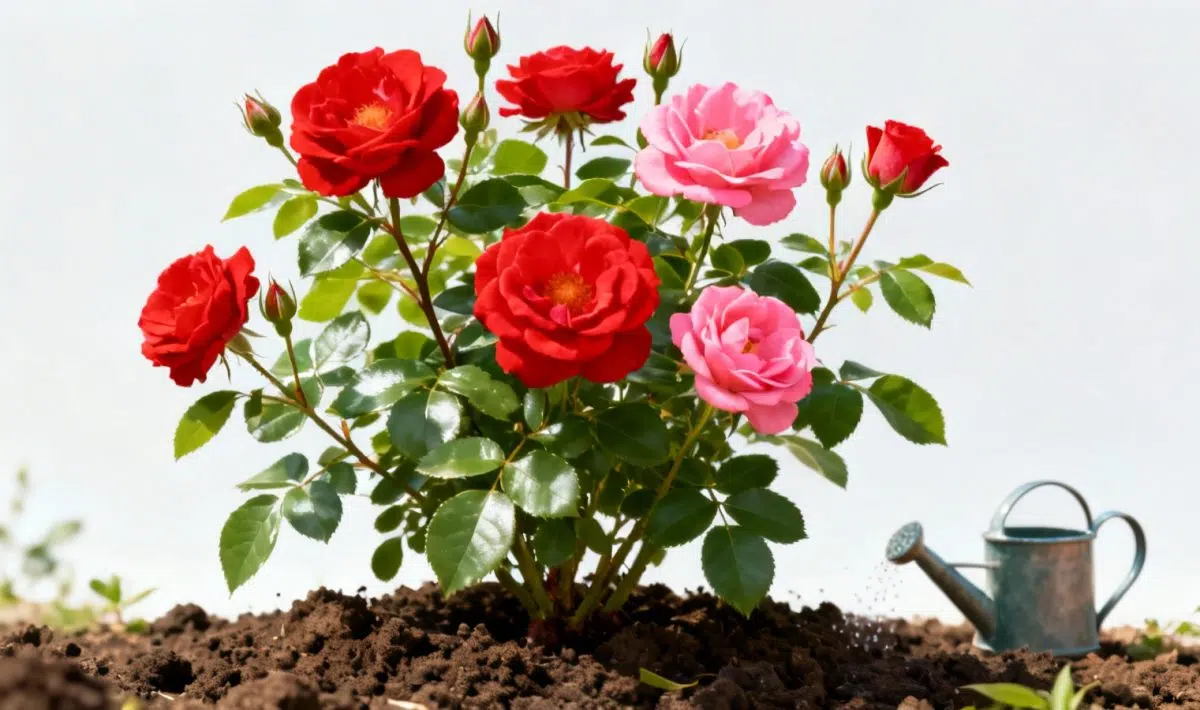
Today, I’m excited to share with you everything you need to know about the magnificent China rose, or Rosa chinensis. This remarkable flowering plant has been captivating gardeners worldwide with its continuous blooming habit and elegant beauty. Whether you’re a seasoned gardener or just starting your journey with roses, understanding this special species will open up a world of possibilities for your outdoor space.
Understanding the China rose – Rosa chinensis
The China rose originates from the central provinces of China, including Guizhou, Hubei, and Sichuan. This botanical treasure belongs to the Rosaceae family and stands out as a key ancestor of modern hybrid tea roses. What makes this rosier particularly special is its remontant characteristic, meaning it produces flowers continuously throughout the growing season rather than just once.
This remarkable plante typically reaches 1 to 2 meters in both height and spread, forming an airy, rounded bush. The tiges are notably less thorny compared to other rose species, making maintenance much more pleasant. The feuilles display an attractive compound structure with 3 to 5 leaflets, each measuring 3-6 cm in length and 1-3 cm in width, creating a lustrous green canopy.
The fleurs of Rosa chinensis are particularly striking, featuring simple five-petaled blooms in shades ranging from pink to deep red. Each flower measures approximately 5-6 cm in diameter and carries a subtle, spicy fragrance that adds another layer of appeal to this wonderful species.
Optimal growing conditions and care
Creating the perfect environment for your China rose begins with understanding its sol requirements. These plantes thrive in well-draining, fertile soil with a slightly acidic to neutral pH between 6.0 and 7.0. The sol should be rich in organic matter, so incorporating compost or well-rotted manure before plantation will give your rose the best possible start.
Proper watering forms the backbone of successful China rose culture. Deep, infrequent watering works best, allowing the soil to dry slightly between sessions. During the floraison period, consistent moisture becomes even more critical. Water at the base of the plante to avoid wetting the feuilles, which can lead to fungal issues.
Sunlight exposure plays a crucial role in the health and flowering performance of your rosier. These beauties require at least six hours of direct sunlight daily, though some afternoon shade in extremely hot climates can be beneficial. The morning sun is particularly important as it helps dry dew from the leaves quickly.
For gardeners exploring different rose varieties, learning about care for the dog rose plant can provide valuable insights into wild rose management techniques that often apply to cultivated varieties.
Essential maintenance and health management
Regular pruning keeps your China rose healthy and promotes abundant flowering. The best time for major pruning is late winter or early spring, just before new growth begins. Remove dead, diseased, or damaged wood first, then thin out crowded areas to improve air circulation.
Fertilization supports the continuous blooming nature of Rosa chinensis. Apply a balanced fertilizer in early spring, followed by lighter applications every 4-6 weeks during the growing season. Organic options like compost or well-composted manure work excellently and improve soil structure over time.
Disease prevention requires attention to environmental factors and good garden hygiene. Ensure adequate spacing between plantes for air circulation, avoid overhead watering, and remove fallen leaves promptly. Common issues include black spot, powdery mildew, and aphid infestations, but proper care significantly reduces these problems.
Those interested in expanding their rose knowledge might find growing tips for tea roses helpful, as many cultivation principles overlap between these closely related species.
Propagation techniques and timing
Multiplying your China rose collection can be achieved through several effective methods. Stem cutting remains the most popular and reliable technique for home gardeners. Take 6-8 inch cuttings from healthy, semi-hardwood tiges in late summer or early fall, ensuring each cutting has several leaf nodes.
Prepare your cuttings by removing lower leaves and making a clean cut just below a node. Dip the cut end in rooting hormone if available, then plant in a well-draining propagation medium. Keep the soil consistently moist but not waterlogged, and provide bright, indirect light until roots develop.
Seed propagation offers another interesting approach, though results may vary from the parent plante. Collect seeds from mature hips in fall, clean them thoroughly, and stratify in the refrigerator for 2-3 months before sowing in spring. This method requires patience but can yield exciting genetic variations.
The timing of propagation activities significantly impacts success rates. Late summer through early fall provides optimal conditions for cutting propagation, while seed sowing works best in early spring after stratification. Whether growing in pots or directly in jardins, maintaining consistent moisture and temperature proves crucial during establishment.
Garden applications and design considerations
The versatility of Rosa chinensis makes it suitable for various garden styles and applications. In formal settings, these rosiers create stunning hedges or foundation plantings. Their compact growth habit also makes them excellent candidates for container culture, allowing gardeners with limited space to enjoy their beauty.
Mixed border plantings showcase China roses beautifully when combined with complementary perennials. Consider pairing them with lavender, catmint, or ornamental grasses for a naturalistic look. The continuous floraison ensures color throughout the growing season, making them valuable anchor plantes in any design.
For those exploring diverse flowering options, exploring swamp rose mallow care can provide inspiration for incorporating different bloom types and seasons into your garden design.
Notable varieties like ‘Mutabilis’ deserve special mention for their unique color-changing flowers that evolve from cream-ochre to deep pink, earning the nickname “butterfly rose.” These varieties add an element of surprise and continued interest to any planting scheme.
Climate considerations also influence variety selection and care requirements. In areas with harsh winters, some protection may be necessary, while in milder regions, these hardy plantes often perform as semi-evergreens, providing year-round structure to the garden.
When planning your garden layout, remember that successful rose culture often benefits from understanding other fruit tree care principles. For instance, cultivating apricot tree insights can inform your approach to soil preparation and seasonal care routines.
The China rose represents an excellent choice for gardeners seeking reliable, beautiful flowering plantes that reward good care with abundant blooms. With proper attention to their basic needs and regular maintenance, these remarkable rosiers will provide years of garden enjoyment and serve as the foundation for expanding your rose-growing expertise.

Allan is a lifelong gardening enthusiast who still gets excited when the first seedlings pop up in spring. With a deep love for nature and a hands-in-the-soil approach, he shares practical tips, plant discoveries, and clever tricks picked up over years of digging, planting, and observing. Whether you’re a new gardener or have a shed full of tools, Allan writes like a neighbor who’s always happy to swap cuttings and stories over the fence.
You can find more about Allan’s work on Malt or connect with him on LinkedIn.