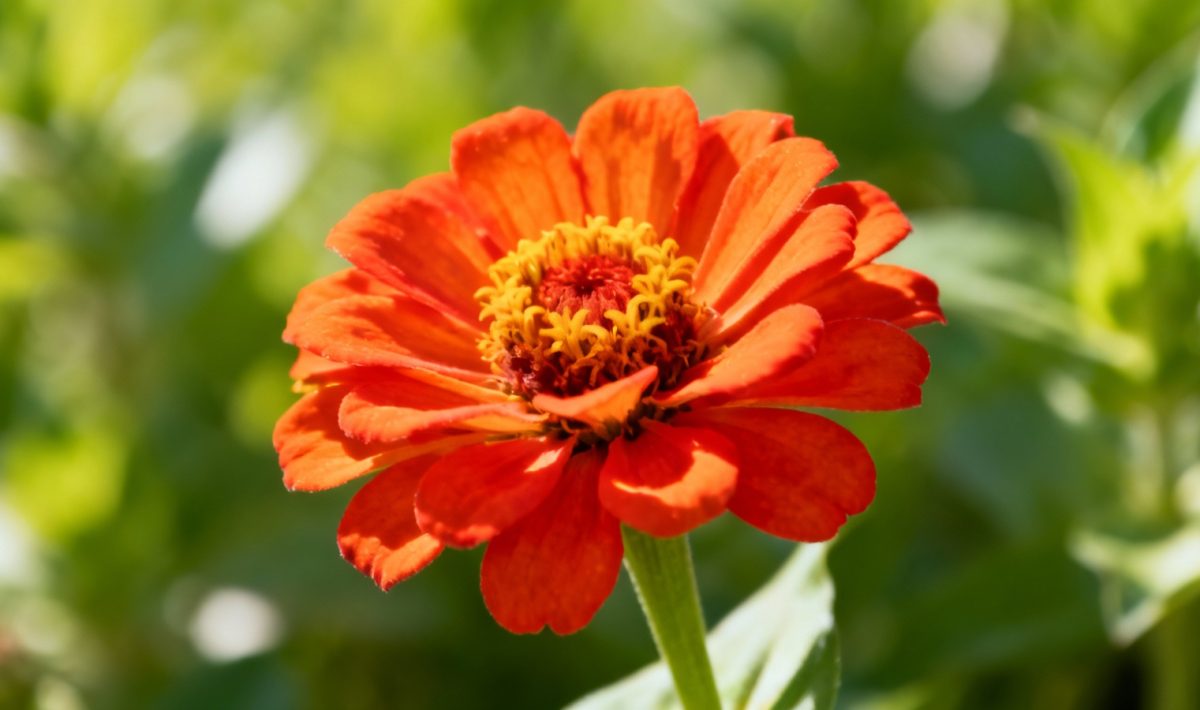
How much sunlight does treasure flower need for thriving blooms
When you’re planning your garden layout, understanding how much sunlight does treasure flower need becomes crucial for achieving those stunning, vibrant blooms that make Gazania such a beloved choice. These remarkable plants are true sun worshippers that will reward your careful attention with spectacular displays of color throughout the growing season.
Essential sunlight requirements for treasure flower success
Treasure flowers demand full sun exposure to thrive, requiring at least 6 to 8 hours of direct sunlight daily. Without adequate light, your plants will struggle to open their flower buds completely, and you’ll notice significantly reduced blooming. The flowers actually close during cloudy days and at night, which clearly demonstrates their strong dependence on bright, direct sunlight.
For optimal results, choose the sunniest spot in your garden where these plants can bask in morning through afternoon sun. Similar considerations apply to other sun-loving plants like sunlight requirements for lemon trees, which also need consistent bright exposure for healthy development.
Understanding light intensity and duration needs
The intensity of light matters just as much as duration when growing treasure flowers. These plants evolved in sunny, arid regions where they naturally receive intense, direct sunlight throughout most of the day. Partial shade or filtered light simply won’t provide the energy they need for robust growth and prolific flowering.
You should position your treasure flowers in locations that receive unobstructed sunlight from at least mid-morning until late afternoon. Early morning dew will naturally provide some moisture, but the warming effects of direct sun help the plant process nutrients efficiently and encourage continuous bloom production.
Seasonal considerations for light exposure
Throughout the growing season, treasure flowers maintain their high light requirements, but you can adjust care practices based on seasonal changes. During peak summer months, these hardy plants actually benefit from the intense heat and bright light that might stress other garden flowers.
In cooler regions, you might find that treasure flowers perform better when planted in the most protected sunny areas of your garden. This approach differs from plants like optimal light conditions for white ash, which can tolerate more varied light conditions as they mature.
Container growing and light management
When growing treasure flowers in containers, you have more flexibility to position them for optimal light exposure. Move containers throughout the day if needed to follow the sun, or place them on wheeled platforms for easy repositioning. Container-grown plants often need slightly more attention to watering since they’ll dry out faster in full sun.
Keep your container plants in the brightest possible location, but monitor soil moisture carefully. The combination of intense sunlight and container drainage means you’ll likely need to water more frequently than plants grown directly in garden soil.
Common light-related problems and solutions
One of the most frequent issues gardeners encounter is poor flowering when treasure flowers don’t receive adequate sunlight. If your plants are producing lots of green foliage but few flowers, insufficient light is likely the culprit. This problem also affects other flowering plants that require specific light conditions, such as ideal sunlight for calla lilies.
Leggy growth and pale leaves are additional signs that your treasure flowers aren’t getting enough light. When plants stretch toward available light sources, they become weak and more susceptible to pest problems and diseases.
Troubleshooting shade issues
If your garden has limited full-sun areas, consider removing or pruning back nearby shrubs or trees that cast shadows on your treasure flower beds. Even small improvements in light exposure can make a significant difference in plant performance and bloom quality.
You might also relocate treasure flowers to different areas of your garden seasonally, taking advantage of changing sun patterns as deciduous trees lose their leaves in fall and regain them in spring.
Optimizing garden placement for maximum sun exposure
Study your garden’s sun patterns throughout the day before planting treasure flowers. The ideal location receives morning sun to help dry overnight moisture from leaves, followed by consistent midday and afternoon exposure. South-facing locations typically provide the most reliable full-sun conditions in most climates.
Avoid planting near structures or large plants that will cast shadows during peak sunlight hours. Even temporary shade can impact blooming, so plan for the mature size of nearby plants when designing your garden layout. Understanding these principles also helps with other garden plants like light requirements for large-leaved lime.
Working with microclimates
Take advantage of natural microclimates in your garden that might provide extra warmth and light reflection. Areas near south-facing walls, patios, or light-colored surfaces often receive additional reflected light and warmth that treasure flowers appreciate.
These enhanced conditions can extend your growing season and improve overall plant vigor. Just ensure adequate air circulation around plants to prevent heat stress during extremely hot periods.
Companion planting with similar light needs
Group treasure flowers with other sun-loving plants that share similar water and light requirements. This approach creates attractive garden combinations while simplifying maintenance routines. Plants like lavender, rosemary, and other Mediterranean herbs make excellent companions for treasure flowers.
When planning companion plantings, consider how different plants will compete for light as they grow. Some plants that initially seem compatible, such as sunlight needs of annual bluegrass, might eventually shade out lower-growing treasure flowers if not properly managed.
Managing competitive growth
Regular maintenance helps ensure all plants in your sunny garden beds receive adequate light exposure. Trim back any plants that begin to overshadow your treasure flowers, and remove spent blooms to encourage continued flowering throughout the season.
Even aggressive spreaders like sunlight preferences of creeping thistle can be managed with proper planning and regular garden maintenance to prevent them from overwhelming more delicate flowering plants.
Maximizing bloom production through proper light management
Consistent, adequate sunlight directly correlates with abundant blooming in treasure flowers. Plants receiving optimal light exposure will produce flowers continuously from late spring through fall frost, creating stunning displays that justify the careful attention to their lighting needs.
Monitor your plants throughout the growing season and make adjustments as needed. This might include relocating containers, pruning nearby plants, or even transplanting garden beds if you discover better sunny locations in your landscape. With proper light management, your treasure flowers will reward you with months of brilliant, cheerful blooms that brighten any garden space.
Allan is a lifelong gardening enthusiast who still gets excited when the first seedlings pop up in spring. With a deep love for nature and a hands-in-the-soil approach, he shares practical tips, plant discoveries, and clever tricks picked up over years of digging, planting, and observing. Whether you’re a new gardener or have a shed full of tools, Allan writes like a neighbor who’s always happy to swap cuttings and stories over the fence.
You can find more about Allan’s work on Malt or connect with him on LinkedIn.