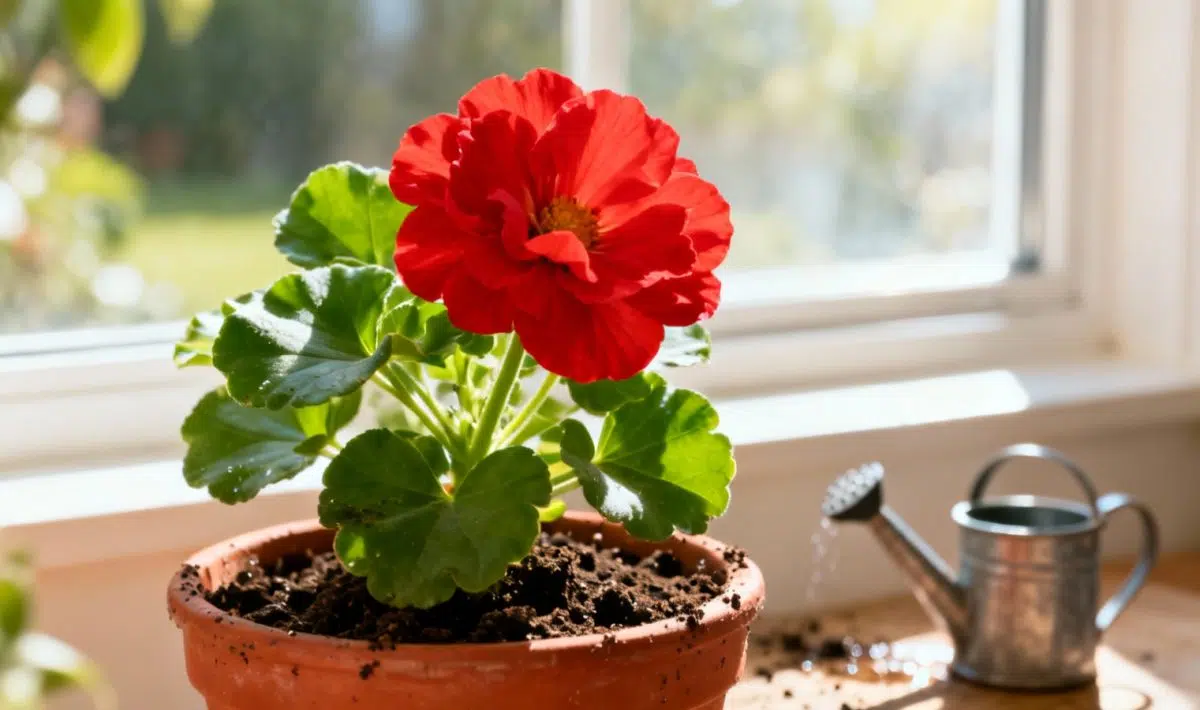
How often should you water your treasure flower for vibrant blooms
Today, let’s dive into one of the most common questions about growing these stunning drought-resistant plants: how often should you water your treasure flower? These vibrant Gazania flowers are known for their resilience, but getting the watering schedule right makes all the difference between good blooms and spectacular ones.
Treasure flowers are fascinating plants that have evolved to thrive in warm, sunny conditions. They’re incredibly forgiving when it comes to watering, which makes them perfect for gardeners who want beautiful flowers without constant maintenance. However, understanding their specific needs will help you achieve the most vibrant displays possible.
Understanding your treasure flower’s water requirements
These remarkable plants come from South Africa, where they’ve adapted to survive in challenging conditions. What makes treasure flowers special is their ability to store water efficiently, but this doesn’t mean you should neglect them entirely. During their active growing season from spring through summer, they need consistent moisture to produce those gorgeous blooms we all love.
The key is finding that sweet spot between too much and too little water. Treasure flowers prefer soil that drains well but retains enough moisture to keep the roots happy. When you’re starting from seeds, this balance becomes even more important because young plants are more sensitive to both drought and overwatering.
Several factors influence how often you’ll need to water your flowers. The size of your plants, the type of soil they’re growing in, and the weather conditions all play important roles. Container-grown treasure flowers will need more frequent watering than those planted directly in garden beds, simply because pots dry out faster.
Seasonal watering schedules that work
Spring marks the beginning of active growth for treasure flowers, and this is when you should establish a regular watering routine. During this season, aim to water once or twice per week, depending on rainfall and temperature. The soil should feel slightly moist but never soggy when you stick your finger about an inch deep.
Summer brings the most intense watering needs, especially during hot spells above 75°F. You might need to water every two to three days during peak summer heat. However, these plants are remarkably drought-tolerant once established, so don’t panic if you miss a day or two. Just like watering tips for healthy arborvitae, consistency matters more than perfection.
As autumn arrives, gradually reduce your watering frequency. Treasure flowers begin preparing for their dormant period, and too much water during this time can actually harm them. Water only when the soil feels dry to the touch, which might mean once a week or even less frequently.
Winter requires the most restraint when it comes to watering. These plants enter a rest phase where they need minimal moisture. In most climates, natural rainfall provides enough water, and you should only supplement if you’re experiencing an unusually dry winter.
Perfect timing for watering sessions
The time of day you choose to water makes a significant difference in plant health. Early morning is absolutely the best time to water your treasure flowers. This timing allows the plants to absorb what they need before the heat of the day while giving any excess moisture time to evaporate from the leaves.
Watering in the evening might seem convenient, but it can create problems. Wet foliage overnight increases the risk of fungal diseases, which can damage your beautiful flowers. If morning watering isn’t possible, late afternoon is your next best option, giving plants time to dry before nightfall.
Avoid watering during the hottest part of the day, typically between 10 AM and 4 PM. Water droplets can act like tiny magnifying glasses, potentially scorching the leaves. Plus, much of the water will evaporate before reaching the roots where it’s needed most.
Effective watering techniques for healthy growth
The method you use to water your treasure flowers can be just as important as when and how often you water them. Deep, thorough watering is far better than frequent light sprinklings. When you water, make sure the moisture penetrates several inches into the soil to encourage deep root development.
A soaker hose or drip irrigation system works wonderfully for treasure flowers because it delivers water directly to the soil without wetting the foliage. This reduces disease risk while ensuring efficient water use. Similar to how to water coriander effectively, focusing water at the root zone produces better results.
If you’re hand-watering, use a watering can with a rose attachment or a hose with a gentle spray nozzle. Water slowly and steadily, allowing the soil to absorb moisture rather than running off the surface. For container plants, water until you see drainage from the bottom holes.
Smart tools and accessories for better results
Investing in a few simple tools can make watering your treasure flowers much more effective. A moisture meter takes the guesswork out of when to water by giving you precise readings of soil moisture levels. These inexpensive devices are particularly helpful for beginners who are still learning to read their plants’ signals.
Mulch is one of the most valuable additions you can make around your treasure flowers. A two-inch layer of organic mulch helps retain soil moisture, reduces weeds, and keeps roots cool during hot weather. Just like best watering practices for chives, proper mulching significantly reduces watering needs.
Self-watering containers or water-storing crystals mixed into potting soil can help maintain consistent moisture levels for container-grown plants. These tools are especially useful if you travel frequently or have a busy schedule that makes regular watering challenging.
Recognizing and preventing watering problems
Overwatering is actually more dangerous to treasure flowers than underwatering. These plants are adapted to survive dry conditions, but they struggle in waterlogged soil. Signs of overwatering include yellowing leaves, soft stems, and a general lack of vigor despite adequate sunlight.
Root rot is the most serious consequence of too much water. Once this sets in, it’s difficult to reverse, and you may lose your plants entirely. The best prevention is ensuring good drainage and allowing soil to dry between waterings. Well-draining soil is crucial for success with these flowers.
Underwatering symptoms are easier to spot and correct. Wilted leaves, brown edges, and reduced flowering are typical signs that your plants need more water. Fortunately, treasure flowers bounce back quickly once you resume proper watering. Just like ensuring oxeye daisy blooms thrive, catching problems early makes all the difference.
Watch for environmental stressors that might increase water needs. Hot, windy days, sandy soil, and small pots all accelerate moisture loss. During these conditions, you may need to water more frequently than your normal schedule suggests. The key is staying flexible and responsive to your plants’ needs.
Remember that established treasure flowers are incredibly resilient. Once they’ve developed a good root system, they can tolerate short periods of drought without permanent damage. This makes them excellent choices for water-wise gardens and low-maintenance landscaping projects that still deliver stunning visual impact.
Allan is a lifelong gardening enthusiast who still gets excited when the first seedlings pop up in spring. With a deep love for nature and a hands-in-the-soil approach, he shares practical tips, plant discoveries, and clever tricks picked up over years of digging, planting, and observing. Whether you’re a new gardener or have a shed full of tools, Allan writes like a neighbor who’s always happy to swap cuttings and stories over the fence.
You can find more about Allan’s work on Malt or connect with him on LinkedIn.