
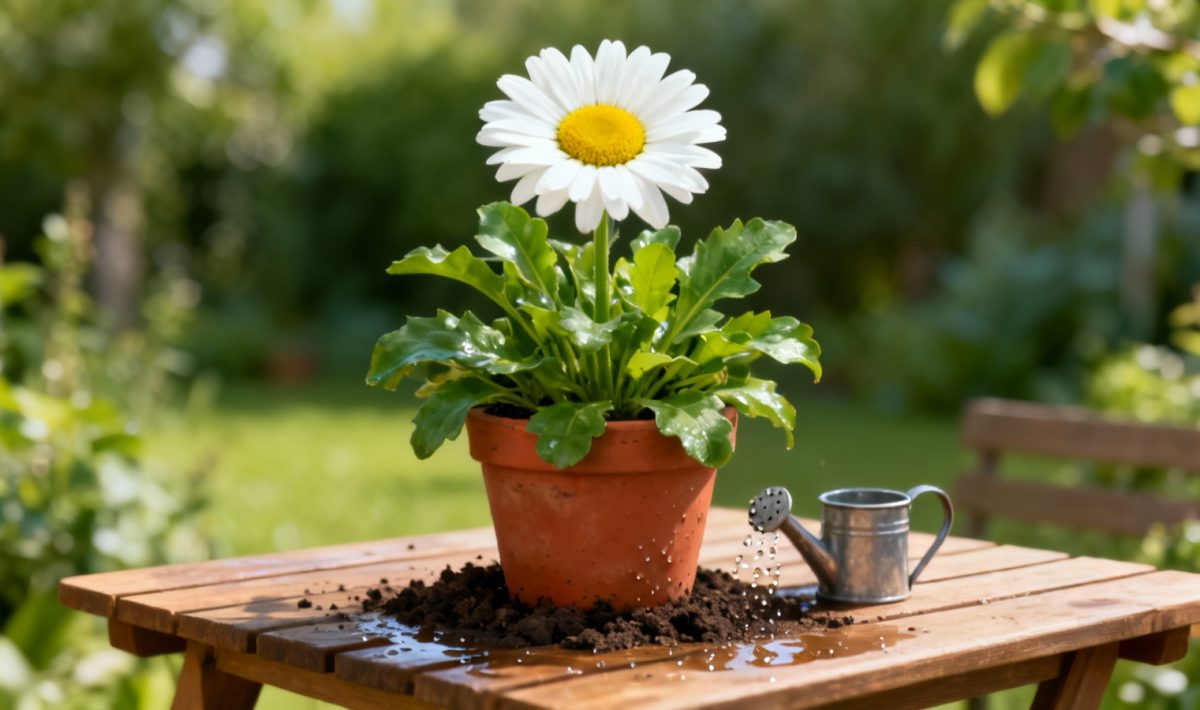
The charming oxeye daisy brings a touch of wild meadow beauty to any garden with its classic white petals and bright yellow centers. Understanding how often should you water your oxeye daisy is essential for maintaining these hardy perennials that can transform ordinary spaces into vibrant flower displays. These resilient plants have specific hydration needs that differ from other common garden flowers, making proper watering techniques crucial for their long-term success.
Understanding the oxeye daisy plant
The oxeye daisy (Leucanthemum vulgare) is a robust perennial flower that originates from European meadows and has naturalized across North America. This common daisy features distinctive white petals radiating from a golden center, creating the classic flower appearance we all recognize. The plant typically grows 12-24 inches tall with dark green, deeply-lobed leaves that form attractive clumps in garden beds.
These hardy plants thrive in various soil types and can tolerate challenging conditions that would stress other flowers. Wild oxeye daisies often flourish in prairies, fields, and roadside areas where water availability varies dramatically throughout the seasons. This natural adaptability makes them excellent choices for low-maintenance garden areas where consistent watering might be challenging.
In garden settings, oxeye daisies serve multiple purposes beyond their aesthetic appeal. They attract beneficial pollinators like bees and butterflies while providing excellent cut flowers for indoor arrangements. The plant’s ability to spread through underground rhizomes means established colonies can fill large areas with cheerful blooms from late spring through early fall.
Factors affecting oxeye daisy watering needs
Several environmental factors significantly influence how often you should water your oxeye daisy throughout the growing season. Soil type plays a crucial role, as sandy soils drain quickly and require more frequent watering, while clay soils retain moisture longer and need less frequent irrigation. Well-draining soil with good organic content provides the ideal balance for these meadow flowers.
Climate conditions dramatically impact watering schedules, with hot, dry summers requiring more attention than cool, humid periods. Wind exposure can also increase water loss through transpiration, making plants in windy locations need more frequent hydration. Similarly to how you might adjust your ideal watering schedule for arborvitae based on environmental conditions, oxeye daisies benefit from seasonal watering adjustments.
Plant maturity affects water requirements significantly, with newly established daisies needing consistent moisture while mature plants can tolerate drought conditions. The surrounding landscape also matters – plants growing near water-hungry companions may face increased competition for soil moisture, requiring additional attention to their hydration needs.
Seasonal watering requirements
Spring watering focuses on supporting new growth as plants emerge from winter dormancy. During this season, provide moderate moisture to encourage healthy leaf development and flower bud formation. Water deeply once or twice per week, allowing soil to dry slightly between sessions to prevent root rot in cool, damp conditions.
Summer represents the most critical watering period for oxeye daisies, especially during peak blooming season. Hot weather and increased transpiration rates mean plants may need water every 3-4 days during prolonged dry spells. However, avoid daily light watering which encourages shallow root development and reduces drought tolerance.
Fall watering should gradually decrease as temperatures cool and plants prepare for winter dormancy. Reduce frequency to weekly sessions, focusing on deep watering that helps plants store energy for next year’s growth. Stop regular watering once frost arrives, as dormant plants require minimal moisture through winter months.
Proper watering techniques for oxeye daisies
Effective watering methods ensure your oxeye daisies receive adequate hydration without wasteful overwatering. Deep, infrequent watering encourages strong root development and improves drought tolerance compared to frequent shallow watering. Apply water slowly at soil level, allowing it to penetrate deeply rather than running off the surface.
Morning watering provides optimal timing, giving plants access to moisture during the hottest parts of the day while allowing foliage to dry before evening. This reduces disease risks associated with prolonged leaf wetness, particularly important for plants growing in humid conditions. Just as with watering tips for coriander plants, timing your irrigation correctly can prevent many common problems.
Soaker hoses or drip irrigation systems work excellently for oxeye daisy beds, delivering consistent moisture directly to root zones without wetting foliage. These methods also conserve water and reduce weeding needs by avoiding irrigation of surrounding soil areas where unwanted grass and weeds might germinate.
Monitoring soil moisture levels
Regular soil moisture checks prevent both under and overwatering problems that can stress oxeye daisies. Insert your finger 2-3 inches into the soil near plant bases – if it feels dry at this depth, it’s time to water. Alternatively, use a simple soil moisture meter for more accurate readings in larger garden areas.
Visual plant indicators also signal watering needs, though waiting for obvious stress symptoms isn’t ideal. Slightly wilted leaves during hot afternoons are normal, but persistent wilting or yellowing foliage suggests inadequate moisture. Conversely, consistently soggy soil or fungal growth indicates overwatering problems requiring immediate attention.
Different soil types require adjusted monitoring approaches. Sandy soils need more frequent checking as they dry quickly, while clay soils should be monitored carefully to avoid waterlogged conditions. The same attention to soil conditions that benefits best watering practices for chives also applies to maintaining healthy oxeye daisy gardens.
Common watering mistakes to avoid
Overwatering represents the most frequent mistake gardeners make with oxeye daisies, often leading to root rot and reduced flowering. These hardy plants prefer slightly dry conditions over consistently wet soil, making them quite different from water-loving garden plants. Signs of overwatering include yellowing lower leaves, soft or blackened roots, and poor flower production despite lush foliage growth.
Shallow, frequent watering creates weak root systems that can’t access deeper soil moisture during dry periods. This practice essentially trains plants to depend on surface irrigation rather than developing the deep root networks that make oxeye daisies naturally drought-tolerant. Focus on less frequent but thorough watering sessions that encourage robust root development.
Watering late in the evening or at night increases disease risks by keeping foliage wet for extended periods. This creates ideal conditions for fungal infections that can seriously damage both individual plants and entire daisy colonies. The principles that guide watering guidelines for garlic mustard regarding timing apply equally well to oxeye daisy care.
Recognizing water stress symptoms
Understanding the difference between normal plant responses and actual water stress helps you provide appropriate care without overreacting to temporary changes. Mild wilting during hot afternoons is typical for many plants, including oxeye daisies, and doesn’t necessarily indicate insufficient water if plants recover by evening.
Genuine drought stress appears as persistent wilting, leaf browning from edges inward, and reduced flower size or quantity. Severely stressed plants may stop blooming entirely and enter premature dormancy to conserve energy. However, oxeye daisies are remarkably resilient and often recover quickly once proper moisture levels are restored.
Established oxeye daisy colonies can survive extended dry periods that would kill less hardy flowers. This natural drought tolerance, similar to characteristics found in watering frequency for Peruvian lilies, makes them excellent choices for water-wise garden designs where consistent irrigation isn’t practical or desired.
Optimizing oxeye daisy care for long-term success
Creating the right growing environment reduces watering demands and promotes healthier, more resilient oxeye daisy plants. Incorporate organic matter like compost into planting areas to improve soil water retention and drainage simultaneously. This creates the ideal growing medium that holds adequate moisture without becoming waterlogged during heavy rains.
Mulching around daisy clumps helps conserve soil moisture while suppressing competing weeds that might steal water from your flowers. Use organic mulches like shredded leaves or grass clippings, applying a 2-3 inch layer but keeping mulch away from direct contact with plant crowns to prevent rot issues.
Consider companion planting with other drought-tolerant perennials that share similar water requirements. This approach creates efficient garden zones where all plants can thrive under the same irrigation schedule, reducing maintenance while creating attractive mixed plantings that bloom throughout the growing season.
Understanding how often should you water your oxeye daisy ultimately depends on balancing plant needs with environmental conditions and soil characteristics. These remarkable flowers reward thoughtful care with seasons of cheerful blooms that bring meadow beauty to cultivated gardens. By following proper watering techniques and avoiding common mistakes, you can enjoy robust oxeye daisy displays that return reliably year after year with minimal intervention required.

Allan is a lifelong gardening enthusiast who still gets excited when the first seedlings pop up in spring. With a deep love for nature and a hands-in-the-soil approach, he shares practical tips, plant discoveries, and clever tricks picked up over years of digging, planting, and observing. Whether you’re a new gardener or have a shed full of tools, Allan writes like a neighbor who’s always happy to swap cuttings and stories over the fence.
You can find more about Allan’s work on Malt or connect with him on LinkedIn.


