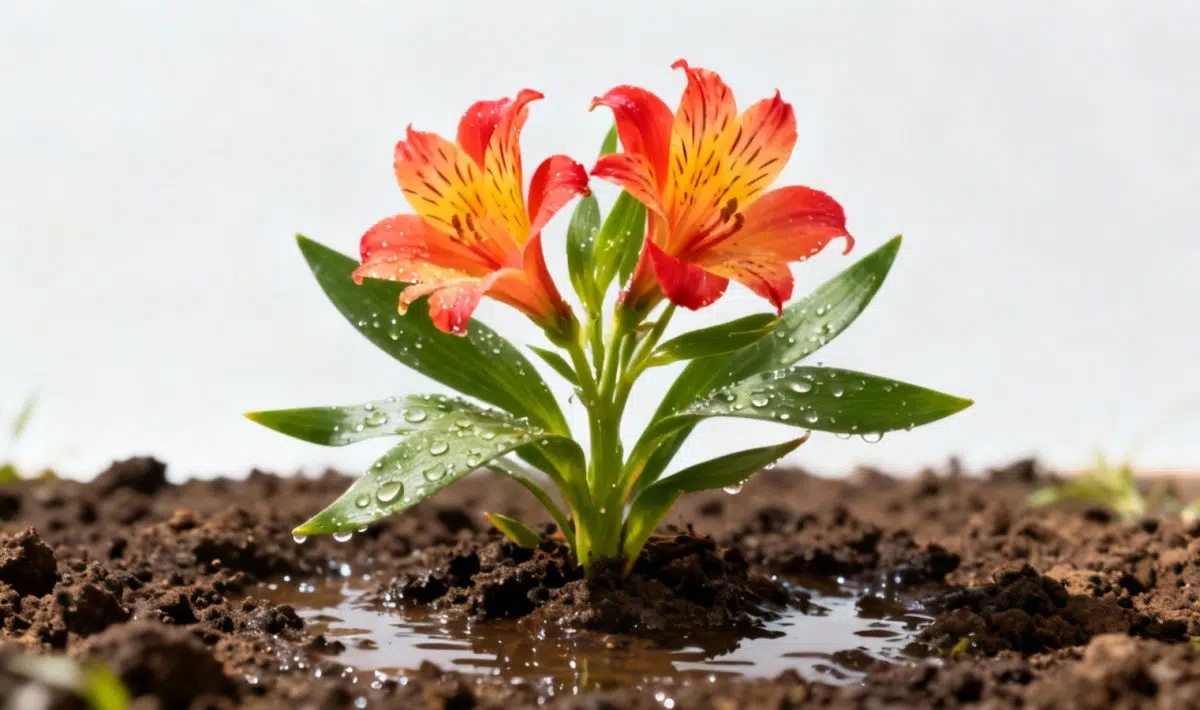
How often should you water your Peruvian lily for healthy flowering
Your Peruvian lily deserves the perfect balance of moisture to thrive in your garden. Getting the watering schedule right makes all the difference between lackluster blooms and stunning flower displays that last for months. Understanding how often should you water your Peruvian lily will help you create the ideal growing conditions for this remarkable plant.
Alstroemeria plants have unique hydration requirements that differ from many common garden flowers. These South American beauties prefer consistent moisture without waterlogged conditions. The key is maintaining that sweet spot where the soil stays slightly damp but never soggy.
During the growing season, your Peruvian lily typically needs water every 2-3 days, depending on weather conditions and soil type. However, this frequency can vary significantly based on several factors that influence how quickly moisture evaporates from your garden beds.
The importance of proper watering cannot be overstated for these plants. Consistent moisture encourages robust root development and supports the energy-intensive process of producing those gorgeous, long-lasting flowers that make alstroemeria so popular among gardeners.
Factors that influence watering frequency
Climate conditions play a major role in determining your watering schedule. During hot, dry spells, you may need to water daily to keep your plants happy. Conversely, cooler weather or rainy periods may extend the time between waterings to once a week or even less.
Soil composition dramatically affects water retention. Sandy soils drain quickly and require more frequent watering, while clay-heavy soils hold moisture longer. Well-draining, loamy soil provides the best foundation for healthy alstroemeria growth.
Container-grown plants need more attention than garden-planted specimens. Pots dry out faster, especially during warm weather, so check your containerized Peruvian lilies daily and water when the top inch of soil feels dry to the touch.
Seasonal watering strategies for optimal care
Spring marks the beginning of active growth for your alstroemeria plants. As new shoots emerge, gradually increase watering frequency to support this burst of energy. Start with every 3-4 days and adjust based on weather conditions and plant response.
Summer demands your closest attention to watering schedules. High temperatures and extended daylight hours increase water consumption dramatically. During peak growing season, daily watering may be necessary, especially for plants in full sun locations.
Fall brings a natural slowdown in growth, and you can reduce watering frequency accordingly. As temperatures drop and daylight hours shorten, your plants enter a semi-dormant state requiring less moisture. Similar principles apply when watering your peace lily effectively as houseplants also require seasonal adjustments.
Winter care varies by climate zone. In mild areas, continue light watering throughout the dormant period. In colder regions where plants die back completely, cease watering until new growth appears in spring.
Proper watering techniques and methods
The best time to water your Peruvian lily is early morning, allowing plants to absorb moisture before the day’s heat sets in. This timing also reduces the risk of fungal diseases that thrive in persistently wet conditions.
Apply water directly to the soil rather than spraying foliage. Overhead watering can promote leaf diseases and waste precious water through evaporation. Use a soaker hose or drip irrigation system for the most efficient delivery method.
Deep, thorough watering encourages strong root development more effectively than frequent shallow applications. Water until you see moisture penetrating 6-8 inches into the soil, ensuring the entire root zone receives adequate hydration.
Mulching around your plants helps retain soil moisture and reduces watering frequency. A 2-3 inch layer of organic mulch like shredded bark or compost keeps roots cool and moist while suppressing competing weeds.
Common watering mistakes to avoid
Overwatering ranks as the most frequent error gardeners make with alstroemeria plants. These flowers hate soggy conditions, which can quickly lead to root rot and plant death. Signs of overwatering include yellowing leaves, musty odors from the soil, and soft, blackened roots.
Conversely, allowing plants to become severely drought-stressed damages their long-term health and flowering potential. Consistently dry conditions cause premature flower drop and stunted growth that may take weeks to recover.
Ignoring drainage requirements creates problems even with perfect watering frequency. Heavy, compacted soils that don’t drain properly will cause issues regardless of how carefully you water. Just as with properly watering your arborvitae plants, good drainage forms the foundation of healthy plant care.
Watering at the wrong time of day wastes water and may harm your plants. Evening watering leaves foliage wet overnight, creating ideal conditions for fungal diseases that can devastate your flower beds.
Monitoring soil moisture effectively
The finger test remains the most reliable method for checking soil moisture. Insert your index finger 2-3 inches into the soil near your plants. If it feels dry at this depth, it’s time to water.
Visual cues from your plants provide valuable feedback about watering needs. Slightly wilted leaves in the morning indicate insufficient moisture, while persistently yellow or dropping leaves may signal overwatering problems.
Soil moisture meters offer a more precise measurement tool for gardeners who prefer exact readings. These inexpensive devices eliminate guesswork and help you develop a better understanding of your garden’s specific needs.
Weather forecasting helps you plan watering schedules more efficiently. Check upcoming precipitation predictions before watering to avoid unnecessary applications that nature will provide for free.
Optimizing growth conditions beyond watering
Soil preparation creates the foundation for successful Peruvian lily cultivation. Incorporate plenty of organic matter like compost or well-aged manure to improve drainage while retaining adequate moisture for healthy root development.
Fertilization works hand-in-hand with proper watering to maximize flowering potential. Apply a balanced, water-soluble fertilizer every 4-6 weeks during the growing season to support continuous bloom production and vigorous plant growth.
Regular deadheading encourages additional flower production throughout the growing season. Remove spent blooms promptly to redirect plant energy into creating new flowers rather than seed production.
Brown leaf tips often indicate inconsistent watering patterns rather than absolute drought or flood conditions. Maintain steady moisture levels to prevent this cosmetic damage that can detract from your garden’s appearance.
Stunted growth may result from either too much or too little water. Evaluate your watering practices and soil drainage to identify the underlying cause before adjusting your care routine.
Poor flowering performance frequently stems from irregular watering during bud formation. Consistent moisture during this critical period ensures full, vibrant blooms that justify the space these plants occupy in your garden.
Disease issues like fungal infections often develop when watering practices create persistently wet conditions. Improve air circulation and adjust watering timing to reduce moisture-related plant health problems.
Advanced watering strategies for maximum success
Drip irrigation systems provide the most precise water delivery for serious alstroemeria growers. These systems deliver water slowly and steadily, maximizing absorption while minimizing waste through runoff or evaporation.
Water quality considerations become important in areas with heavily chlorinated or mineral-rich water supplies. Allow tap water to sit overnight before use, or consider collecting rainwater for particularly sensitive plants in your garden collection.
Grouping plants with similar water needs creates more efficient garden management. Plant your Peruvian lilies alongside other moisture-loving flowers like best practices for watering Canna lilies to simplify your watering routine and ensure consistent care.
Seasonal moisture adjustment helps plants transition naturally between active growth and dormant periods. Gradually reduce watering frequency as temperatures drop, allowing your alstroemeria to prepare for winter rest.
Understanding how often should you water your Peruvian lily transforms garden maintenance from guesswork into a reliable system that produces stunning results year after year. With consistent attention to moisture levels and proper techniques, your alstroemeria plants will reward you with abundant flowers that brighten your garden and provide excellent cut flower material for indoor arrangements.
Allan is a lifelong gardening enthusiast who still gets excited when the first seedlings pop up in spring. With a deep love for nature and a hands-in-the-soil approach, he shares practical tips, plant discoveries, and clever tricks picked up over years of digging, planting, and observing. Whether you’re a new gardener or have a shed full of tools, Allan writes like a neighbor who’s always happy to swap cuttings and stories over the fence.
You can find more about Allan’s work on Malt or connect with him on LinkedIn.