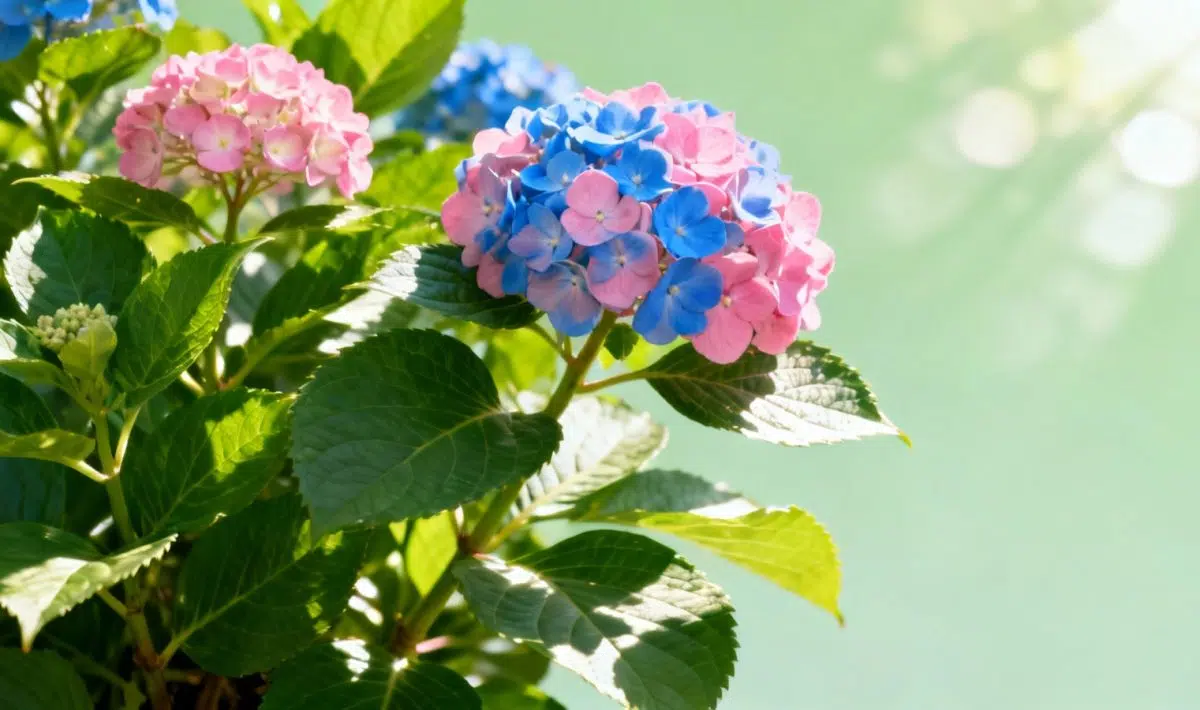
When it comes to growing stunning bigleaf hydrangea (Hydrangea macrophylla), getting the sunlight balance just right makes all the difference. These gorgeous shrubs thrive with partial sun exposure, typically needing 3 to 6 hours of direct sunlight daily. The secret lies in providing gentle morning sun followed by afternoon shade, which protects those beautiful blue flowers from scorching while ensuring robust growth.
Bigleaf hydrangeas are remarkably hardy plants that adapt well to various garden conditions. However, they perform best when shielded from the intense afternoon heat that can stress their large, caduques leaves. Too much direct sunlight can cause leaf scorch, turning those elegant green feuilles brown at the edges and reducing the plant’s overall vigor.
Optimal sunlight conditions for healthy growth
The ideal exposure for your bigleaf hydrangea involves morning sunlight streaming through your garden for approximately 4 hours, followed by dappled shade during the hottest part of the day. This pattern mimics their natural habitat and promotes the stunning blooms these plants are famous for. Research from Ohio State University confirms that this balance produces the most prolific flowering while maintaining plant health.
Different climate zones require slight adjustments to these guidelines. In cooler northern gardens, your hydrangea can tolerate up to 6-8 hours of daily sun without stress. However, in warmer southern regions, limiting exposure to 3-4 hours prevents heat damage. Much like optimal sunlight for cucumber growth, understanding your local climate helps determine the perfect balance.
Impact of sunlight on flower color and quality
Sunlight exposure directly influences both flower production and the intensity of those gorgeous blue blooms that make bigleaf hydrangeas so desirable. Adequate light encourages abundant flowering, while insufficient exposure results in fewer fleurs and leggy growth. The morning sun provides energy for photosynthesis without the harsh intensity that can fade delicate petals.
Interestingly, soil acidity combined with proper light exposure creates those coveted blue hydrangea flowers. When plants receive optimal sunlight in acidic sol conditions, the aluminum uptake increases, resulting in deeper, more vibrant blue tones. This makes choosing the right garden spot crucial for achieving the color you desire.
Signs of improper light exposure
Your bigleaf hydrangea will clearly communicate when it’s receiving too much or too little sunlight. Excessive sun exposure manifests as brown, crispy leaf edges, wilted appearance despite adequate watering, and faded flower colors. These symptoms indicate your plant needs more shade protection during peak afternoon hours.
Conversely, insufficient light results in sparse flowering, elongated stems reaching for light, and pale green foliage. Plants grown in heavy shade often develop a weak structure and produce significantly fewer of those stunning blooms you’re hoping to achieve. Finding that sweet spot ensures vigorous growth and abundant flowering.
Creating the perfect growing environment
Beyond sunlight requirements, successful bigleaf hydrangea cultivation depends on several complementary factors. Well-draining, consistently moist soil provides the foundation for healthy root development. These plants appreciate rich, organic matter that retains moisture without becoming waterlogged, especially during hot summer months.
Regular watering becomes particularly important when plants receive more sunlight, as increased photosynthesis demands more moisture. During peak growing season, check soil moisture daily and water deeply when the top inch feels dry. This approach supports both foliage health and flower production throughout the blooming period.
Mulching around the base helps regulate soil temperature and moisture levels, creating optimal root zone conditions. A 2-3 inch layer of organic mulch keeps roots cool and reduces water stress, particularly beneficial for plants receiving maximum recommended sunlight exposure. This practice also suppresses weeds that might compete for nutrients.
Fertilization and seasonal care
Proper nutrition supports your hydrangea’s ability to utilize available sunlight efficiently. A balanced, slow-release fertilizer applied in early spring provides essential nutrients for the upcoming growing season. Avoid high-nitrogen fertilizers that promote excessive foliage at the expense of flower production.
Just as healthy sunlight conditions for sycamore trees require specific care routines, hydrangeas benefit from seasonal attention. Fall preparation includes reducing watering as daylight hours decrease and applying a winter mulch layer for root protection in colder climates.
Varieties and their specific needs
Different bigleaf hydrangea cultivars may have slight variations in their light requirements. Popular varieties like ‘Nikko Blue’ and ‘Endless Summer’ generally follow the standard 3-6 hour guideline, but some newer cultivars show improved tolerance to either more sun or deeper shade conditions.
When selecting graines or young plants for your garden, consider your specific site conditions alongside variety characteristics. Non-OGM varieties often display superior adaptability to local growing conditions, making them excellent choices for gardeners seeking reliable performance and stunning ornamental value.
Some gardeners find that planting multiple varieties with slightly different light tolerances creates an extended blooming season. This strategy works particularly well in gardens with varying microclimates, allowing you to maximize both flowering display and garden design flexibility.
Troubleshooting common light-related problems
Leaf scorch represents the most common issue when bigleaf hydrangeas receive excessive sunlight. Those beautiful large leaves develop brown, papery edges that eventually spread inward if conditions don’t improve. Moving plants or creating artificial shade during peak summer heat often resolves this problem quickly.
Poor flowering typically indicates insufficient light exposure, though other factors like improper pruning or nutrient deficiencies might contribute. If your established plant suddenly produces fewer flowers, evaluate whether nearby trees have grown and created additional shade that wasn’t present in previous seasons.
Similar to how ideal sunlight for potato plants requires careful monitoring, hydrangeas benefit from regular observation and adjustment. Environmental changes, including new construction or landscape modifications, can significantly alter light patterns in your garden over time.
Seasonal light adjustments
Understanding how seasonal sun angles affect your hydrangea’s exposure helps optimize placement and care routines. Winter sun sits lower in the sky, potentially providing more direct exposure to plants that receive filtered summer light. This seasonal variation rarely causes problems but explains why some gardeners notice different growth patterns throughout the year.
Spring emergence timing often correlates with light exposure levels from the previous growing season. Plants that received optimal sunlight typically break dormancy earlier and show more vigorous initial growth. This early advantage translates to better overall performance throughout the active growing period.
Much like sunlight requirements for coriander growth, monitoring and adjusting care based on seasonal changes ensures consistent results. Regular assessment of your hydrangea’s response to current light conditions allows for timely interventions when needed.
Maximizing your garden’s potential
Successfully growing bigleaf hydrangeas with proper sunlight exposure creates opportunities for stunning garden design elements. These versatile shrubs work beautifully in bordures, foundation plantings, or as specimen plants in partially shaded areas where many other flowering shrubs struggle.
The key to long-term success lies in understanding that consistent, appropriate light exposure supports not just immediate flowering but also plant longevity and disease resistance. Healthy, well-positioned hydrangeas often thrive for decades, becoming increasingly spectacular as they mature and develop their full flowering potential.
Investing in quality, non-OGM graines or young plants from reputable sources ensures you’re starting with genetics capable of thriving in your specific light conditions. This initial investment in quality pays dividends through years of reliable performance and stunning garden displays that make your outdoor space truly special.
Allan is a lifelong gardening enthusiast who still gets excited when the first seedlings pop up in spring. With a deep love for nature and a hands-in-the-soil approach, he shares practical tips, plant discoveries, and clever tricks picked up over years of digging, planting, and observing. Whether you’re a new gardener or have a shed full of tools, Allan writes like a neighbor who’s always happy to swap cuttings and stories over the fence.
You can find more about Allan’s work on Malt or connect with him on LinkedIn.