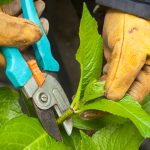
Should You Prune Hydrangeas in March? Here’s the Rule That Most Gardeners Get Wrong
Pruning hydrangeas can be a delicate task, especially when it comes to timing. Many gardeners are unsure whether they should prune their hydrangeas in March, and this confusion often stems from not understanding the different types of hydrangeas and their specific pruning needs. Here’s a guide to help clarify the rules for pruning hydrangeas, focusing on the most common varieties and the best practices for each.
Hydrangeas come in several varieties, each with its unique characteristics and pruning requirements. The main types include Bigleaf, Panicle, Oakleaf, Mountain, and Climbing hydrangeas. Understanding these differences is crucial for effective pruning.
The Bigleaf hydrangea, known for its large, round clusters of flowers, blooms on old wood. This means it produces flowers on stems that grew the previous year. Therefore, pruning should be done immediately after flowering to avoid cutting off buds that will bloom the following year.
Panicle hydrangeas, on the other hand, bloom on new wood, meaning they produce flowers on stems that grow in the current year. This allows for more flexibility in pruning, as they can be pruned in late winter or early spring without affecting the upcoming blooms.
Oakleaf, Mountain, and Climbing hydrangeas also bloom on old wood, similar to Bigleaf hydrangeas. They should not be pruned until after they have finished flowering to preserve the buds for the next year’s blooms.
Should You Prune in March?
Pruning hydrangeas in March depends on the type of hydrangea you have. For Panicle hydrangeas, March can be a good time to prune, as it is late winter to early spring in many regions. This timing allows you to shape the plant and encourage new growth without affecting the blooms.
However, for Bigleaf, Oakleaf, Mountain, and Climbing hydrangeas, it is generally advised not to prune in March. These varieties are still holding onto last year’s buds, which will produce this year’s flowers. Pruning too early can result in fewer or no blooms.
Pruning Techniques for Different Hydrangeas
Panicle Hydrangeas: Prune in late winter or early spring. Remove any dead or damaged branches, and shape the plant to maintain its desired form. Since they bloom on new wood, you can prune more aggressively without affecting flower production.
Bigleaf, Oakleaf, Mountain, and Climbing Hydrangeas: Prune immediately after they finish flowering. This ensures that you do not cut off buds that will produce next year’s blooms. Pruning should be light, focusing on removing dead or damaged wood.
Common Mistakes in Pruning Hydrangeas
One of the most common mistakes gardeners make is pruning their hydrangeas at the wrong time. This can lead to reduced flowering or even no blooms at all. Understanding when to prune based on the type of hydrangea is crucial to maintaining healthy plants and maximizing flower production.
Avoiding Over-Pruning
Over-pruning can also be detrimental, especially for hydrangeas that bloom on old wood. Removing too much of the plant can stress it and reduce its ability to produce flowers. It’s essential to prune only what is necessary to maintain the plant’s health and appearance.
Best Practices for Pruning Hydrangeas
To ensure you’re pruning your hydrangeas correctly, follow these best practices:
Identify Your Hydrangea Type: Before pruning, make sure you know what type of hydrangea you have. This will guide your pruning schedule and technique.
Use the Right Tools: Always use clean, sharp pruning tools to prevent spreading diseases and to make clean cuts that heal quickly.
Prune at the Right Time: For Panicle hydrangeas, prune in late winter or early spring. For other varieties, prune after they finish flowering.
Prune Only What’s Necessary: Remove dead, diseased, or damaged branches. For varieties that bloom on old wood, avoid heavy pruning to preserve flower buds. on Pruning Hydrangeas in March
In conclusion, whether you should prune your hydrangeas in March depends on the variety. For Panicle hydrangeas, March can be a suitable time, but for Bigleaf, Oakleaf, Mountain, and Climbing hydrangeas, it’s best to wait until after they have finished flowering. By understanding these differences and following best practices, you can ensure your hydrangeas remain healthy and continue to bloom beautifully.
Additional Tips for Hydrangea Care
Beyond pruning, there are several other factors to consider when caring for hydrangeas:
Soil and Watering
Hydrangeas generally prefer well-draining soil and consistent moisture. However, the specific needs can vary slightly depending on the variety. For example, Bigleaf hydrangeas are more sensitive to soil pH, which can affect the color of their flowers.
Sunlight and Fertilization
Most hydrangeas prefer partial shade to full sun, depending on the climate. Fertilizing lightly in the spring can promote healthy growth and flowering.
Pest and Disease Management
Keep an eye out for pests like aphids and whiteflies, and diseases such as powdery mildew. Regularly inspect your plants and take action early if you notice any issues.
By combining proper pruning techniques with comprehensive care, you can enjoy vibrant, thriving hydrangeas in your garden.
Allan is a lifelong gardening enthusiast who still gets excited when the first seedlings pop up in spring. With a deep love for nature and a hands-in-the-soil approach, he shares practical tips, plant discoveries, and clever tricks picked up over years of digging, planting, and observing. Whether you’re a new gardener or have a shed full of tools, Allan writes like a neighbor who’s always happy to swap cuttings and stories over the fence.
You can find more about Allan’s work on Malt or connect with him on LinkedIn.