The European mountain-ash, scientifically known as Sorbus aucuparia, stands as one of nature’s most versatile and resilient trees. This remarkable member of the Rosaceae family brings together ornamental beauty, ecological value, and practical benefits in a single package. Whether you’re planning an agroforestry project or simply want to add a striking focal point to your landscape, understanding this tree’s characteristics and care requirements opens up exciting possibilities for sustainable gardening.
Understanding Sorbus aucuparia characteristics
Native to Europe and western Asia, the European mountain-ash typically reaches heights between 6 to 12 meters with a spread of 2.4 to 6 meters. Its distinctive compound leaves consist of 9-15 serrated leaflets that create an elegant feathery appearance throughout the growing season. These feuilles transform into spectacular autumn displays, shifting from deep green to brilliant yellows, oranges, and reds.
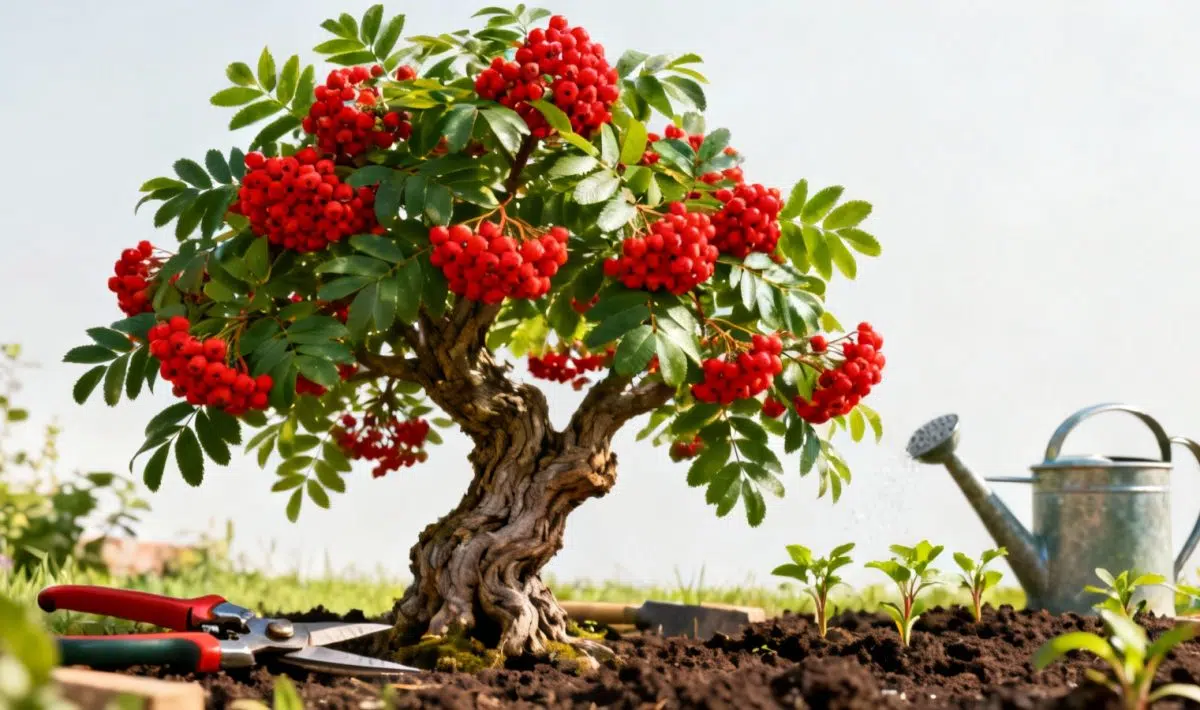
During late spring, clusters of small white fleurs emerge in flat-topped formations called corymbes. These fragrant blossoms attract numerous pollinators and eventually develop into the tree’s most recognizable feature – bright orange-red fruits that persist well into winter. The mountain-ash demonstrates exceptional cold hardiness, thriving in USDA zones 3-7, making it an excellent choice for northern climates.
The tree’s distinctive bark appears smooth and grey when young, gradually developing shallow furrows with age. Its racines system spreads moderately, creating stability without becoming invasive. This balanced growth pattern makes Sorbus aucuparia particularly suitable for mixed plantings and agroforestry systems.
Optimal growing conditions and sol requirements
European mountain-ash adapts to various soil types but performs best in well-draining, slightly acidic to neutral conditions. The tree tolerates both sandy and clay soils, provided drainage remains adequate. In heavy clay situations, consider amending the plante site with organic matter to improve water movement and root development.
Regarding light requirements, this adaptable ash tree thrives in full soleil to partial shade. While it produces the most abundant fleurs and fruits in sunny locations, it demonstrates remarkable tolerance for partial ombre conditions. This flexibility makes it valuable for understory plantings in agroforestry designs.
Water requirements remain moderate once established. Young trees benefit from consistent moisture during their first growing season, but mature specimens handle drought conditions reasonably well. The mountain-ash particularly excels in cooler, humid climates where it can express its full ornamental potential.
Seasonal care considerations
Spring marks the beginning of active growth for Sorbus aucuparia. During this period, apply a balanced fertilizer around the root zone and ensure adequate moisture as new growth emerges. The tree’s natural growth habit requires minimal intervention, but removing any winter-damaged branches helps maintain its attractive form.
Summer care focuses on monitoring water needs during extended dry periods. While established trees tolerate drought, supplemental watering during severe stress helps maintain fruit production and overall vitality. Much like care tips for common persimmon, consistent care during the growing season ensures optimal performance.
Autumn brings the reward of spectacular color displays and abundant fruit production. This season requires minimal intervention beyond enjoying the show and planning for winter preparations.
Propagation methods and techniques
Seed propagation represents the most common method for growing European mountain-ash. Fresh seeds require stratification – a cold treatment period that mimics natural winter conditions. Collect ripe fruits in autumn, extract the seeds, and store them in slightly moist sand at temperatures between 32-40°F for 60-90 days.
After stratification, sow seeds in spring using a well-draining potting mix. Cover seeds lightly, maintain consistent moisture, and provide bright, indirect light. Germination typically occurs within 2-4 weeks under optimal conditions. Young seedlings require protection from harsh weather and gradual acclimatization to outdoor conditions.
Grafting offers another propagation option, particularly for selected cultivars. Professional nurseries often use this technique to maintain specific characteristics or improve cold hardiness. However, seed propagation remains the most practical approach for home gardeners and small-scale projects.
Managing young plantes
Newly established mountain-ash trees require attentive care during their first few years. Provide regular watering, especially during dry spells, and maintain a 2-3 inch layer of organic mulch around the base. This practice conserves moisture, moderates soil temperature, and suppresses competing vegetation.
Pruning young trees focuses on developing strong structure rather than controlling size. Remove competing leaders, crossing branches, and any growth that creates narrow crotch angles. The goal involves establishing a central leader with well-spaced lateral branches that can support future fruit loads.
Ecological benefits and wildlife value
The European mountain-ash provides exceptional wildlife habitat and food sources throughout the year. Its dense fleurs attract numerous beneficial insects, including bees, butterflies, and beneficial predators. These pollinators contribute to overall garden health and biodiversity.
During late summer and autumn, the tree’s abundant fruits become crucial food sources for migrating and resident bird species. Thrushes, waxwings, and other songbirds rely heavily on these nutritious berries during critical periods. Unlike indoor plantes such as how to care for golden pothos, this outdoor specimen creates complex ecosystem relationships.
The tree’s tolerance for urban conditions makes it valuable for city forestry projects. It withstands air pollution, compacted soils, and other challenging urban environment factors while providing natural cooling and air purification benefits.
Practical applications and harvest considerations
Mountain-ash fruits offer practical uses beyond wildlife food. While quite tart when raw, these berries transform into delicious jellies, jams, and traditional beverages after proper preparation. Harvest fruits when fully colored but still firm, typically during late summer or early autumn.
Processing requires cooking to reduce astringency and improve palatability. Traditional European recipes incorporate these fruits into various preparations, from fermented beverages to medicinal teas. The high vitamin C content makes them valuable nutritional supplements during winter months.
In landscape design, Sorbus aucuparia serves multiple functions simultaneously. It provides seasonal interest, wildlife habitat, potential food production, and natural windbreak protection. This multifunctional approach aligns perfectly with sustainable gardening principles and permaculture design concepts.
Common challenges and solutions
Fire blight occasionally affects mountain-ash trees, particularly during warm, humid conditions. Prevention involves ensuring good air circulation, avoiding overhead watering, and maintaining overall tree health through proper nutrition and care practices.
Aphid infestations sometimes occur on young growth, but these typically resolve naturally through beneficial insect predation. Unlike more sensitive plantes such as growing and caring for catnip, mountain-ash demonstrates remarkable resilience against most pest issues.
Scale insects occasionally appear on branches, but horticultural oil applications during dormant seasons effectively control these pests without harming beneficial insects or birds that depend on the tree.
Integration into sustainable systems
European mountain-ash excels in agroforestry applications where multiple species work together to create productive, sustainable systems. Its moderate size allows integration with larger forest trees while providing intermediate canopy layers that enhance overall biodiversity.
The tree’s ability to fix nitrogen through its relationship with soil microorganisms benefits surrounding plantes. This natural fertilization process reduces the need for external inputs while improving soil health and structure over time.
Companion planting opportunities abound with mountain-ash. Understory shrubs, groundcover plantes, and even flowering annuals like tips for common lantana care can thrive beneath its filtered shade, creating diverse, productive garden ecosystems.
The European mountain-ash represents an outstanding choice for gardeners seeking beauty, functionality, and ecological benefits in a single tree. Its adaptability, ease of care, and multiple seasonal interests make it a valuable addition to any sustainable landscape design. Whether grown for wildlife habitat, ornamental value, or practical harvest, this remarkable tree delivers consistent performance with minimal maintenance requirements.

Allan is a lifelong gardening enthusiast who still gets excited when the first seedlings pop up in spring. With a deep love for nature and a hands-in-the-soil approach, he shares practical tips, plant discoveries, and clever tricks picked up over years of digging, planting, and observing. Whether you’re a new gardener or have a shed full of tools, Allan writes like a neighbor who’s always happy to swap cuttings and stories over the fence.
You can find more about Allan’s work on Malt or connect with him on LinkedIn.