
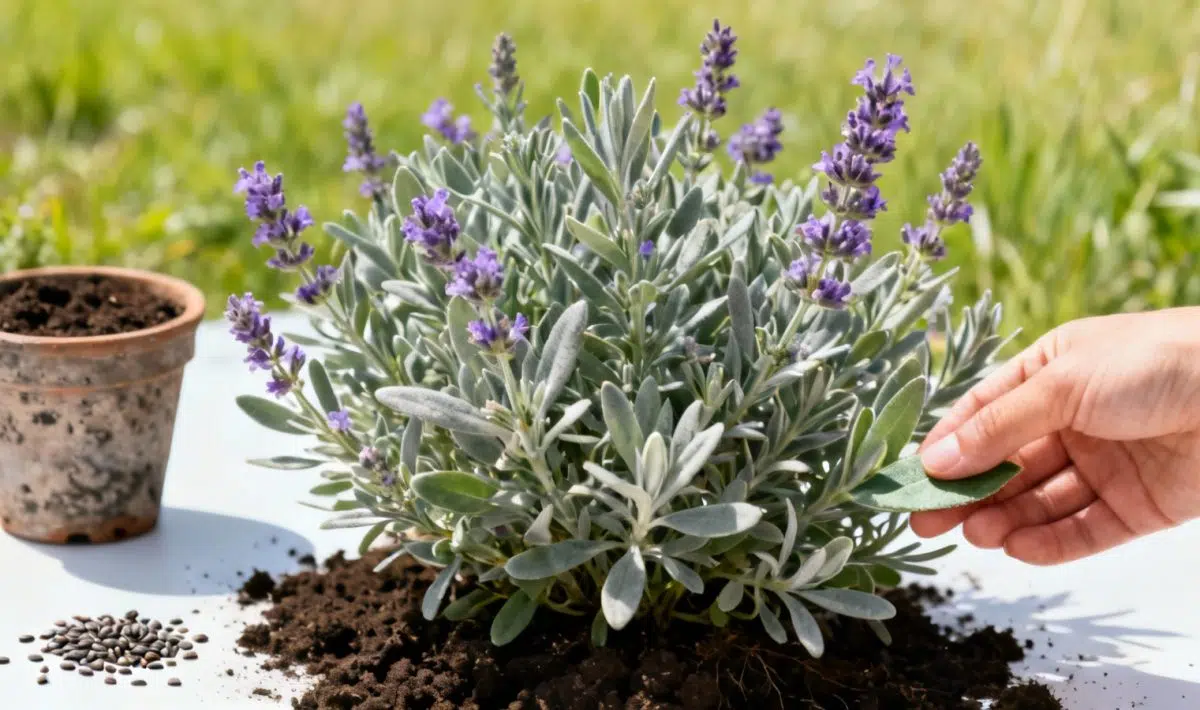
Today, I’m excited to share everything you need to know about catnip, also known as Nepeta cataria. This remarkable herb from the mint family has fascinated cat lovers and gardeners alike for centuries. Whether you’re looking to grow this delightful plant for your feline friends or explore its human uses, understanding its characteristics and proper care will ensure success in your garden.
Understanding catnip and its characteristics
Catnip is a hardy perennial herb that belongs to the mint family, reaching heights of 1 to 3 feet when fully mature. The plant produces distinctive gray-green leaves with a soft, downy texture and delicate white or pale purple flowers arranged in spikes. What makes this plant truly special is its active compound called nepetalactone, found primarily in the leaves and stems.
The nepetalactone gives catnip its characteristic minty aroma that drives most cats absolutely wild. Interestingly, about 70-80% of cats respond to this compound, while the remaining percentage shows little to no reaction. This genetic variation means your cat might be among those unaffected by this natural herb.
Beyond its effects on our feline companions, catnip has been used by humans for centuries as a mild sedative and digestive aid. Many people enjoy it as a relaxing tisane, particularly in the evening. The plant also serves as an excellent addition to herb gardens, attracting beneficial insects like bees and butterflies while naturally repelling certain pests.
Growing conditions and culture requirements
Successfully cultivating catnip requires understanding its preferred growing conditions. This resilient plant thrives in full sun, needing at least 6 hours of direct sunlight daily, though it can tolerate partial shade in hotter climates. The key to healthy plants lies in providing well-draining soil, as catnip absolutely despises waterlogged conditions.
When it comes to soil type, catnip isn’t particularly fussy. It grows well in average garden soil with a pH between 6.0 and 7.5. In fact, slightly poor soil often produces more concentrated essential oils in the leaves, making the plant more attractive to cats. Just like when caring for crown of thorns plants, ensuring proper drainage prevents most common problems.
Once established, catnip becomes remarkably drought-tolerant, making it perfect for low-maintenance gardens. During the first growing season, regular watering helps establish strong root systems, but mature plants rarely need supplemental watering except during extreme drought conditions.
Soil preparation and planting
Preparing your planting area properly sets the foundation for thriving catnip plants. Start by loosening the soil to a depth of 8-10 inches and incorporating a small amount of compost if your soil is particularly heavy clay. Avoid over-fertilizing, as rich soil can make the plants grow tall and floppy rather than compact and aromatic.
For container growing, choose pots at least 12 inches wide and deep, filling them with standard potting mix. Containers offer the advantage of mobility, allowing you to move plants to optimize sun exposure or protect them from curious cats who might destroy young plants with their enthusiasm.
Propagation methods for catnip
There are three main ways to propagate catnip: from graines, cuttings, or division. Each method has its advantages, and choosing the right one depends on your timeline and available resources.
Starting from graines
Growing catnip from graines offers the most cost-effective way to establish multiple plants. Start semis indoors 6-8 weeks before the last frost date, or direct sow in the garden after soil temperatures reach 65°F. The tiny graines need light to germinate, so barely cover them with a thin layer of fine soil.
Germination typically occurs within 7-14 days under consistent moisture and temperatures around 70°F. Once seedlings develop their second set of true leaves, transplant them to individual pots before moving to their permanent location. This method works similarly to growing rutabaga successfully, where timing and soil temperature matter significantly.
Propagation by cuttings
Taking cuttings provides an excellent way to reproduce a particularly vigorous plant or share with fellow gardeners. Cut 4-6 inch stems from healthy plants in late spring or early summer, removing the lower leaves and dipping the cut end in rooting hormone if desired.
Place cuttings in moist potting mix or even water, keeping them in bright, indirect light until roots develop. This process usually takes 2-3 weeks, after which you can transplant the rooted cuttings to their permanent homes.
Division of established plants
Mature catnip plants naturally spread through underground rhizomes, making division a natural propagation method. Every 3-4 years, dig up established clumps in early spring before active growth begins. Carefully separate the root system into sections, ensuring each division has both roots and shoots.
Replant divisions immediately at the same depth they were previously growing. This method guarantees plants identical to the parent and often rejuvenates older clumps that may have become woody in the center.
Care and maintenance throughout the growing season
Maintaining healthy catnip plants requires minimal effort once they’re established. Regular harvesting actually improves plant health and encourages fresh growth. Cut stems back by about one-third when plants reach 8-10 inches tall, typically in early summer before flowering begins.
To prevent excessive self-seeding, remove spent fleurs before they set graines, unless you want the plant to naturalize in your garden. Many gardeners appreciate catnip’s ability to fill in empty spaces, but containing its spread might be necessary in formal gardens. The approach differs from essential care for Ti plants, where controlled growth is always preferred.
Pest problems are rarely serious with catnip, as its natural oils repel many common garden insects. However, watch for aphids during hot, dry periods and treat with insecticidal soap if necessary. The plant’s mint family heritage makes it naturally resistant to most diseases, though ensuring good air circulation prevents potential fungal issues.
Harvesting and preservation
The best time to harvest catnip for maximum potency is just before the fleurs open, typically in mid-morning after dew has dried. Cut stems about halfway down the plant, leaving enough growth for the plant to recover quickly.
For drying, bundle small bunches of stems and hang them in a warm, airy location away from direct sunlight. Once completely dry, strip the feuilles from stems and store them in airtight containers. Properly dried catnip retains its potency for up to two years.
Uses and benefits beyond cat entertainment
While cats certainly appreciate catnip’s euphoric effets, humans have used this versatile herb for various purposes throughout history. The dried feuilles make an excellent calming tisane, often combined with other herbs like chamomile for enhanced relaxation. Many people find catnip tea helpful for settling upset stomachs or promoting restful sleep.
In the garden, catnip serves as a companion plant that attracts beneficial pollinators while deterring harmful insects. Its strong aroma repels mosquitoes, ants, and even mice, making it valuable around patios and outdoor seating areas. Similar to how learn about painted-leaf begonias can enhance indoor spaces, catnip adds both beauty and function to outdoor gardens.
Essential huile extracted from catnip contains concentrated nepetalactone and has shown promise as a natural insect repellent. Some commercial products now incorporate catnip oil as an alternative to synthetic chemicals, though it requires more frequent application than conventional repellents.
While Nepeta cataria remains the classic catnip variety, several related species offer different characteristics for garden use. Nepeta mussinii, commonly called catmint, produces more attractive fleurs and maintains a more compact growth habit, making it better suited for ornamental purposes.
Other Nepeta variétés like ‘Walker’s Low’ and ‘Six Hills Giant’ provide excellent ground cover options with extended blooming periods. These ornamental types typically have less effect on cats but offer superior garden performance and longer-lasting floral displays. The diversity mirrors what you’ll find when exploring tips for caring for common lantana, where different varieties serve different garden purposes.
When selecting variétés, consider your primary goal: maximum cat appeal, ornamental value, or practical uses like insect control. Traditional Nepeta cataria provides the strongest response in cats, while ornamental types focus more on visual appeal and garden performance.
Common challenges and solutions
Most growing problems with catnip stem from overwatering or poorly draining soil. If plants develop yellow leaves or appear stunted, improve drainage by adding organic matter or relocating to a more suitable site. Container-grown plants may need repotting if they become waterlogged frequently.
Cat damage can be a significant challenge when growing catnip, as enthusiastic felines may destroy young plantes through excessive rolling and chewing. Protect seedlings with wire cages until they’re large enough to withstand feline attention, or grow plants in elevated containers initially.
Some gardeners find that cats lose interest in catnip plants once they’ve had their fill, allowing the plante to recover and regrow. Providing alternative sources of dried catnip can sometimes redirect cats’ attention away from growing plants, preserving your garden investment while still satisfying your pet’s needs.

Allan is a lifelong gardening enthusiast who still gets excited when the first seedlings pop up in spring. With a deep love for nature and a hands-in-the-soil approach, he shares practical tips, plant discoveries, and clever tricks picked up over years of digging, planting, and observing. Whether you’re a new gardener or have a shed full of tools, Allan writes like a neighbor who’s always happy to swap cuttings and stories over the fence.
You can find more about Allan’s work on Malt or connect with him on LinkedIn.


