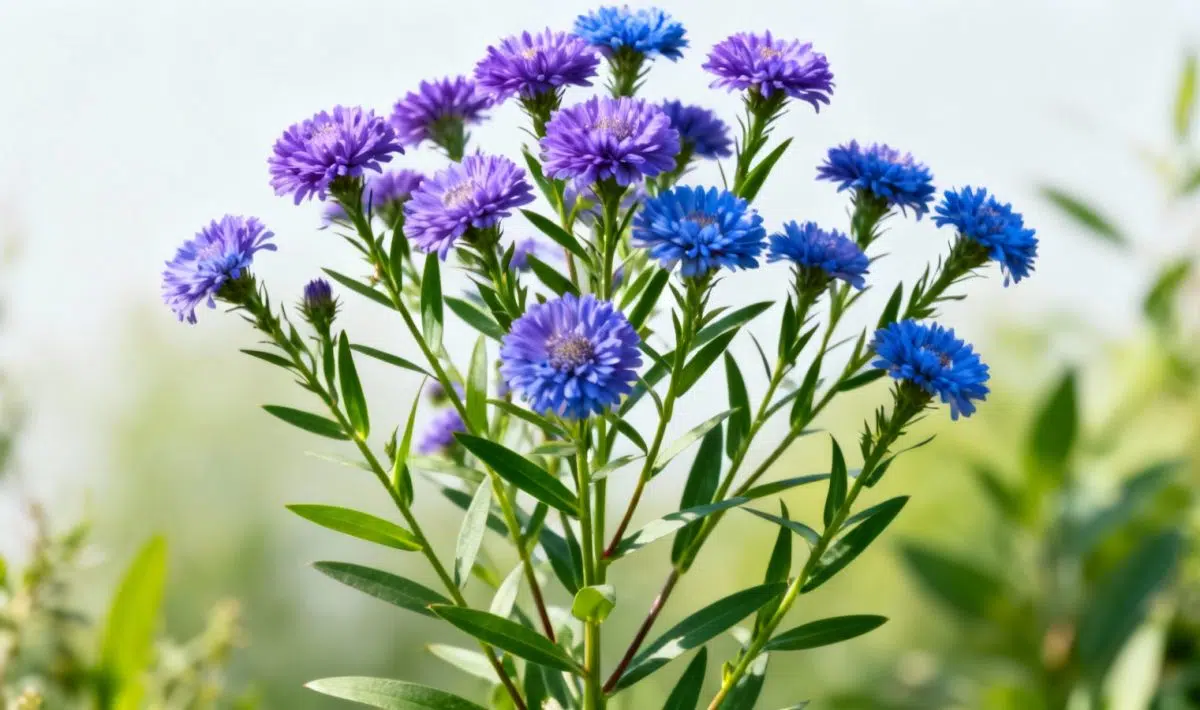
The New York aster, scientifically known as Symphyotrichum novi-belgii, stands out as one of the most rewarding fall-blooming plants you can add to your garden. This native North American species brings vibrant purple, pink, or white flowers that dance in autumn breezes, creating a stunning display just when most other plants are beginning to fade.
Understanding New york aster characteristics
This remarkable aster typically reaches heights between 3 to 6 feet, making it an excellent choice for back borders or naturalized areas. The flowers emerge in dense clusters, each bloom featuring numerous thin petals surrounding a bright yellow center. The lance-shaped leaves grow alternately along sturdy stems, creating a full, bushy appearance that provides excellent structure throughout the growing season.
What makes this species particularly special is its incredible adaptability. Unlike many garden plants that demand specific conditions, the New York aster thrives in various soil types including clay, loam, and sandy soils. This flexibility makes it an ideal choice for gardeners dealing with challenging growing conditions.
Optimal growing conditions for successful cultivation
Creating the right environment for your New York aster ensures vigorous growth and abundant blooms. These plants perform best in full sun locations, requiring at least six hours of direct sunlight daily. However, they’ll tolerate partial shade, though you might notice fewer flowers in such conditions.
Soil preparation plays a crucial role in plant health. While these asters adapt to various soil types, they prefer well-draining ground with consistent moisture. Poor drainage can lead to root rot, particularly during winter months. Adding organic matter like compost improves both drainage and soil fertility, creating an ideal growing environment.
The species demonstrates remarkable cold hardiness, surviving in USDA zones 4 through 8. This wide tolerance range makes it suitable for gardens across much of North America, from northern Canada down to the southern United States.
Essential care and maintenance practices
Proper care begins with consistent watering, especially during establishment. Young plants need regular moisture but avoid overwatering, which can cause root problems. Once established, these asters show good drought tolerance, though they’ll perform better with supplemental watering during dry spells.
Fertilization should be moderate and balanced. Too much nitrogen encourages excessive foliage growth at the expense of flowers. A balanced, slow-release fertilizer applied in early spring provides adequate nutrition for the entire growing season. Avoid fertilizing late in the season, as this can reduce winter hardiness.
Pruning and deadheading require attention throughout the growing season. Pinching back stems in early summer encourages bushier growth and more flower production. Remove spent blooms regularly to extend the flowering period and prevent excessive self-seeding, though some gardeners appreciate the natural reseeding that occurs.
For gardeners exploring other low-maintenance options, consider learning about care tips for common lantana, which offers similar ease of cultivation with different seasonal interest.
Propagation methods and techniques
Growing New York asters from seed provides an economical way to establish large plantings. Collect seeds in late fall after flower heads have dried completely. The seeds require cold stratification, so either sow them directly in fall or store them in the refrigerator for spring planting.
Division represents the most reliable propagation method and helps maintain plant vigor. Divide established clumps every 3 to 4 years in early spring or fall. Carefully dig up the entire root system and use a sharp knife or spade to separate sections, ensuring each division has both roots and shoots.
Cuttings offer another propagation option, particularly useful for maintaining specific cultivars. Take 4 to 6-inch softwood cuttings in early summer, remove lower leaves, and place them in a rooting medium. Keep the cuttings consistently moist and provide bright, indirect light until roots develop.
Those interested in expanding their knowledge of plant propagation might find value in exploring growing tips for Ti plant, which demonstrates different techniques for tropical species cultivation.
Common challenges and solutions
Powdery mildew can affect New York asters, particularly in humid conditions with poor air circulation. Prevent this fungal issue by providing adequate spacing between plants and avoiding overhead watering. If mildew appears, remove affected foliage and improve air circulation around the plants.
Aphids occasionally target tender new growth, especially in spring and early summer. These small insects can be controlled with insecticidal soap or by encouraging beneficial insects like ladybugs and lacewings. Regular monitoring helps catch infestations early when they’re easier to manage.
Root rot becomes problematic in poorly draining soils, particularly during wet seasons. Ensure proper drainage during site preparation, and avoid planting in areas where water tends to collect. If drainage remains an issue, consider creating raised beds or mounded planting areas.
For gardeners dealing with various plant health challenges, studying how to grow rutabaga can provide insights into managing different soil and pest conditions across various plant types.
Landscape design and companion planting
New York asters excel in naturalized settings where their spreading habit can be appreciated. They work beautifully in prairie-style gardens, rain gardens, and wildlife-friendly landscapes. Their late-season blooms provide crucial nectar for migrating butterflies and late-emerging bees.
Excellent companion plants include other native perennials like goldenrod, joe-pye weed, and ornamental grasses. These combinations create dynamic displays that change throughout the seasons while supporting local ecosystems. The asters’ purple and pink tones complement the yellow flowers of goldenrod particularly well.
In formal garden settings, use New York asters as background plants or in mixed perennial borders. Their height and fall blooming time make them excellent partners for spring and summer flowering perennials, extending the garden’s season of interest well into autumn.
Gardeners working with challenging indoor conditions might also appreciate learning about caring for painted-leaf begonia, which offers year-round foliage interest as a complement to outdoor seasonal displays.
Seasonal care calendar
Spring marks the beginning of active care, when new growth emerges and division can be performed. Apply balanced fertilizer and begin regular watering schedules. This season also provides the best opportunity for transplanting or establishing new plantings.
Summer care focuses on maintenance and monitoring. Pinch back stems in early summer to encourage branching, and begin regular deadheading as flowers appear. Monitor for pest and disease issues, addressing problems promptly to prevent spread.
Fall brings the reward of abundant blooms and seed collection opportunities. Allow some flowers to go to seed for wildlife and natural reseeding, but remove others to extend flowering. Begin planning for division projects the following spring.
Winter preparation involves cutting back spent stems to ground level after hard frost. In colder zones, a light mulch around the crown provides additional protection, though established plants rarely need such measures.
For those seeking year-round garden interest, exploring tips for crown of thorns care can add structure and blooms during months when perennials like asters are dormant.
Environmental benefits and conservation
Growing native plants like the New York aster contributes significantly to local ecosystem health. These plants support native insects, birds, and other wildlife in ways that non-native species simply cannot match. The late-season nectar provides crucial fuel for migrating butterflies, while the seeds feed various songbird species.
This species also demonstrates excellent environmental adaptability, requiring minimal inputs once established. Reduced need for fertilizers, pesticides, and supplemental watering makes it an environmentally responsible choice for sustainable gardening practices.
By choosing native species like Symphyotrichum novi-belgii, gardeners participate in broader conservation efforts while creating beautiful, functional landscapes. These plants help preserve genetic diversity and maintain connections between fragmented habitats in urban and suburban areas.

Allan is a lifelong gardening enthusiast who still gets excited when the first seedlings pop up in spring. With a deep love for nature and a hands-in-the-soil approach, he shares practical tips, plant discoveries, and clever tricks picked up over years of digging, planting, and observing. Whether you’re a new gardener or have a shed full of tools, Allan writes like a neighbor who’s always happy to swap cuttings and stories over the fence.
You can find more about Allan’s work on Malt or connect with him on LinkedIn.