
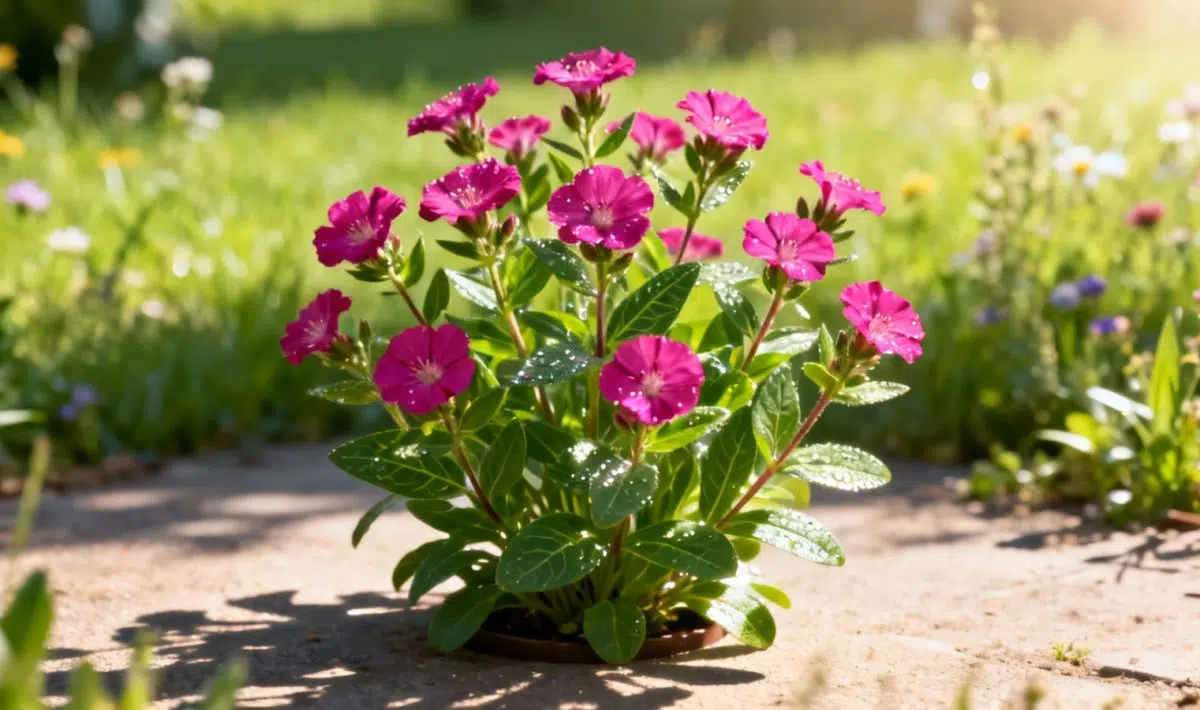
When it comes to growing Rose campion in your garden, understanding how much sunlight does Rose campion need is absolutely crucial for success. This stunning silver-leafed perennial, scientifically known as Lychnis coronaria, transforms any garden space with its vibrant magenta flowers and distinctive woolly foliage. However, achieving those breathtaking blooms requires getting the light conditions just right.
Understanding Rose campion’s natural habitat and light preferences
Rose campion originates from the rocky, sun-drenched hillsides of southeastern Europe, where it naturally thrives under intense sunlight. This heritage explains why these hardy perennials crave bright, direct light to reach their full potential. In their native environment, they’ve adapted to withstand harsh conditions while producing an abundance of flowers during peak growing season.
The plant’s distinctive silver-gray foliage actually serves as a natural sun protection system. These fuzzy leaves reflect excess light and help the plant conserve moisture during hot summer days. This adaptation makes Rose campion particularly well-suited for sunny garden locations where other flowers might struggle.
Optimal sunlight requirements for maximum flowering
For the most spectacular display, Rose campion requires at least 6 hours of direct sunlight daily. This full sun exposure ensures robust growth, abundant flowering, and the characteristic intense color that makes these plants so desirable. Much like how you’d consider the sunlight requirements for strawberries, proper light exposure directly impacts the plant’s overall health and productivity.
When grown in optimal conditions, Rose campion produces flowers continuously from late spring through early fall. The blooming period typically peaks during July and August, when the combination of warm temperatures and long daylight hours creates perfect growing conditions.
Comparing full sun versus partial shade conditions
While Rose campion can tolerate some shade, the difference in performance is quite noticeable. Plants grown in full sun develop stronger stems, more compact growth, and significantly more flowers compared to those in partial shade. The flower color also tends to be more vibrant and intense under bright light conditions.
In partial shade situations, Rose campion often becomes leggy and produces fewer blooms. The plants may also be more susceptible to fungal issues due to reduced air circulation and slower moisture evaporation from the leaves.
Selecting the perfect garden location
Choose a south-facing location that receives morning through afternoon sun for best results. Areas that get some protection from harsh late afternoon sun in extremely hot climates can actually benefit the plants. Similar to planning for light exposure for kousa dogwood, consider your local climate conditions when positioning these plants.
Avoid low-lying areas where moisture tends to collect, as Rose campion prefers well-draining soil combined with bright light. Elevated positions or gentle slopes work particularly well for this Mediterranean native.
Starting from quality seeds for successful cultivation
Investing in high-quality Lychnis coronaria seeds makes an enormous difference in your garden’s success. Premium seeds typically have higher germination rates, stronger initial growth, and better resistance to environmental stresses. When shopping for seeds, look for suppliers who provide detailed growing information and have positive customer feedback.
Quality seeds often come from plants that were grown under optimal conditions, meaning they’re more likely to produce vigorous offspring. These genetics become particularly important when you’re trying to establish a thriving colony of Rose campion in your garden.
Germination and early growth considerations
Fresh seeds typically germinate within 2-3 weeks when kept at temperatures around 65-70°F. During the germination phase, seedlings need bright light but should be protected from harsh direct sun until they develop their first true leaves. Just as you’d carefully manage light conditions for delicate species like sunlight needs for prayer plants, young Rose campion seedlings require gradual introduction to full sun exposure.
Once established, these hardy perennials become increasingly drought-tolerant and sun-loving. First-year plants may not bloom heavily, but they’ll develop strong root systems that support spectacular flowering in subsequent seasons.
Practical growing tips for optimal results
Space your Rose campion plants approximately 12-18 inches apart to ensure adequate air circulation and light penetration. This spacing allows each plant to receive maximum sunlight while preventing overcrowding that could lead to fungal problems.
Consider the mature height of 2-3 feet when planning your garden layout. These plants work beautifully as middle-border perennials, where they can receive full sun without shading shorter plants in front of them.
Seasonal care and maintenance
During peak growing season, monitor your plants for signs of adequate light exposure. Healthy Rose campion displays compact growth with silver-green foliage and abundant flower production. Plants receiving insufficient light often become tall and spindly with sparse blooming.
The beauty of Rose campion extends beyond just flowering season. The silvery foliage provides excellent contrast in garden designs, much like how sunlight for healthy common yarrow produces attractive foliage throughout the growing season.
If your Rose campion isn’t flowering as expected, insufficient sunlight is often the culprit. Plants receiving less than 6 hours of direct sun typically produce weak, sparse blooms and may have a shorter flowering period overall.
Another common issue occurs when plants are positioned too close to larger shrubs or trees that create moving shade patterns throughout the day. Rose campion performs best with consistent, uninterrupted sunlight rather than dappled or intermittent exposure.
Maximizing success with proper plant selection
When purchasing seeds or plants, verify that you’re getting true Lychnis coronaria varieties. Some sellers offer similar-looking species that may have different light requirements. Authentic Rose campion seeds from reputable sources ensure you get plants with the classic sun-loving characteristics.
For gardeners in particularly hot climates, consider varieties that have been selected for heat tolerance while maintaining the traditional sunlight requirements. These improved cultivars often perform better during extreme summer conditions without sacrificing flower quality.
Creating the ideal growing environment
Combine proper sunlight exposure with well-draining soil for optimal results. Rose campion actually prefers slightly poor soil conditions, similar to its native rocky habitat. Rich, heavily fertilized soil can lead to excessive foliage growth at the expense of flowering.
Water newly planted seeds and seedlings regularly until established, then reduce watering frequency. Mature plants are remarkably drought-tolerant and actually flower better when not pampered with excessive moisture. This approach mirrors successful cultivation techniques used for other sun-loving perennials like light needs for trumpet creeper.
Long-term garden planning
Rose campion readily self-seeds when grown in optimal conditions, creating natural colonies over time. Allow some flowers to go to seed if you want this self-propagating behavior. The resulting seedlings will often display slight variations in flower color and plant characteristics.
Plan for the biennial nature of some Rose campion varieties by starting new plants every other year. This ensures continuous blooms even if some plants complete their lifecycle. For those seeking vibrant, exotic blooms in sunny locations, consider pairing Rose campion with heat-tolerant species like optimal sunlight for red frangipani in container arrangements.
Success with Rose campion ultimately comes down to providing the abundant sunlight these Mediterranean natives crave. With proper light exposure and quality seeds, you’ll enjoy years of stunning silver foliage and brilliant magenta blooms that transform any sunny garden space into a showstopper.

Allan is a lifelong gardening enthusiast who still gets excited when the first seedlings pop up in spring. With a deep love for nature and a hands-in-the-soil approach, he shares practical tips, plant discoveries, and clever tricks picked up over years of digging, planting, and observing. Whether you’re a new gardener or have a shed full of tools, Allan writes like a neighbor who’s always happy to swap cuttings and stories over the fence.
You can find more about Allan’s work on Malt or connect with him on LinkedIn.


