
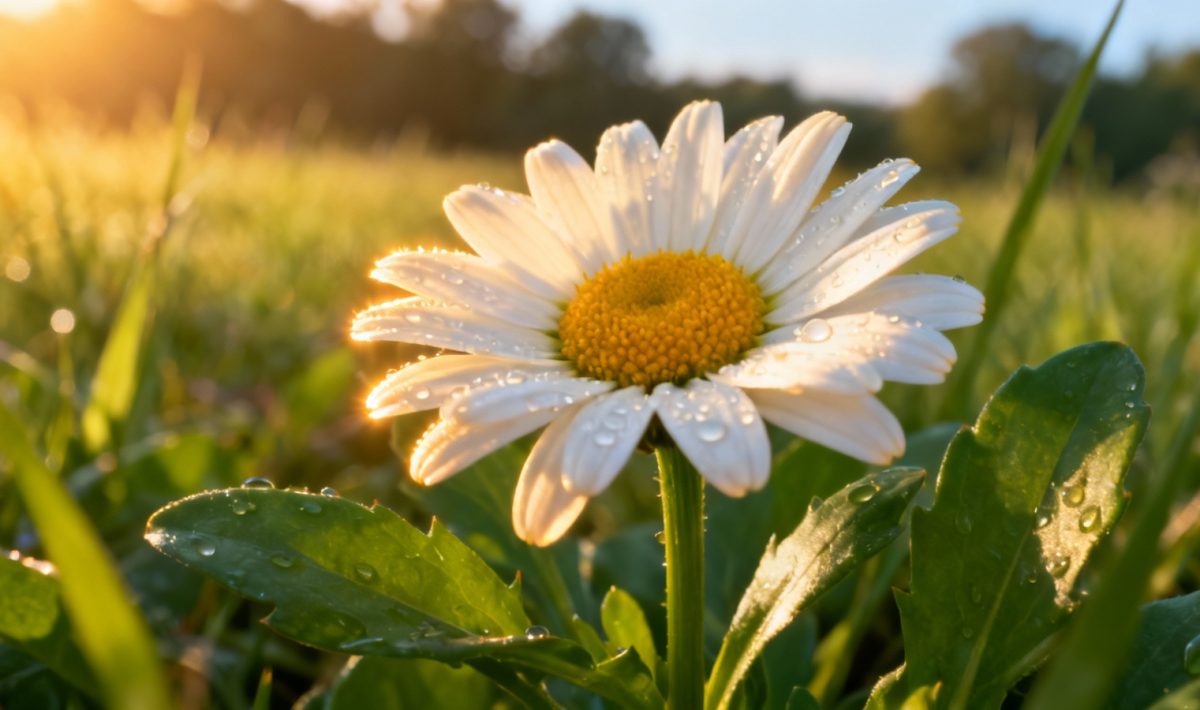
Growing beautiful Shasta daisies starts with understanding their fundamental need for proper sunlight exposure. These cheerful perennial flowers thrive when you provide them with the right balance of sun and care. How much sunlight does Shasta daisy need? The answer is crucial for achieving those stunning white blooms that make these flowers so beloved by gardeners everywhere.
Shasta daisies are remarkably rewarding plants that will transform your garden with their classic beauty. With the right growing conditions and quality seeds, you can enjoy these magnificent flowers from spring through fall.
Understanding Shasta daisy sunlight requirements
Shasta daisies perform best in full sun conditions, requiring at least 6 hours of direct sunlight daily for optimal growth and flowering. This perennial wildflower develops its most vibrant blooms when exposed to consistent, bright light throughout the day. The intense sunlight helps produce the characteristic white petals with bright yellow centers that make these flowers so perfect for cutting gardens.
However, these adaptable plants can also tolerate partial shade, especially in regions with extremely hot summers. In areas where temperatures regularly exceed 85°F, providing afternoon shade can actually benefit the plants by preventing heat stress and extending the blooming period.
Full sun benefits for Shasta daisies
When grown in full sun conditions, Shasta daisies develop stronger stems, more abundant flowers, and better overall plant health. The intense light encourages compact growth and prevents the leggy appearance that often occurs in shadier locations. Your plants will also show improved resistance to common diseases when they receive adequate sunlight.
Full sun exposure ensures that the chrysanthemum-like blooms reach their maximum size and maintain their pristine white color throughout the growing season. This makes them ideal for customers who want reliable, low-maintenance perennial options for their gardens.
Partial shade tolerance
While full sun is preferred, Shasta daisies can adapt to partial shade conditions with 4-6 hours of direct sunlight daily. In these situations, you might notice slightly fewer flowers and taller, more elongated stems as the plants stretch toward available light sources.
The partial shade option works particularly well in mixed perennial borders where other plants provide natural filtering of intense afternoon sun. This flexibility makes Shasta daisies versatile choices for various garden designs and microclimates.
Optimal planting conditions for maximum blooms
Creating the perfect environment for your Shasta daisy seeds involves more than just sunlight considerations. Proper soil preparation, timing, and ongoing care all contribute to successful establishment and long-term flowering performance.
The best planting results come from combining full sun exposure with well-draining soil and consistent moisture during the establishment period. These conditions mirror the natural habitat preferences of this hardy perennial wildflower.
Soil preparation and planting timing
Before planting your Shasta daisy seeds, prepare the soil by ensuring good drainage and incorporating organic matter. These plants prefer neutral to slightly alkaline soil conditions with a pH between 6.0 and 7.5. Working compost or aged manure into the planting area will improve both drainage and fertility.
Spring planting typically produces the best results, allowing plants to establish strong root systems before facing summer heat stress. For optimal timing, start seeds indoors 6-8 weeks before your last expected frost date, then transplant outdoors after soil temperatures consistently reach 60°F.
Many customers who have bought our premium seed varieties report excellent germination rates when following these recommended planting windows. The fast shipping ensures your seeds arrive fresh and ready for immediate planting.
Watering and maintenance requirements
Established Shasta daisies are relatively drought-tolerant but perform best with consistent moisture during active growth periods. Water deeply but infrequently, allowing soil to dry slightly between waterings to prevent root rot issues.
During peak summer months, morning watering is recommended to reduce evaporation and minimize fungal disease risks. Much like sunlight requirements for growing pineapple, consistent care during establishment leads to better long-term performance.
Regular deadheading of spent flowers encourages continued blooming throughout the season. This simple maintenance task keeps your plants looking fresh and promotes the development of new flower buds for extended color in your garden beds.
Variety selection and growing success
Different Shasta daisy varieties may have slightly varying light requirements, though most cultivars share similar preferences for bright, sunny locations. Popular varieties like ‘Becky’, ‘Alaska’, and ‘Snow Lady’ all thrive in full sun conditions while offering unique characteristics in terms of height, bloom size, and flowering duration.
When selecting seeds, consider your specific growing conditions and desired garden design. Compact varieties work well in containers or front border positions, while taller cultivars make excellent background plants or cutting flowers.
Commercial seed quality and availability
High-quality seeds from reputable suppliers ensure better germination rates and more vigorous plants that can better utilize available sunlight for optimal growth. Our store maintains fresh stock of premium Shasta daisy varieties, with detailed growing instructions included with each item to help guarantee your success.
Professional-grade seeds undergo careful testing and storage to maintain viability, ensuring that customers receive products ready for immediate planting. The price point for quality seeds represents excellent value when you consider the years of blooms these perennial plants will provide.
Free shipping on qualifying orders makes it convenient to purchase multiple varieties or combine with other wildflower seeds for diverse garden plantings. This service has always been appreciated by customers who want to try different cultivars without additional delivery costs.
Troubleshooting common growing challenges
Plants that receive insufficient sunlight often develop weak, spindly growth and reduced flowering. If your daisies appear stretched or produce fewer blooms than expected, consider relocating them to a sunnier spot in your garden for the following growing season.
Conversely, in extremely hot climates, providing some afternoon shade can prevent heat stress that manifests as wilted foliage or reduced flower production. Understanding the balance between adequate light and protection from excessive heat helps ensure consistent performance year after year.
Similar to how optimal sunlight for watermelon growth requires careful attention to light conditions, Shasta daisies benefit from monitoring and adjusting their environment as needed for best results.
Seasonal care and long-term success
Understanding how sunlight needs change throughout the growing season helps maintain healthy, productive Shasta daisy plants year after year. These perennials adapt to seasonal light variations but consistently perform best when their fundamental sun requirements are met.
Spring emergence benefits from gradually increasing light exposure as plants develop new growth. Summer maintenance focuses on adequate moisture and protection from extreme heat, while fall care involves preparing plants for winter dormancy.
Maximizing bloom production
Peak flowering occurs when plants receive consistent full sun exposure combined with proper nutrition and moisture management. Regular fertilization with balanced, slow-release fertilizers supports continuous bloom development throughout the active growing season.
Dividing established clumps every 3-4 years rejuvenates older plants and provides opportunities to expand your plantings or share with fellow gardeners. This practice maintains vigorous growth and prevents overcrowding that can reduce flowering performance.
Just as sunlight needs for growing spearmint involves understanding seasonal changes, successful Shasta daisy cultivation requires adapting care practices to support optimal light utilization throughout the year.
Integration with other garden plants
Shasta daisies complement many other sun-loving perennials and annuals in mixed plantings. Their clean white blooms provide excellent contrast with colorful flowers while their sturdy growth habit makes them reliable anchor plants in perennial borders.
Consider pairing them with plants that have similar light requirements but different bloom times to extend seasonal interest. Early spring bulbs, summer annuals, and fall-blooming perennials all work well with Shasta daisies in cohesive garden designs.
The versatility of these flowers makes them popular choices for customers planning comprehensive landscape renovations or simple garden upgrades. Their compatibility with various growing conditions, including the bright exposure needed by sunlight for vibrant sulfur cosmos blooms, makes them excellent foundation plants.
Professional growing recommendations
Successfully growing Shasta daisies from seeds requires attention to detail during the critical establishment phase. Professional growers recommend starting with fresh, high-quality seeds and providing consistent conditions that mirror the plants’ natural preferences for bright, sunny locations.
Temperature control during germination, proper spacing for air circulation, and gradual acclimation to outdoor conditions all contribute to stronger plants that better utilize available sunlight for optimal growth and flowering.
Advanced cultivation techniques
Experienced growers often use succession planting techniques to extend the blooming season and ensure continuous flower availability for cutting purposes. Staggered sowings every 2-3 weeks during the optimal planting window can provide flowers from early summer through fall.
Container growing allows precise control over growing conditions and makes it possible to move plants to optimize sun exposure as seasons change. This technique works particularly well for customers with limited garden space or those who want flexibility in garden design.
Understanding the relationship between light exposure and plant development, much like the principles governing sunlight essential for hydrangea blooms, helps achieve consistently impressive results with Shasta daisies.
Quality assurance and customer satisfaction
Our commitment to providing customers with premium seeds backed by comprehensive growing support ensures successful outcomes for gardeners at all skill levels. Detailed planting instructions, troubleshooting guides, and ongoing customer service support accompany every order.
The combination of quality products, competitive pricing, and reliable service has earned consistent positive feedback from customers who appreciate both the seeds and the support provided. Many customers return season after season to expand their plantings or try new varieties.
Fast, reliable shipping ensures that seeds arrive in optimal condition and ready for immediate planting when growing conditions are ideal. This attention to logistics details contributes significantly to overall customer satisfaction and growing success.
Whether you’re establishing a new perennial border or adding reliable color to existing plantings, understanding proper sunlight requirements is fundamental to achieving beautiful results with Shasta daisies. These adaptable plants reward proper care with years of dependable blooms that brighten any garden setting.
For indoor plant enthusiasts who also garden outdoors, the principles of light management apply across different growing situations. Much like determining healthy growth conditions for kentia palm requires understanding specific light needs, successful Shasta daisy cultivation depends on meeting their fundamental sunlight requirements for optimal performance.

Allan is a lifelong gardening enthusiast who still gets excited when the first seedlings pop up in spring. With a deep love for nature and a hands-in-the-soil approach, he shares practical tips, plant discoveries, and clever tricks picked up over years of digging, planting, and observing. Whether you’re a new gardener or have a shed full of tools, Allan writes like a neighbor who’s always happy to swap cuttings and stories over the fence.
You can find more about Allan’s work on Malt or connect with him on LinkedIn.


