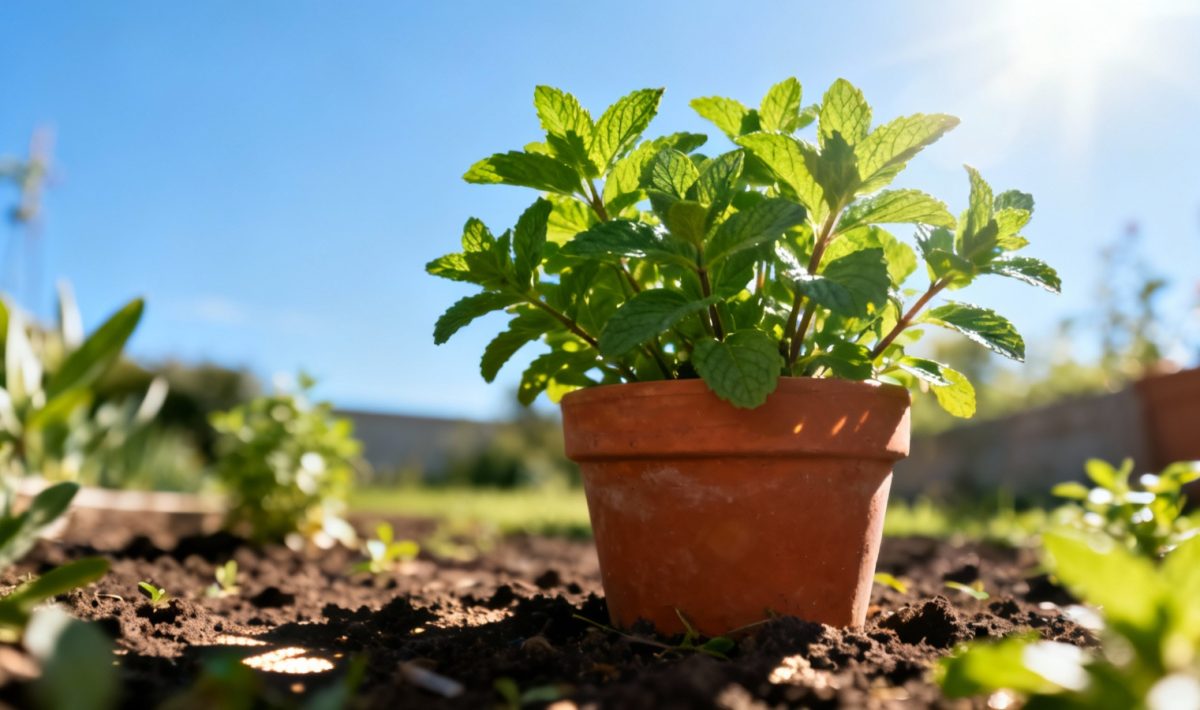
How much sunlight does spearmint need for optimal growth
Growing spearmint (Mentha spicata) successfully starts with understanding its fundamental sunlight requirements. This aromatic herb thrives when you provide the right balance of light exposure, making it essential to know exactly how much sunlight your spearmint needs for optimal growth. Whether you’re cultivating spearmint seeds in your garden or growing plants in containers, proper sun exposure will determine the health and flavor intensity of your fresh mint harvest.
Spearmint performs best with 6 to 8 hours of direct sunlight daily, though it can tolerate partial shade conditions remarkably well. This flexibility makes mentha spicata an excellent choice for various garden locations and growing conditions. The plant’s ability to adapt to different light levels means you can successfully grow spearmint even if your garden doesn’t receive full sun throughout the day.
In regions with intense summer heat, some afternoon shade actually benefits spearmint plants by preventing excessive water loss and leaf scorching. This natural protection helps maintain the plant’s vigor while preserving the essential oils that give spearmint its distinctive aroma and flavor. For gardeners in particularly hot climates, providing morning sun with afternoon protection often yields the best results.
Optimal growing conditions for spearmint cultivation
The best exposure for your garden spearmint involves choosing a location that receives morning sunlight, which is generally gentler and more beneficial than harsh afternoon rays. Morning light helps the plant photosynthesize efficiently while avoiding the stress that can come from intense midday heat. This timing also allows the soil to warm gradually, promoting healthy root development.
When selecting your planting site, consider that spearmint grown in full sun will typically have more concentrated flavors and higher essential oil content. However, plants in partial shade often grow more lush and green, which can be preferable if you plan to harvest large quantities of fresh leaves for culinary use.
For indoor cultivation, placing your pots near a south-facing window provides the most consistent light throughout the day. You can supplement natural light with grow lights if necessary, especially during winter months when daylight hours are reduced. Just as you might consider sunlight requirements for cucumber plants when planning your garden layout, understanding spearmint’s needs helps ensure successful cultivation.
Signs of proper light exposure
Well-lit spearmint plants display several characteristic signs that indicate they’re receiving adequate sunlight. The leaves should appear vibrant green with a slightly glossy texture, and the plant should grow in a compact, bushy manner rather than becoming tall and spindly. Healthy spearmint produces new growth regularly and maintains its aromatic intensity.
Plants receiving insufficient light often become leggy, with elongated stems and pale, less flavorful leaves. The spacing between leaf nodes increases as the plant stretches toward available light sources. If you notice these symptoms, consider relocating your spearmint to a brighter location or supplementing with artificial lighting.
Conversely, too much intense sunlight can cause leaf edges to brown or curl, indicating heat stress. In such cases, providing some afternoon shade or increasing watering frequency can help protect your plants while maintaining their health and productivity.
Maximizing sunlight for container growing
When growing spearmint in pots, you have the advantage of mobility, allowing you to move plants to optimize their sun exposure throughout the day or season. This flexibility is particularly valuable during extreme weather conditions or when adjusting to seasonal light changes.
Choose containers that are light-colored to reflect heat and prevent root overheating in full sun conditions. Dark pots can absorb excessive heat, potentially damaging the root system even when the foliage appears healthy. Adequate drainage remains crucial, as spearmint in sunny locations will require more frequent watering.
Consider the mature size of your spearmint when selecting pot sizes, as larger containers retain moisture better and provide more stable growing conditions. This stability becomes especially important when plants are exposed to full sun for extended periods, as smaller pots dry out more quickly and may stress the plants.
Seasonal light considerations
Spearmint’s light requirements can vary throughout the growing season, with spring and early summer being the most critical periods for establishing strong growth patterns. During these months, providing consistent morning sunlight helps young plants develop robust root systems and dense foliage.
As summer intensifies, monitor your plants for signs of heat stress and adjust their exposure accordingly. Some gardeners find success using shade cloth during the hottest parts of summer, similar to how you might protect other garden plants like optimal sunlight for sycamore trees that require careful light management.
Fall typically brings ideal growing conditions for spearmint, with moderate temperatures and adequate daylight allowing for excellent leaf production before winter dormancy. This is often the best time for harvesting and preserving your spearmint crop.
Troubleshooting common light-related issues
Poor growth or lackluster flavor in spearmint often traces back to inadequate lighting conditions. If your plants seem sluggish or produce weak-tasting leaves, gradually increasing their sun exposure can help restore vigor and enhance their aromatic qualities.
Yellowing leaves may indicate either insufficient light or excessive heat stress, making it important to observe the overall growing conditions rather than focusing solely on light duration. Proper soil moisture and good air circulation work together with appropriate lighting to maintain plant health.
For gardeners dealing with challenging growing conditions, understanding how different plants adapt to varying light levels can provide valuable insights. For instance, learning about sunlight needs of stinging nettle or sunlight conditions for Chinese privet can help you better understand plant adaptation strategies.
Practical tips for success
Start your spearmint seeds or plants with gradually increasing sun exposure, especially if they’ve been growing in protected conditions. This hardening process helps them adapt to direct sunlight without experiencing shock that could set back their growth.
Keep a simple garden journal noting how your spearmint responds to different light conditions throughout the season. This record will help you fine-tune your growing approach and identify the optimal placement for future plantings.
Remember that healthy soil and consistent moisture work hand in hand with proper lighting to produce the best spearmint harvest. While sunlight provides the energy for photosynthesis, well-draining yet moisture-retentive soil ensures your plants can make full use of that solar energy.
With proper attention to sunlight requirements, your spearmint will reward you with abundant harvests of fresh, flavorful leaves perfect for teas, culinary dishes, and natural remedies throughout the growing season.
Allan is a lifelong gardening enthusiast who still gets excited when the first seedlings pop up in spring. With a deep love for nature and a hands-in-the-soil approach, he shares practical tips, plant discoveries, and clever tricks picked up over years of digging, planting, and observing. Whether you’re a new gardener or have a shed full of tools, Allan writes like a neighbor who’s always happy to swap cuttings and stories over the fence.
You can find more about Allan’s work on Malt or connect with him on LinkedIn.