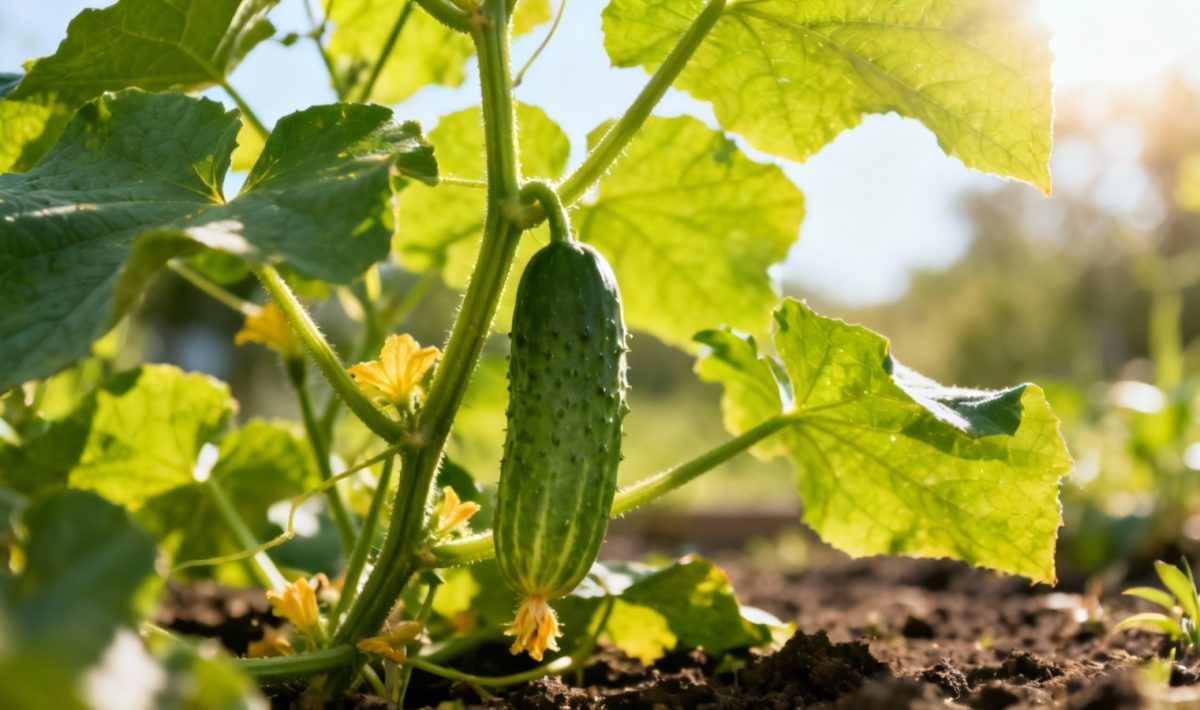
How much sunlight does cucumber need for optimal growth
Growing cucumbers successfully starts with understanding their fundamental sunlight needs. These warm-season vegetables thrive when you provide them with the right balance of light exposure, making proper placement crucial for your gardening success.
Cucumbers need a minimum of 6 to 8 hours of direct sunlight daily for optimal growth and fruit production. This requirement stems from their high energy needs for photosynthesis, which directly impacts both plant vigor and yield quality. Without adequate light exposure, your cucumber plants will struggle to develop properly.
The intensity of light matters just as much as duration. During peak growing season, cucumber plants can benefit from morning sunlight, which is gentler than harsh afternoon rays. This timing allows them to photosynthesize efficiently while avoiding potential heat stress during the hottest part of the day.
When planting cucumber seeds, consider that different varieties may have slightly varying light preferences. However, the 6-8 hour rule applies universally across most cucumber types, whether you’re growing standard varieties or specialty cornichon types for pickling.
Optimal planting locations for maximum sun exposure
Choosing the right spot for your cucumber plants can make or break your harvest. Look for areas in your garden that receive consistent morning and early afternoon sunlight. South-facing locations typically provide the best exposure throughout the growing season.
Avoid areas shaded by trees, buildings, or other structures that might block essential light. Your cucumber plants need that full sun exposure to develop strong stems, healthy foliage, and abundant fruit production. When space is limited, prioritize areas with the longest daily sun exposure.
Consider the soil type and drainage in your chosen location as well. Well-draining soil combined with proper sunlight creates ideal growing conditions. Much like how sunlight requirements for sycamore trees vary based on location, your local climate will influence the best planting spots for cucumbers.
Seasonal considerations for cucumber light exposure
Early season planting requires careful attention to light conditions. When you first sow your cucumber seeds, shorter spring days mean you’ll need to maximize available sunlight hours. Plant in the sunniest available location to compensate for reduced daylight duration.
Summer brings longer days with more intense sunlight. During this time, your established cucumber plants will thrive with abundant light exposure. However, be mindful of extremely hot climates where some afternoon shade might actually benefit the plants during peak heat periods.
Late season growing presents different challenges. As days shorten in late summer, ensure your cucumber plants still receive their minimum light requirements. This is particularly important if you’re succession planting for extended harvests.
Signs of insufficient or excessive sunlight
Recognizing when your cucumber plants aren’t receiving appropriate light levels helps you make necessary adjustments. Insufficient sunlight typically manifests as elongated, weak stems stretching toward available light sources. These plants often produce fewer flowers and subsequently less fruit.
Pale or yellowing leaves can also indicate inadequate light exposure. When cucumber plants don’t receive enough sunlight, they struggle to produce chlorophyll effectively, resulting in poor coloration and reduced photosynthetic capacity.
Excessive sunlight, while less common, can cause leaf scorch or wilting during extremely hot periods. Similar to how optimal sunlight for growing potatoes requires balance, cucumbers need protection from extreme heat even while requiring full sun exposure.
Adjusting light conditions for better growth
When your cucumber plants show signs of insufficient light, consider relocating containers or planning future plantings in sunnier spots. For established plants in fixed locations, pruning nearby vegetation that creates shade can improve light penetration.
If extreme heat becomes problematic, temporary shade cloth during the hottest part of the day can help while still maintaining adequate overall light exposure. This technique works particularly well in southern climates where afternoon temperatures can stress plants despite their sun-loving nature.
Maximizing cucumber productivity through proper light management
Training your cucumber plants to grow vertically can improve light distribution throughout the plant canopy. When vines climb trellises or support structures, more leaves receive direct sunlight, leading to increased photosynthesis and better fruit development.
Regular pruning of lower leaves and excess foliage ensures that energy goes toward fruit production rather than maintaining unnecessary plant mass. This practice also improves air circulation and light penetration to developing fruits.
Much like sunlight needs for coriander plants, timing your planting can optimize light exposure throughout the growing season. Plant cucumber seeds when your local area can provide consistent 6-8 hour daily sunlight periods.
Container growing and light optimization
Container gardening offers flexibility for optimizing sunlight exposure. You can move potted cucumber plants to follow sun patterns throughout the day or relocate them as seasons change and light angles shift.
Large containers work best for cucumbers, as they need substantial root space to support their vigorous growth. When combined with optimal light exposure, properly sized containers can produce excellent yields in limited spaces.
Consider companion planting with herbs that have different light requirements. For instance, understanding German chamomile sunlight preferences can help you create diverse container gardens that maximize your available growing space.
Seasonal timing for optimal cucumber planting
Timing your cucumber planting to coincide with optimal light conditions ensures the best possible harvest. Wait until soil temperatures reach at least 60°F and daily sunlight hours are consistently increasing before sowing seeds outdoors.
In most temperate climates, this timing occurs 2-3 weeks after the last frost date. By this time, days are long enough to provide the necessary 6-8 hours of sunlight, and warming soil supports rapid seed germination and early plant establishment.
For extended harvests, succession planting every 2-3 weeks allows you to maintain continuous production throughout the growing season. Each planting will have access to adequate sunlight as long as you maintain the timing within the optimal growing window.
Advanced techniques for light optimization
Reflective mulches can increase light exposure to lower portions of cucumber plants. Silver or white mulch materials reflect additional light upward, helping lower leaves remain productive and reducing pest pressure from soil-dwelling insects.
Strategic companion planting can also enhance light utilization. Pairing cucumbers with shorter plants that won’t compete for light creates efficient use of garden space. Consider how empress tree sunlight requirements differ significantly from ground-level crops when planning your garden layout.
Row orientation plays a crucial role in maximizing light exposure. Running cucumber rows north to south ensures even light distribution throughout the day, preventing one side of the row from shading the other during peak growing hours.
Troubleshooting common light-related problems
Poor fruit set often results from inadequate sunlight reaching flower-bearing portions of the plant. When cucumber plants don’t receive sufficient light, they may produce plenty of male flowers but few fruit-bearing female flowers, leading to disappointing harvests.
Slow growth and delayed maturity frequently indicate insufficient light exposure. Cucumber plants that stretch toward available light sources while producing weak, pale growth are clear indicators that relocation or light enhancement measures are needed.
Understanding these signals helps you make informed decisions about plant care and future planting strategies. Much like learning about sunlight for thriving Adam’s needle, recognizing your cucumber plants’ specific needs ensures long-term gardening success.
Creating ideal growing conditions
Combining proper sunlight exposure with appropriate watering and soil preparation creates optimal growing conditions for cucumber plants. Well-draining soil prevents root problems that can compound light-related stress, while consistent moisture supports the high metabolic demands of sun-loving plants.
Regular monitoring of your plants throughout the growing season allows you to make adjustments as needed. Pay attention to how light patterns change as the sun angle shifts throughout summer, and be prepared to modify your approach accordingly.
Success with cucumber cultivation comes from understanding that sunlight requirements are just one piece of the puzzle. However, getting this fundamental need right sets the foundation for healthy, productive plants that will reward your efforts with abundant harvests throughout the growing season.
Allan is a lifelong gardening enthusiast who still gets excited when the first seedlings pop up in spring. With a deep love for nature and a hands-in-the-soil approach, he shares practical tips, plant discoveries, and clever tricks picked up over years of digging, planting, and observing. Whether you’re a new gardener or have a shed full of tools, Allan writes like a neighbor who’s always happy to swap cuttings and stories over the fence.
You can find more about Allan’s work on Malt or connect with him on LinkedIn.