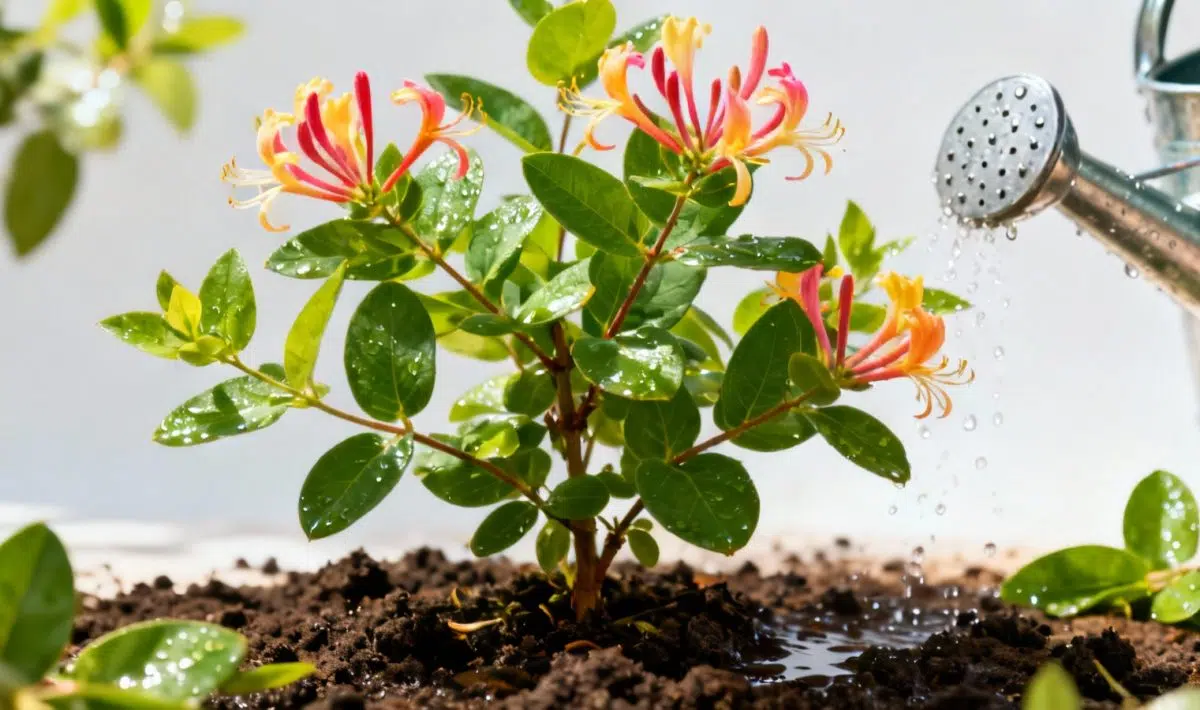
The Amur honeysuckle is one of the most adaptable species that gardeners find rewarding to grow. However, knowing how often should you water your amur honeysuckle can make the difference between a thriving plant and a struggling one. This vigorous species requires consistent moisture without waterlogging, making proper watering techniques essential for success.
Most gardeners discover that these plants are surprisingly resilient once established, yet they do need regular attention during their first growing seasons. The key lies in understanding that amur honeysuckle prefers soil that stays consistently moist but never soggy, which creates an ideal environment for both root development and overall plant health.
Factors that influence watering frequency
Climate conditions play a crucial role in determining how often you should water these plants. In hot, dry regions, you’ll need to water more frequently than in cooler, humid areas. The local climate directly affects soil moisture retention and plant water uptake rates.
Soil type significantly impacts watering schedules as well. Sandy soils drain quickly and require more frequent watering, while clay soils retain moisture longer but can become waterlogged easily. Well-draining loamy soil provides the best balance for amur honeysuckle care.
Plant age and establishment status are equally important considerations. Young plants with developing root systems need different watering approaches compared to mature specimens. For other plants with similar needs, you might find that watering your arborvitae effectively follows comparable principles.
Container vs. ground planting differences
Container plants require more frequent attention since potted soil dries out faster than ground soil. Check container moisture levels every 2-3 days during warm weather, ensuring water drains from the bottom holes. This prevents root rot while maintaining adequate hydration.
Ground-planted amur honeysuckle typically needs watering once or twice weekly during active growing seasons. Deep, thorough watering encourages roots to grow downward, creating more drought-resistant plants over time.
Seasonal watering recommendations
Spring watering should begin when new growth appears, typically requiring weekly deep watering sessions. This establishes strong root systems before summer heat arrives. Apply water slowly to allow soil penetration without runoff.
Summer demands the most attention, with watering frequency increasing to 2-3 times per week during hot spells. Early morning watering reduces evaporation and prevents leaf scorch. Just as you might adjust care for other plants, understanding keeping your coriander leaves fresh requires similar seasonal adjustments.
Fall watering gradually decreases as temperatures cool and growth slows. Continue regular watering until the first frost, then reduce frequency significantly. This helps plants prepare for dormancy without stress.
Winter watering becomes minimal for established plants, though container specimens may need occasional moisture. Avoid watering frozen soil, as this can damage root systems and create ice-related problems.
Testing soil moisture effectively
The finger test remains the most reliable method for checking soil moisture. Insert your finger 2-3 inches into the soil near the plant base. If the soil feels dry at this depth, it’s time to water thoroughly.
Moisture meters provide consistent readings but require proper calibration. These tools are particularly useful for beginners who are still learning to recognize soil moisture levels by feel.
Proper watering techniques for optimal growth
Deep, infrequent watering proves more beneficial than shallow, frequent applications. This approach encourages roots to grow deeper, creating more resilient plants that can better withstand drought conditions. Apply water slowly at the soil surface, allowing it to penetrate gradually.
Drip irrigation systems work exceptionally well for amur honeysuckle, providing consistent moisture without wetting foliage. This reduces disease risks while ensuring efficient water use. Similar techniques work well for various garden plants, including watering chives for optimal health.
Mulching around plants helps retain soil moisture and reduces watering frequency. Apply 2-3 inches of organic mulch, keeping it several inches away from the plant stem to prevent pest issues and crown rot.
Common watering mistakes to avoid
Overwatering kills more plants than underwatering, as soggy soil suffocates roots and promotes fungal diseases. Always check soil moisture before adding more water, regardless of your schedule.
Watering leaves during hot, sunny periods can cause leaf burn and increase disease risks. Focus water application on soil around the root zone instead of plant foliage.
Inconsistent watering creates stress that weakens plants over time. Establish a regular schedule based on weather conditions and soil moisture levels rather than arbitrary calendar dates.
Specific care recommendations by plant stage
Newly planted amur honeysuckle requires daily monitoring for the first two weeks. Water when the top inch of soil feels dry, providing enough moisture to keep roots hydrated during establishment. This critical period determines long-term plant success.
First-year plants need weekly deep watering throughout the growing season, receiving approximately 2-3 liters per plant. Adjust this amount based on rainfall and temperature conditions. Similar attention benefits other plants like ensuring healthy fringed willowherb growth.
Established plants (2+ years old) become more drought tolerant but still benefit from regular watering during dry periods. These mature specimens typically thrive with weekly watering during active growth periods.
Signs of proper hydration
Healthy amur honeysuckle displays vibrant green foliage with good turgor pressure. Leaves should feel firm and show no signs of wilting during normal daylight hours. New growth appears regularly during the growing season.
Well-hydrated plants produce abundant flowers and maintain consistent growth rates. The soil around healthy plants feels consistently moist but never waterlogged when tested with the finger method.
Troubleshooting watering issues
Yellowing leaves often indicate overwatering, especially when accompanied by soft, mushy root areas. Reduce watering frequency and improve soil drainage to address this problem. Check for proper drainage holes in containers.
Wilting during hot days may be normal, but persistent wilting suggests underwatering. Increase watering frequency and apply mulch to help retain soil moisture. Early morning watering helps plants cope with afternoon heat stress.
Brown leaf edges typically result from inconsistent watering or extremely dry conditions. Maintain steady soil moisture levels and consider relocating plants to areas with better water retention. Understanding these principles helps with various garden plants, including optimal watering for white clover.
Adjusting for extreme weather
During heat waves, increase watering frequency but avoid midday applications. Water early morning or evening to reduce evaporation and heat stress. Consider temporary shade cloth for container plants.
Extended rainy periods may require reducing or suspending watering entirely. Monitor soil drainage and provide additional aeration if waterlogging occurs. Remove excess mulch if it retains too much moisture.
Drought conditions demand deep, thorough watering sessions rather than light, frequent applications. Focus on maintaining root zone moisture while conserving water through proper mulching and timing.
Allan is a lifelong gardening enthusiast who still gets excited when the first seedlings pop up in spring. With a deep love for nature and a hands-in-the-soil approach, he shares practical tips, plant discoveries, and clever tricks picked up over years of digging, planting, and observing. Whether you’re a new gardener or have a shed full of tools, Allan writes like a neighbor who’s always happy to swap cuttings and stories over the fence.
You can find more about Allan’s work on Malt or connect with him on LinkedIn.