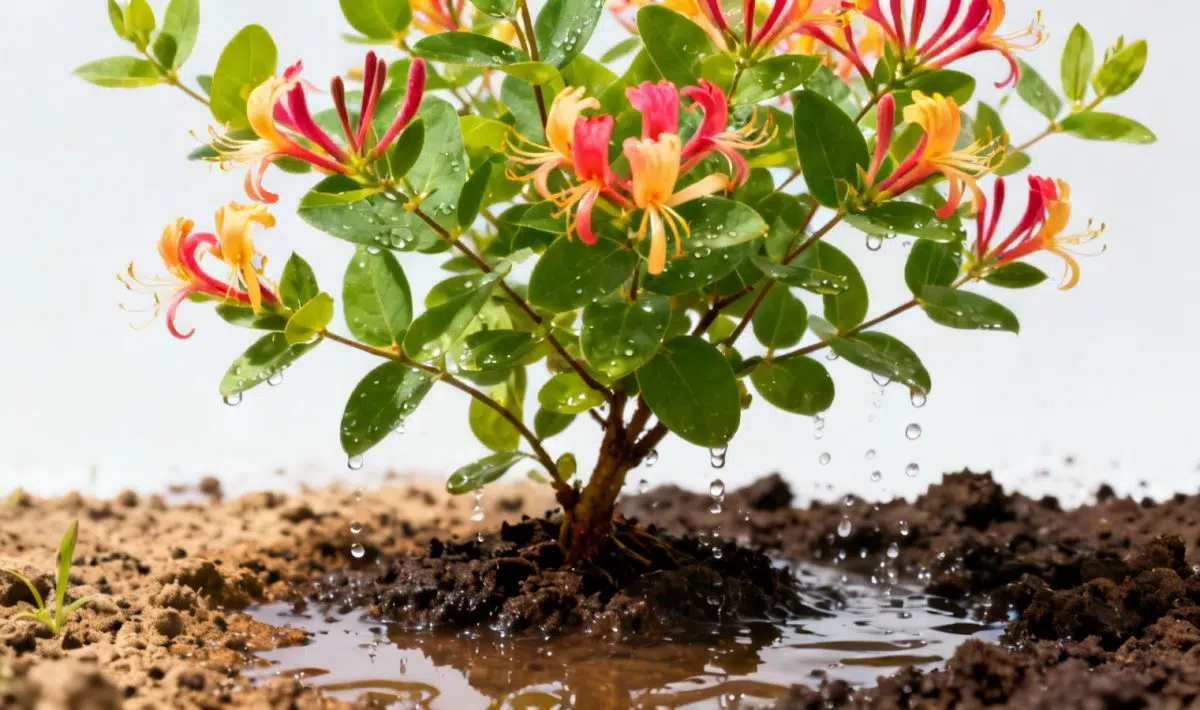
Understanding your Tatarian honeysuckle’s water needs
When you first bring home your Tatarian honeysuckle (Lonicera tatarica), understanding how often should you water your Tatarian honeysuckle becomes crucial for its long-term health. This hardy species originates from regions with moderate moisture levels, making it surprisingly adaptable to various watering schedules once established.
The key factor that influences watering frequency is the plant’s age and establishment status. Young plants require more frequent attention, while mature honeysuckle develops excellent drought tolerance. Your local climate, soil type, and seasonal changes all play significant roles in determining the perfect watering routine.
Tatarian honeysuckle thrives with consistent moisture but absolutely despises waterlogged conditions. This balance makes them relatively forgiving for gardeners who may occasionally forget their watering schedule, yet responsive to regular care.
Seasonal watering schedules that work
Spring marks the beginning of active growth for your honeysuckle, and this is when consistent watering becomes most important. During this season, aim to water every 3-4 days if rainfall is insufficient. The soil should remain moist but never soggy.
Summer brings the highest water demands, especially during hot, dry spells. You may need to increase watering to every 2-3 days, particularly for container-grown plants. However, established ground plants can often manage with weekly deep watering sessions.
As autumn arrives, gradually reduce watering frequency to help your plant prepare for winter dormancy. Once or twice weekly should suffice, depending on natural rainfall in your area. Winter watering becomes minimal, with most established plants requiring water only during extended dry periods.
Signs your honeysuckle needs water
Learning to read your plant’s signals saves both time and worry. Slightly drooping leaves in the morning indicate immediate water needs, while yellowing lower leaves might suggest overwatering issues.
The soil test remains the most reliable indicator – stick your finger about two inches into the soil near the base. If it feels dry at this depth, it’s time to water. This simple technique works better than any predetermined schedule.
Effective watering techniques for healthy growth
Deep, infrequent watering encourages strong root development better than frequent light sprinkling. When you water, soak the soil thoroughly until water begins to drain from the base or runs off the surface.
Morning watering provides the best results, allowing plants to absorb moisture before the day’s heat increases evaporation. Evening watering can work but may encourage fungal problems in humid climates.
For gardeners seeking comprehensive plant care strategies, exploring watering requirements for amur honeysuckle can provide valuable insights into caring for related species with similar needs.
Mulching for moisture retention
Applying a 2-3 inch layer of organic mulch around your honeysuckle dramatically reduces watering frequency. Wood chips, shredded bark, or compost work excellently for this purpose.
Mulch not only conserves soil moisture but also regulates soil temperature and suppresses weed growth. Keep mulch a few inches away from the plant’s base to prevent pest and disease issues.
Common watering mistakes to avoid
Overwatering kills more honeysuckle plants than underwatering ever will. These resilient shrubs prefer slightly dry conditions over constantly wet soil, which can lead to root rot and other serious problems.
Watering too frequently with small amounts creates shallow root systems that struggle during dry periods. Instead, water less often but more thoroughly to encourage deep root growth.
Many gardeners make the mistake of using the same watering schedule year-round. Your honeysuckle’s needs change dramatically with the seasons, and your watering routine should adapt accordingly.
Drainage considerations
Poor drainage causes more problems than irregular watering schedules. If water pools around your honeysuckle after watering, you may need to improve soil drainage or consider relocating the plant.
Container-grown honeysuckles require especially careful attention to drainage. Ensure pots have adequate drainage holes and never allow plants to sit in standing water for extended periods.
Yellow leaves often indicate watering issues, but the solution depends on the pattern. Lower leaves turning yellow typically suggest overwatering, while widespread yellowing might indicate drought stress.
Wilting can occur from both too much and too little water. Check soil moisture levels before deciding whether to water or withhold moisture. Sometimes patience works better than immediate action.
Brown leaf edges usually indicate underwatering or inconsistent moisture levels. Establishing a regular routine often resolves this issue within a few weeks.
Seasonal adjustments for success
Spring establishment requires daily monitoring for newly planted honeysuckle. Check soil moisture every morning and water when the top inch feels dry.
Summer heat stress can occur even with adequate watering. Consider providing afternoon shade during extreme heat waves to reduce water loss through transpiration.
For comprehensive care across different plant types, understanding approaches like those used for watering guide for arborvitae trees helps develop better overall gardening skills.
Tools and equipment for efficient watering
A soaker hose provides excellent results for established honeysuckle plantings, delivering slow, steady moisture directly to root zones. This method reduces water waste and minimizes leaf wetness that can encourage disease.
Hand watering with a watering can or hose allows precise control but requires more time and attention. Use a gentle shower setting to avoid disturbing mulch or exposing roots.
Drip irrigation systems offer the ultimate convenience for multiple plants, though initial setup costs may be higher. These systems excel at providing consistent moisture levels with minimal effort.
Making watering easier
Installing rain gauges helps track natural precipitation, allowing you to adjust watering schedules based on actual rainfall rather than guesswork.
Moisture meters take the guesswork out of soil testing, though they’re not essential for successful honeysuckle care. Your finger remains the most reliable and cost-effective moisture-testing tool.
Keep watering records during your first year to establish patterns that work in your specific location and climate. This information becomes invaluable for long-term plant health and reduces decision-making stress.
Creating the perfect watering routine
Start by watering your newly planted honeysuckle every other day for the first two weeks, then gradually extend intervals as roots establish. Most plants adapt to weekly watering within a month of planting.
Monitor weather patterns and adjust accordingly – a week of rain eliminates the need for supplemental watering, while hot, windy conditions may require additional attention.
Remember that container plants dry out much faster than ground plantings. Potted honeysuckle may need daily watering during summer, while the same variety planted in garden soil thrives with weekly deep watering sessions.
Allan is a lifelong gardening enthusiast who still gets excited when the first seedlings pop up in spring. With a deep love for nature and a hands-in-the-soil approach, he shares practical tips, plant discoveries, and clever tricks picked up over years of digging, planting, and observing. Whether you’re a new gardener or have a shed full of tools, Allan writes like a neighbor who’s always happy to swap cuttings and stories over the fence.
You can find more about Allan’s work on Malt or connect with him on LinkedIn.