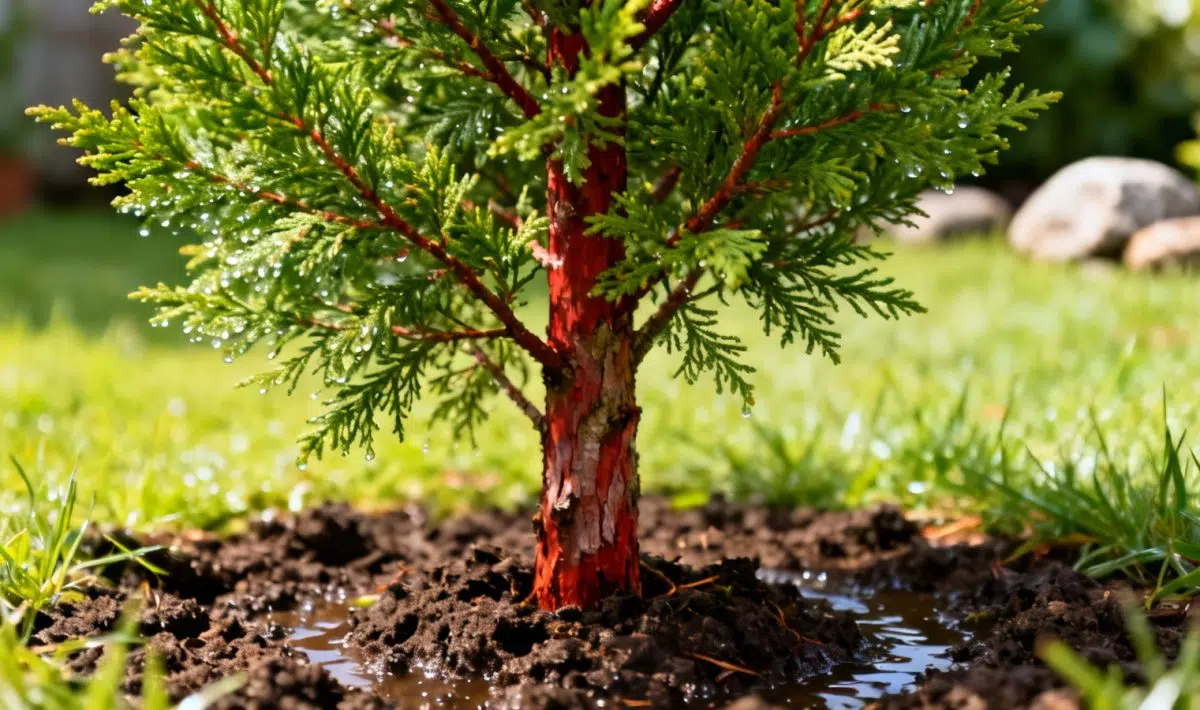
Understanding your Eastern red cedar’s watering needs
How often should you water your Eastern red cedar? This question comes up frequently among gardeners who want to ensure their trees thrive. The Eastern red cedar (Juniperus virginiana) is a remarkably drought-tolerant native tree, but proper watering during its establishment phase is crucial for long-term success. Understanding the specific needs of this coniferous species will help you develop an effective watering schedule that promotes healthy growth throughout the year.
The watering frequency for your Eastern red cedar depends primarily on its age and the season. Young trees require more frequent attention than mature specimens, which have developed extensive root systems. During the first year after planting, consistent moisture is essential for root development, while established trees can often survive on natural rainfall alone. However, prolonged drought periods may require supplemental watering even for mature trees.
Watering schedule for newly planted Eastern red cedars
The first six weeks after planting represent the most critical period for your Eastern red cedar. During this establishment phase, you should water every 2-4 days initially, then transition to at least once per week. This intensive schedule helps the tree develop a robust root system that will support its growth for years to come. Check the soil moisture at a depth of 3-4 inches to determine when watering is needed.
For the remainder of the first year, maintain a weekly watering schedule during the growing season. The spring months are particularly important as this is when your tree experiences its most active growth cycle. Consistent moisture during this time ensures that new shoots and foliage develop properly. Much like other ornamental plants, including those discussed in our article about watering your African lily correctly, young Eastern red cedars need regular attention to establish themselves successfully.
Signs your Eastern red cedar needs water
Learning to read your tree’s signals is essential for maintaining proper hydration. Eastern red cedars show subtle signs of water stress that are easy to miss if you’re not watching carefully. The needles may lose their vibrant green color and take on a slightly grayish appearance when the tree is experiencing drought stress. Additionally, new growth may appear stunted or fail to emerge during the expected growing season.
Another reliable indicator is the soil condition around the tree’s base. Insert your finger into the soil near the drip line to check moisture levels. If the soil feels dry at a depth of 2-4 inches, it’s time to water. This hands-on approach is more accurate than relying on surface moisture alone, as the top layer of soil can appear dry while deeper levels retain adequate moisture.
Seasonal watering considerations
Spring brings increased water demands as your Eastern red cedar emerges from winter dormancy. The tree’s metabolic activity increases significantly during this season, requiring consistent moisture to support new growth. Plan to water weekly during spring, especially if natural rainfall is insufficient. This period sets the foundation for the tree’s performance throughout the growing season.
Summer presents unique challenges, particularly during extended hot and dry spells. While mature Eastern red cedars are drought-tolerant, young trees may struggle without supplemental watering. Focus on deep, infrequent watering sessions that encourage root development rather than frequent shallow applications. Early morning is the optimal time for watering, as it allows the tree to absorb moisture before the day’s heat intensifies.
Fall watering helps prepare your tree for winter dormancy. Continue regular watering until temperatures consistently drop and the tree enters its dormant phase. This autumn preparation is crucial for winter survival, as well-hydrated trees are better equipped to withstand freezing temperatures and winter winds.
Watering techniques and best practices
The method you use to water your Eastern red cedar is just as important as the frequency. Deep watering encourages roots to grow downward, creating a more stable and drought-resistant tree. Apply water slowly at the base of the tree, allowing it to penetrate deeply into the soil rather than running off the surface. A soaker hose or drip irrigation system provides ideal results for this type of watering.
Avoid watering the foliage directly, as this can promote fungal diseases and waste water through evaporation. Instead, focus on the root zone, which extends roughly to the drip line of the tree’s canopy. For young trees, this area is relatively small, but it expands as the tree matures. Understanding proper watering techniques applies to many garden plants, including those covered in our discussion of proper care for European beech trees.
Mature tree maintenance and drought tolerance
Once your Eastern red cedar has been established for two or more years, its watering needs decrease significantly. Mature trees typically require supplemental watering only during extended drought periods or exceptionally hot summers. The extensive root system of an established tree can access moisture from deeper soil layers, making it largely self-sufficient under normal weather conditions.
However, don’t assume that mature trees never need attention. During drought periods lasting more than three weeks without significant rainfall, even established Eastern red cedars benefit from deep watering sessions. Monitor local weather conditions and soil moisture levels to determine when intervention is necessary. This approach ensures your tree maintains its health and continues to provide the expected benefits to your landscape.
The quality of your soil also influences how often you need to water mature trees. Well-draining soils may require more frequent attention than heavy clay soils that retain moisture longer. Sandy soils, in particular, allow water to move through quickly, potentially requiring more frequent irrigation during dry spells.
Common watering mistakes to avoid
Overwatering represents one of the most common mistakes made with Eastern red cedars. These trees are adapted to relatively dry conditions and can develop root rot when exposed to consistently wet soil. Symptoms of overwatering include yellowing needles, stunted growth, and a general decline in tree vigor. If you notice these signs, reduce watering frequency and improve drainage around the tree’s base.
Inconsistent watering patterns can also stress your tree unnecessarily. Rather than watering lightly every day, provide deeper watering sessions less frequently. This approach mimics natural rainfall patterns and encourages healthy root development. Just as gardeners learn proper timing for tips for watering calla lilies, understanding your Eastern red cedar’s natural cycle helps you provide optimal care.
Another frequent error is watering during the hottest part of the day. This timing leads to excessive evaporation and can actually stress the tree through rapid temperature changes. Early morning watering allows the tree to absorb moisture before temperatures rise, while evening watering may promote fungal growth due to prolonged moisture on the foliage.
Seasonal adjustments and long-term care
Adjusting your watering schedule throughout the year reflects the tree’s changing needs and local climate conditions. Winter typically requires no supplemental watering in most climates, as the tree enters dormancy and moisture requirements drop dramatically. However, in regions with mild winters and little precipitation, occasional winter watering may be beneficial.
As your Eastern red cedar matures, you’ll notice that its drought tolerance improves significantly. This natural adaptation makes it an excellent choice for water-wise landscaping and low-maintenance gardens. The tree’s native status means it’s well-suited to local climate conditions once established, requiring minimal intervention from gardeners.
Consider implementing water conservation strategies that benefit both your tree and the environment. Mulching around the base helps retain soil moisture and reduces watering frequency. Rain gauges help you track natural precipitation, allowing you to adjust supplemental watering accordingly. These practices, similar to those used for caring for your dog rose plant, promote sustainable gardening while maintaining plant health.
Monitoring your tree’s response to different watering schedules helps you fine-tune your approach over time. Each location has unique soil conditions, climate patterns, and microclimates that influence watering needs. What works in one garden may need adjustment in another, making careful observation essential for success.
The relationship between proper watering and overall tree health extends beyond simple survival. Well-watered Eastern red cedars show better resistance to pests and diseases, maintain attractive foliage color, and provide more reliable screening or windbreak functions. This comprehensive approach to tree care, including appropriate watering schedules for other species like those mentioned in our guide to watering American basswood effectively, ensures your landscape investments thrive for decades.
Remember that successful Eastern red cedar care involves balancing adequate moisture with the tree’s natural drought tolerance. By providing appropriate water during establishment and reducing frequency as the tree matures, you’ll develop a healthy specimen that requires minimal maintenance while providing maximum landscape value. This approach, along with proper timing and technique, ensures your Eastern red cedar will flourish throughout its expected lifespan, much like the principles discussed in our article about keeping your lucky bamboo thriving.
Allan is a lifelong gardening enthusiast who still gets excited when the first seedlings pop up in spring. With a deep love for nature and a hands-in-the-soil approach, he shares practical tips, plant discoveries, and clever tricks picked up over years of digging, planting, and observing. Whether you’re a new gardener or have a shed full of tools, Allan writes like a neighbor who’s always happy to swap cuttings and stories over the fence.
You can find more about Allan’s work on Malt or connect with him on LinkedIn.