
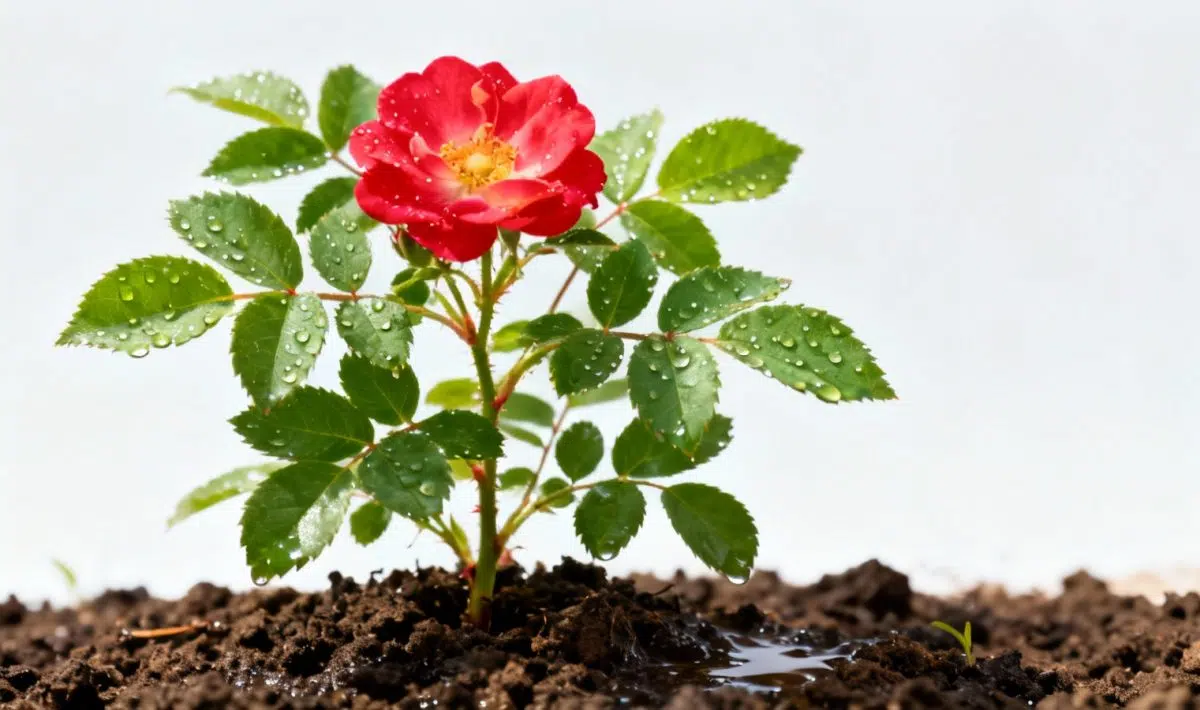
Caring for your dog rose properly means understanding its unique water needs throughout the year. This hardy wild rose, known for its resilience and beautiful blooms, requires a thoughtful approach to watering that changes with the seasons and growing conditions. Getting the watering schedule right will reward you with vibrant flowers and healthy growth.
Understanding your dog rose’s water requirements
Dog roses are remarkably drought-tolerant once established, thanks to their deep root system that can access water from lower soil layers. However, this doesn’t mean you should neglect their hydration needs entirely. During the first year after planting, these roses need consistent moisture to develop their extensive root network properly.
The key factor in determining watering frequency is checking soil moisture rather than following a rigid schedule. Stick your finger about two inches into the soil near the base of the plant. If it feels dry at this depth, it’s time to water. This simple test prevents both underwatering and the more common problem of overwatering.
Young dog roses in their establishment phase typically need water every 3-4 days during warm weather. Once mature, they can often go a full week between waterings, even in summer heat. The exact timing depends on your local climate, soil type, and rainfall patterns.
Seasonal watering adjustments for dog roses
Spring brings active growth and increased water needs as new shoots emerge and flower buds develop. Water your dog rose once or twice weekly during this period, providing about 4-6 liters per square meter of canopy coverage. This ensures adequate moisture for the energy-intensive process of producing those gorgeous blooms.
Summer requires the most attention to watering frequency. In hot, dry conditions, weekly deep watering becomes essential. Apply water slowly at the base of the plant, allowing it to soak into the root zone rather than running off the surface. Much like how you might follow a watering schedule for rose of sharon for consistent results, dog roses benefit from regular monitoring during peak growing season.
Fall watering should gradually decrease as the plant prepares for dormancy. Reduce frequency to every 10-14 days, focusing on maintaining soil moisture without encouraging late-season growth that could be damaged by early frost. Winter typically requires no supplemental watering unless you experience unusually dry conditions.
Timing your watering for maximum benefit
The best time to water your dog rose is during early morning or evening hours when temperatures are cooler. This timing reduces water loss through evaporation and prevents leaf burn that can occur when water droplets act like tiny magnifying glasses in bright sunlight.
Night watering, particularly between 8 PM and midnight, allows plants to absorb moisture slowly without the stress of daytime heat. However, avoid watering too late in the evening during humid periods, as wet foliage overnight can encourage fungal diseases. Similar principles apply when caring for your African lily or other garden plants.
Proper watering techniques for dog roses
Deep, infrequent watering encourages strong root development and drought tolerance. Apply water slowly at soil level, allowing it to penetrate deeply rather than creating surface runoff. A soaker hose or drip irrigation system works excellently for this purpose, delivering consistent moisture directly to the root zone.
Avoid overhead watering whenever possible, as wet foliage can lead to black spot, rust, and other fungal problems. If you must use a sprinkler, do so early in the morning so leaves can dry quickly. Focus water application in a circle around the plant, extending to the drip line where feeder roots are most active.
Mulching around your dog rose helps maintain soil moisture and reduces watering frequency. Apply a 2-3 inch layer of organic mulch, keeping it several inches away from the base of the plant to prevent pest and disease issues. This practice conserves water while improving soil quality over time.
Signs your dog rose needs water
Learning to read your plant’s signals helps you adjust watering frequency based on actual needs rather than guesswork. Slightly wilted leaves during the hottest part of the day are normal, but persistent wilting indicates water stress. New growth appearing dull or losing its vibrant green color also suggests insufficient moisture.
Flower production may decline or blooms may be smaller when plants are water-stressed. Conversely, yellowing leaves, especially lower ones, often indicate overwatering or poor drainage. Just as with proper watering for American basswood, finding the right balance is crucial for optimal health.
Factors affecting watering frequency
Soil type significantly impacts how often you need to water your dog rose. Sandy soils drain quickly and may require more frequent watering, while clay soils hold moisture longer but can become waterlogged easily. Adding organic matter improves water retention in sandy soil and drainage in clay soil.
Container-grown dog roses need more frequent watering than those planted in the ground. Pots dry out faster, especially in hot weather or windy conditions. Check container plants daily during summer and be prepared to water every day or two. The principles are similar to those used for best practices for lucky bamboo in containers.
Weather conditions, including temperature, humidity, and wind, all affect water needs. Hot, windy days increase water loss through transpiration, while cool, humid conditions reduce it. Adjust your watering schedule accordingly, always checking soil moisture before adding water.
Common watering mistakes to avoid
Frequent shallow watering encourages surface roots and makes plants less drought-tolerant. Instead, water less often but more thoroughly, ensuring moisture reaches the entire root zone. This practice builds stronger, more resilient plants that can better withstand dry periods.
Watering during the heat of the day wastes water through evaporation and can stress plants. Similarly, following a rigid schedule without considering actual soil conditions can lead to overwatering during rainy periods or underwatering during heat waves. Much like the careful attention required when following watering tips for Japanese cherry trees, flexibility in your approach yields better results.
Ignoring drainage is another common error that can kill even drought-tolerant plants like dog roses. Ensure your planting area has adequate drainage, or consider raised beds if your soil stays soggy. Standing water around roots leads to rot and plant death faster than drought conditions.
Monitoring and adjusting your routine
Keep a simple watering log during your first season with a new dog rose. Note when you water, how much you apply, and the plant’s response. This record helps you identify patterns and establish the optimal schedule for your specific conditions.
As your dog rose matures, its water needs will change. Established plants with well-developed root systems require less frequent watering than newly planted specimens. Gradually reduce watering frequency as the plant shows signs of strong establishment, such as vigorous new growth and abundant flowering.
Remember that these hardy roses evolved to survive in challenging conditions. Once established, they prefer a more hands-off approach to watering that mimics natural rainfall patterns. Trust your plant’s resilience while providing support during particularly stressful periods like extended drought or extreme heat.

Allan is a lifelong gardening enthusiast who still gets excited when the first seedlings pop up in spring. With a deep love for nature and a hands-in-the-soil approach, he shares practical tips, plant discoveries, and clever tricks picked up over years of digging, planting, and observing. Whether you’re a new gardener or have a shed full of tools, Allan writes like a neighbor who’s always happy to swap cuttings and stories over the fence.
You can find more about Allan’s work on Malt or connect with him on LinkedIn.


