
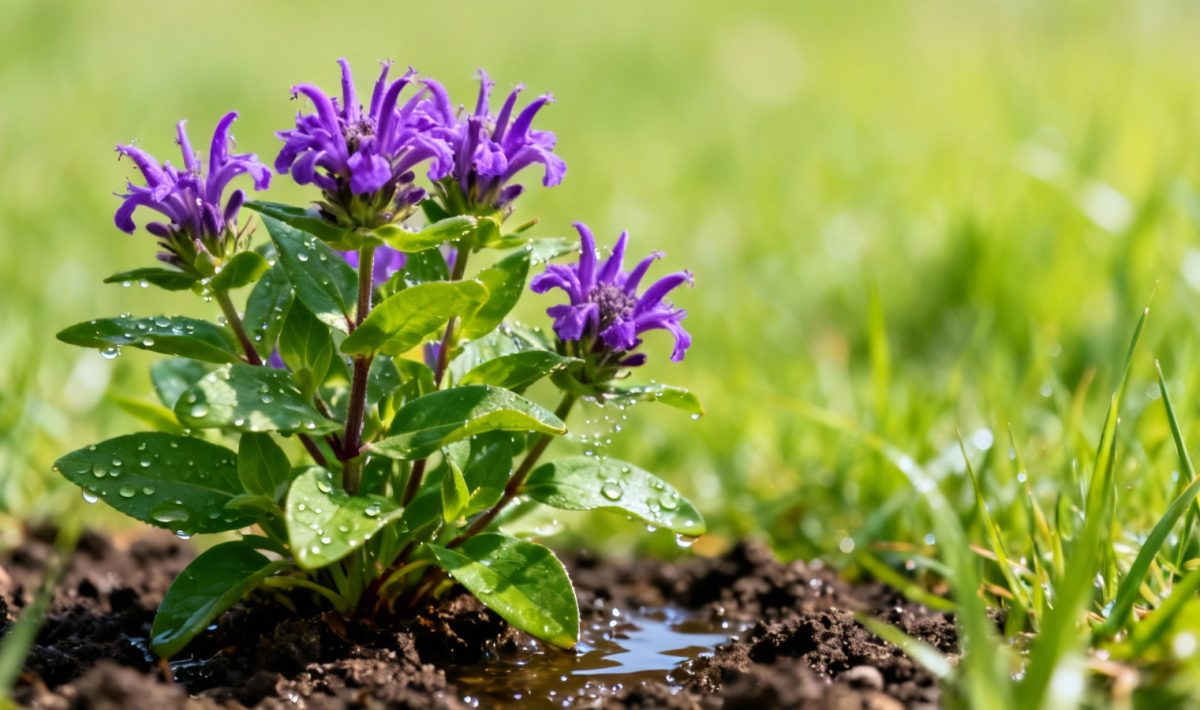
Wild bergamot, scientifically known as Monarda fistulosa, is a remarkable native plant that brings vibrant color and attracts pollinators to any garden. Understanding how often should you water your Wild bergamot is crucial for its success, as this hardy perennial has specific moisture needs that change throughout its growing cycle. With proper watering techniques, your Wild bergamot will reward you with stunning flowers and robust growth season after season.
Understanding Wild bergamot’s water requirements
The key to successful Wild bergamot cultivation lies in understanding its natural habitat preferences. This native North American plant thrives in well-draining soil with moderate moisture levels. Unlike many garden plants that require consistent watering, Wild bergamot has developed remarkable drought tolerance once established, making it an excellent choice for low-maintenance gardens.
Soil type plays a critical role in determining your watering schedule. Sandy soils drain quickly and may require more frequent watering, while clay soils retain moisture longer. For optimal results, aim for soil that feels slightly moist but never waterlogged, as excessive moisture can lead to root rot and fungal diseases.
Climate conditions also influence watering frequency significantly. During hot, dry spells, your Wild bergamot may need supplemental water, while cooler, humid periods often provide adequate natural moisture. Just as you might consider watering your sycamore tree effectively during different seasons, Wild bergamot requires seasonal adjustments to its care routine.
Watering schedule by growth stage
Newly planted Wild bergamot seeds and young plants require more consistent moisture than established specimens. During the germination phase, keep the soil consistently moist but not soggy for the first two to three weeks. This initial period is critical for successful establishment and root development.
As your plants mature, gradually reduce watering frequency while monitoring soil moisture. Young plants typically need water every 2-3 days during their first growing season, depending on weather conditions and soil drainage. Check the top inch of soil regularly – if it feels dry, it’s time to water.
Established Wild bergamot plants demonstrate impressive drought tolerance and may only need supplemental watering during extended dry periods. During peak growing season, weekly deep watering is usually sufficient, though this can vary based on your local climate and rainfall patterns.
Optimal watering techniques for Wild bergamot
The method you choose for watering can significantly impact your plant’s health and growth. Deep, infrequent watering encourages strong root development, while shallow, frequent watering can lead to weak surface roots and increased susceptibility to drought stress.
Early morning watering provides the best results, allowing plants to absorb moisture before the heat of the day and reducing the risk of fungal diseases. Water at soil level rather than from above to keep foliage dry and minimize disease risk. Similar principles apply when you care for your Chinese money plant, emphasizing the importance of proper timing and technique.
Drip irrigation systems work exceptionally well for Wild bergamot, delivering water slowly and efficiently to the root zone. If using overhead sprinklers, water early in the morning to allow foliage to dry quickly and prevent moisture-related problems.
How often should you water your Wild bergamot during different seasons
Spring watering focuses on supporting new growth as plants emerge from dormancy. Begin with moderate watering as soil temperatures rise and increase frequency as active growth begins. This is typically when you’ll water most frequently, as the plant establishes its growing pattern for the year.
Summer watering requires careful attention to weather patterns and soil moisture levels. During hot, dry periods, weekly deep watering may be necessary, while rainy spells might eliminate the need for supplemental irrigation entirely. Monitor your plants closely during heat waves, as stress signs appear quickly in extreme conditions.
Fall watering gradually decreases as plants prepare for dormancy. Reduce watering frequency but don’t allow plants to become completely dry, especially if autumn rainfall is limited. This approach helps plants store energy for winter survival while preventing overwatering that could lead to cold damage.
Recognizing proper soil moisture levels
Learning to assess soil moisture accurately is essential for Wild bergamot success. The finger test works well – insert your finger 2-3 inches into the soil near the plant base. If the soil feels dry at this depth, it’s time to water.
A moisture meter provides more precise readings and can be particularly helpful for beginning gardeners. Aim for readings that indicate moderate moisture levels, avoiding both extremely dry and waterlogged conditions. This balanced approach mirrors the careful attention needed when considering optimal watering for watermelons, where soil moisture balance is equally critical.
Visual cues from your plants also provide valuable information about watering needs. Slight wilting during hot afternoon hours is normal, but morning wilting indicates insufficient moisture. Yellowing leaves may signal overwatering, while brown, crispy edges often indicate underwatering.
Common watering mistakes to avoid
Overwatering ranks as the most common mistake when growing Wild bergamot. This hardy plant prefers slightly drier conditions once established, and excessive moisture can lead to root rot, fungal diseases, and poor flowering. Always err on the side of less water rather than more.
Inconsistent watering patterns can stress plants and reduce their drought tolerance. Rather than frequent light watering, focus on less frequent but thorough deep watering sessions. This approach encourages deeper root growth and improves the plant’s natural resilience.
Watering during peak heat can actually harm your plants through rapid evaporation and potential leaf scorch. Instead, time your watering for early morning or evening hours when temperatures are cooler and plants can absorb moisture more effectively. This timing consideration is equally important when learning about healthy growth of smoketrees, where proper timing maximizes water efficiency.
Seasonal adjustments for optimal growth
Winter watering requirements for Wild bergamot are minimal in most climates. In regions with snow cover, natural precipitation usually provides adequate moisture. However, in areas with dry winters and no snow protection, occasional winter watering may prevent desiccation damage.
Container-grown Wild bergamot requires more frequent attention than garden-planted specimens. Pots dry out faster than ground soil, especially during hot weather. Check container plants daily during peak growing season and adjust watering frequency based on pot size, plant size, and weather conditions.
The transition periods between seasons require particular attention to changing moisture needs. As temperatures fluctuate and daylight hours change, monitor your plants closely and adjust watering schedules accordingly. This adaptive approach ensures your Wild bergamot receives appropriate care year-round, much like the careful monitoring required for watering tips for wintercreepers during seasonal changes.
Maximizing Wild bergamot health through proper watering
Proper watering practices contribute significantly to overall plant health and flowering performance. Well-watered Wild bergamot produces more abundant blooms, attracts more pollinators, and demonstrates better resistance to pests and diseases. The investment in learning correct watering techniques pays dividends in garden beauty and ecological value.
Remember that Wild bergamot’s drought tolerance increases significantly after the first year of establishment. Once your plants have developed strong root systems, they become remarkably self-sufficient and require minimal supplemental watering except during extreme drought conditions.
By following these watering guidelines and paying attention to your specific growing conditions, you’ll enjoy healthy, vigorous Wild bergamot plants that provide beauty, fragrance, and wildlife habitat for years to come. The key lies in understanding that less is often more with this resilient native plant, allowing its natural adaptability to shine through proper care.

Allan is a lifelong gardening enthusiast who still gets excited when the first seedlings pop up in spring. With a deep love for nature and a hands-in-the-soil approach, he shares practical tips, plant discoveries, and clever tricks picked up over years of digging, planting, and observing. Whether you’re a new gardener or have a shed full of tools, Allan writes like a neighbor who’s always happy to swap cuttings and stories over the fence.
You can find more about Allan’s work on Malt or connect with him on LinkedIn.


