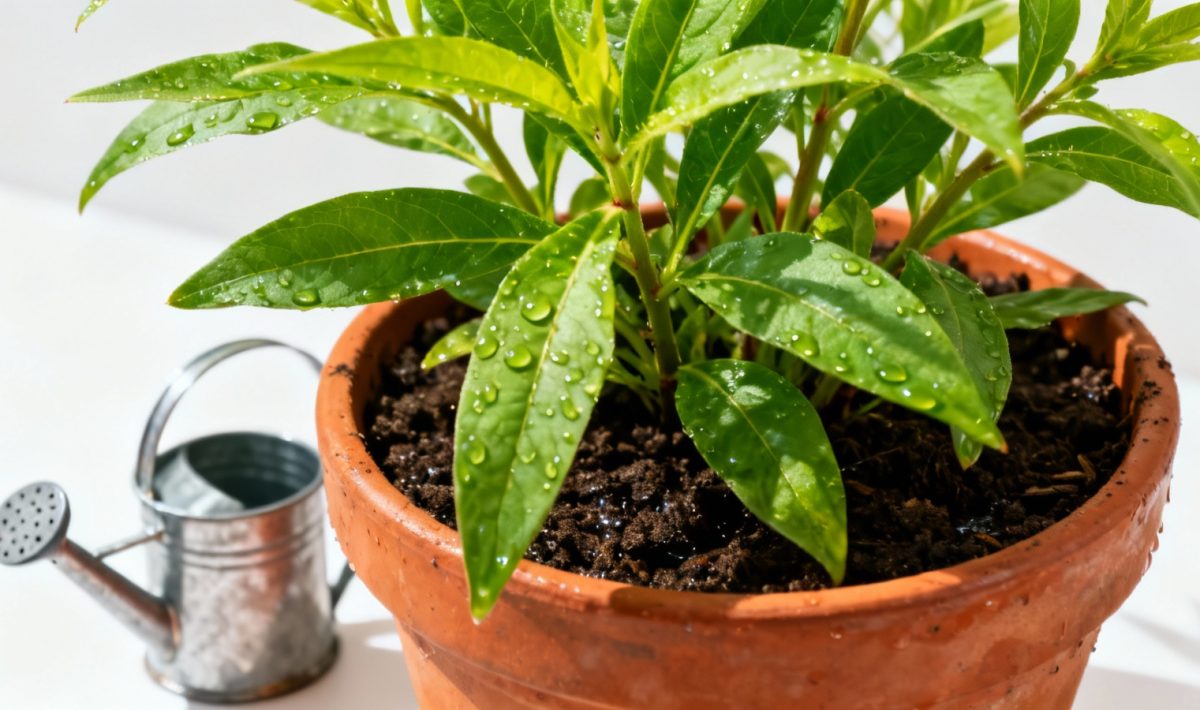
How often should you water your American burnweed depends largely on environmental factors and the plant’s natural growing habits. This annual herb typically requires minimal watering once established, as it naturally thrives in disturbed soils with varying moisture levels. The key is to understand that American burnweed prefers deep, infrequent watering rather than frequent light applications.
Unlike many garden plants that demand consistent moisture, American burnweed has adapted to survive in challenging conditions. Your watering schedule should reflect this natural resilience while supporting healthy growth during the plant’s rapid development phase.
Essential factors affecting watering frequency
Several critical factors determine how often you should water your American burnweed. Soil type plays a significant role, with well-draining soils requiring more frequent watering than heavy clay soils that retain moisture longer. Sandy soils typically need watering every 3-4 days during active growth periods, while clay-based soils may only need water once weekly.
Climate conditions directly impact watering needs. Hot, dry weather increases water demand, while cool, humid conditions reduce the frequency required. For optimal growth, similar to watering rosemary for healthy growth, you should monitor soil moisture levels rather than following a rigid schedule.
Plant size and growth stage also influence watering requirements. Young seedlings need more frequent but lighter watering to establish roots, while mature plants benefit from deeper, less frequent watering sessions that encourage robust root development.
Optimal watering schedule for American burnweed
For best results, water your American burnweed every 5-7 days during the growing season, adjusting based on rainfall and soil moisture. Check soil dampness by inserting your finger 2-3 inches deep – if it feels dry, it’s time to water. This method ensures you provide adequate moisture without overwatering.
During hot summer days, you may need to increase frequency to every 3-4 days. However, always verify soil moisture first, as overwatering can lead to root rot and poor plant health. The organic approach to plant care emphasizes observation over strict schedules.
Seasonal watering adjustments
Spring watering focuses on supporting initial growth and establishment. Begin with lighter, more frequent watering as seedlings develop their root systems. As temperatures rise and growth accelerates, gradually transition to deeper, less frequent watering sessions.
Summer brings peak water demands. During this period, early morning watering proves most effective, reducing evaporation and providing plants with adequate moisture throughout hot days. This timing also helps prevent fungal issues that can develop from evening watering.
Fall watering gradually decreases as American burnweed completes its annual cycle. Reduce frequency to allow plants to naturally prepare for dormancy. Just as how to water arborvitae properly requires seasonal awareness, American burnweed benefits from adjusted care throughout the year.
Signs of proper hydration
Healthy American burnweed displays vibrant green foliage and steady upward growth. Properly hydrated plants maintain firm, fleshy leaves that don’t wilt during moderate heat. The soil around the plant should feel moist but not soggy when tested at root depth.
Watch for visual cues that indicate proper watering. New growth appears regularly, and the plant maintains its characteristic robust appearance. Quality organic products often support plant health alongside proper watering practices.
Common watering mistakes to avoid
Overwatering ranks as the most common error when caring for American burnweed. This mistake leads to waterlogged soil, root rot, and stunted growth. Always allow soil to partially dry between watering sessions to maintain healthy root function.
Shallow, frequent watering encourages weak surface root development. Instead, water deeply to promote strong root growth that can access moisture from deeper soil layers. This approach mirrors successful techniques used for watering coriander for fresh leaves, emphasizing depth over frequency.
Inconsistent watering creates stress that weakens plant immunity and reduces overall health. Establish a monitoring routine that accounts for weather conditions, soil type, and plant needs rather than random watering whenever you remember.
Best practices for healthy growth
Use room temperature water to avoid shocking plant roots with cold irrigation. Cold water can slow nutrient uptake and stress the plant, particularly during warm growing periods. Allow tap water to sit overnight before using if it contains chlorine.
Water at soil level rather than overhead to minimize leaf moisture that can encourage fungal problems. This targeted approach ensures water reaches roots efficiently while keeping foliage dry and healthy. Many experienced gardeners recommend this method for various herbs, including when learning proper watering for chives growth.
Apply organic mulch around plants to retain soil moisture and reduce watering frequency. Natural materials like straw or grass clippings help maintain consistent soil temperature and moisture levels while supporting beneficial soil organisms.
Tools and techniques for effective watering
Invest in quality watering tools that deliver consistent results. A watering can with a fine rose attachment provides gentle, even water distribution that won’t disturb soil or damage delicate roots. Soaker hoses offer efficient irrigation for larger plantings.
Consider installing a simple drip irrigation system for consistent moisture delivery. These systems provide steady water flow directly to root zones, reducing waste and ensuring plants receive adequate hydration even during busy periods.
Soil moisture meters offer precise readings that eliminate guesswork from watering decisions. These affordable tools provide accurate measurements at various soil depths, helping you maintain optimal moisture levels consistently. Similarly, when caring for other herbs like how much to water garden thyme, precise moisture monitoring proves invaluable.
Supporting natural growth patterns
American burnweed thrives with minimal intervention when basic needs are met. Focus on providing consistent moisture during establishment, then gradually reduce frequency as plants mature and develop extensive root systems.
Natural organic fertilizers complement proper watering practices, supporting robust growth without overwhelming the plant’s natural cycles. Choose products that release nutrients slowly, matching the plant’s uptake patterns throughout the growing season.
Regular observation helps you adjust watering practices based on plant response and environmental changes. This attentive approach ensures your American burnweed receives optimal care while developing strong, healthy growth patterns that support its natural lifecycle.
Allan is a lifelong gardening enthusiast who still gets excited when the first seedlings pop up in spring. With a deep love for nature and a hands-in-the-soil approach, he shares practical tips, plant discoveries, and clever tricks picked up over years of digging, planting, and observing. Whether you’re a new gardener or have a shed full of tools, Allan writes like a neighbor who’s always happy to swap cuttings and stories over the fence.
You can find more about Allan’s work on Malt or connect with him on LinkedIn.