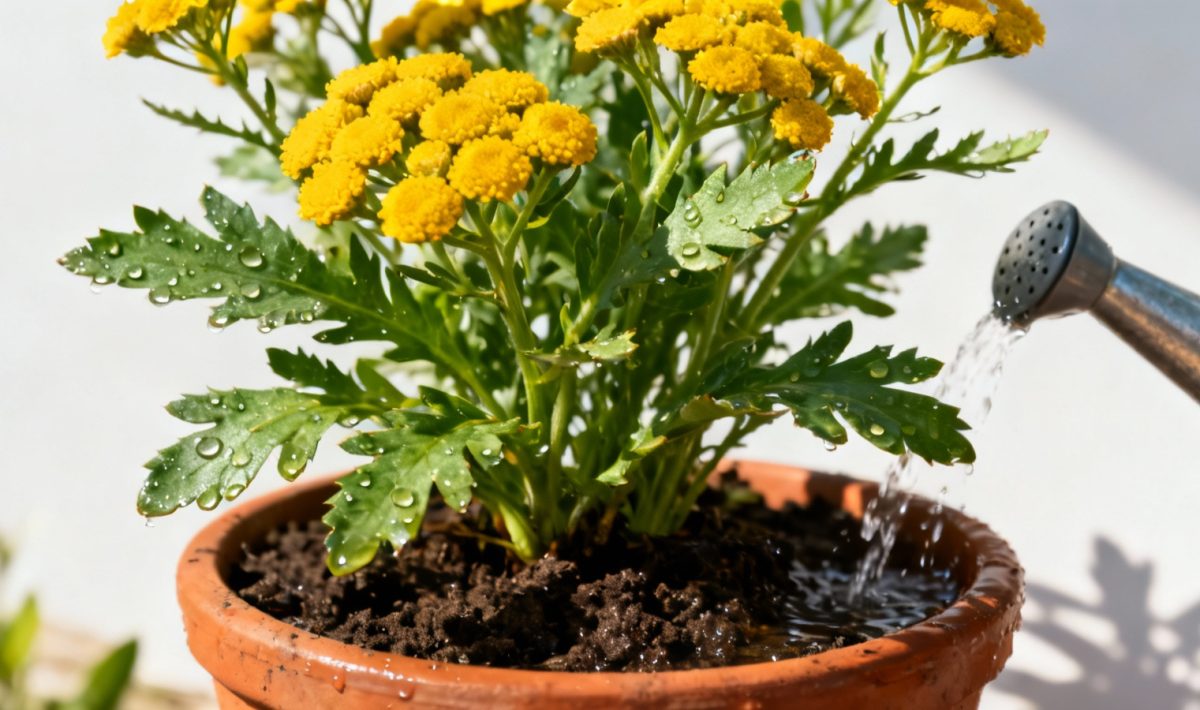
Tansy ragwort stands out as one of the most resilient wild herbs you’ll encounter in your garden. This hardy plant actually thrives with minimal water intervention, making it quite different from other garden herbs. Understanding how often should you water your tansy ragwort begins with recognizing its natural preferences for well-drained soil conditions.
The herb typically flourishes in areas where water doesn’t accumulate, preferring sandy or loamy soils that allow excess moisture to drain away quickly. Most gardeners find that tansy ragwort performs best when watered deeply but infrequently, mimicking the natural rainfall patterns of its native habitat.
Natural habitat and water preferences
In the wild, tansy ragwort grows in disturbed soils, roadsides, and open fields where water drains naturally. These plants have evolved to handle periods of drought followed by occasional moisture. The herb’s deep taproot system allows it to access water from lower soil layers, reducing its dependence on frequent surface watering.
The description of its natural growing conditions reveals why overwatering can actually harm tansy ragwort more than underwatering. The plant’s leaves show stress signs when soil remains consistently wet, developing yellowing or wilting despite adequate moisture.
Seasonal watering patterns
Spring represents the most critical watering period for tansy ragwort. Young plants establishing their root systems benefit from consistent moisture during their first few weeks. However, once established, reduce watering frequency to prevent root rot and encourage deeper root development.
Summer watering should focus on deep, weekly applications rather than daily light sprinklings. The herb’s natural tolerance for heat means it can survive extended dry periods once mature. For those also managing other garden plants, similar principles apply when considering watering your common tansy properly.
During autumn, tansy ragwort enters dormancy preparation and requires minimal water. Reduce watering frequency to monthly applications, allowing the plant to naturally adjust to cooler temperatures and shorter days.
Factors affecting watering frequency
Soil composition and drainage
Clay soils retain moisture longer, requiring less frequent watering sessions for tansy ragwort. Sandy soils drain quickly and may need more regular water applications, though still following the deep-watering principle. Testing your soil’s drainage helps determine the optimal watering schedule for your specific growing conditions.
Adding organic matter improves soil structure while maintaining proper drainage characteristics. Compost or aged manure creates the ideal growing medium that holds moisture without becoming waterlogged.
Climate and weather conditions
Regional climate significantly impacts watering needs for tansy ragwort. Areas with high humidity require less frequent watering, while arid regions may need weekly deep watering during growing season. Monitor local weather patterns and adjust your watering schedule accordingly.
Wind exposure also affects moisture loss through increased evaporation. Plants in windy locations may need slightly more frequent watering than those in sheltered spots. The violet flowers of tansy ragwort serve as indicators of plant health and proper hydration levels.
Plant age and development stage
Young tansy ragwort seedlings need more consistent moisture than established plants. Water seedlings every 2-3 days with light applications until roots develop sufficiently. Mature plants can tolerate weekly watering or even longer intervals between water applications.
Second-year plants developing their characteristic yellow flower heads require moderate water increase during blooming period. This ensures proper flower development while maintaining the plant’s natural hardiness. Similar care principles apply to other flowering plants, such as understanding keeping your zinnias well-watered for optimal blooms.
Proper watering techniques
Deep watering methods
Apply water slowly at the base of tansy ragwort plants, allowing soil to absorb moisture gradually. Deep watering encourages roots to grow downward rather than spreading near the surface. Use a soaker hose or drip irrigation system for best results with established plants.
Morning watering proves most effective, giving plants time to absorb moisture before heat increases evaporation rates. Avoid watering leaves directly, as this can promote fungal issues in humid conditions.
Signs of proper hydration
Healthy tansy ragwort displays vibrant green foliage and sturdy stem growth. The herb’s natural state includes slightly silvery-green leaves that shouldn’t appear wilted or yellowing. Soil should feel moist but not soggy when tested with your finger about two inches deep.
Overwatered tansy ragwort shows yellowing lower leaves and soft, mushy stems. The plant may develop a sickly appearance despite receiving plenty of water. These signs indicate the need to reduce watering frequency immediately.
Water quality considerations
Tansy ragwort tolerates various water sources, including rainwater, tap water, and well water. However, avoid using softened water, which contains high sodium levels that can damage plant roots over time. Collected rainwater provides the most natural option for watering this wild herb.
Water temperature should be close to ambient air temperature to avoid shocking plant roots. Cold water can slow growth, while very warm water may damage delicate root hairs responsible for nutrient absorption.
Common watering mistakes to avoid
Overwatering complications
The most frequent error involves watering tansy ragwort too frequently with small amounts. This practice creates shallow root systems vulnerable to drought stress. Instead, water deeply once weekly or less frequently, depending on soil conditions and weather patterns.
Waterlogged soil leads to root rot, which can kill even established tansy ragwort plants. The herb’s natural hardiness becomes compromised when roots remain constantly wet. Proper drainage remains more important than frequent watering for this resilient plant.
Timing and application errors
Evening watering leaves plants vulnerable to fungal diseases, as moisture remains on leaves throughout cool night hours. Late afternoon watering during hot weather can cause leaf burn as water droplets act like magnifying glasses under intense sunlight.
Inconsistent watering patterns stress plants more than maintaining a regular schedule. Establish a routine that accounts for seasonal changes and stick to it for best results. The same principle applies when managing vegetables, such as learning watering tips for healthy cabbage growth.
Seasonal care adjustments
Spring establishment period
New tansy ragwort plantings require more attention during spring months. Water every 2-3 days for the first month, then gradually extend intervals as roots establish. Monitor soil moisture levels carefully during this critical development phase.
Spring rains often provide sufficient moisture, reducing the need for supplemental watering. Check weather forecasts and adjust watering schedules accordingly. Natural rainfall typically supplies adequate moisture during this season in most regions.
Summer maintenance routine
Established tansy ragwort needs weekly deep watering during summer heat. Apply water slowly to allow soil penetration without runoff. The herb’s drought tolerance increases significantly once fully established in suitable growing conditions.
Mulching around plants helps retain soil moisture while suppressing competing weeds. Organic mulch materials break down gradually, improving soil structure and water retention capabilities. This technique also works well with other garden plants, including understanding proper care for kikuyu grass in lawn areas.
Winter dormancy care
Tansy ragwort enters dormancy during winter months, requiring minimal water throughout this period. Monthly watering may suffice in areas without regular winter precipitation. Avoid watering frozen soil, as this can damage plant roots when water expands during freezing.
Prepare plants for winter by reducing watering frequency gradually during late autumn. This helps tansy ragwort enter dormancy naturally and increases cold tolerance. Resume normal watering schedules when new growth appears in spring.
Companion planting considerations
Growing tansy ragwort alongside other herbs or flowers requires balancing different watering needs. Choose companion plants with similar water requirements to simplify garden maintenance. Mediterranean herbs like rosemary and lavender pair well with tansy ragwort’s low-water preferences.
Avoid planting tansy ragwort near water-loving plants that require frequent irrigation. The conflicting water needs can create challenges in maintaining optimal growing conditions for all plants. Consider grouping plants by their moisture requirements for easier care management.
Some gardeners successfully combine tansy ragwort with other drought-tolerant flowering plants. This approach works particularly well when considering best practices for African marigolds that share similar water preferences.
Monitoring plant health indicators
Healthy tansy ragwort displays consistent growth patterns and vibrant foliage color throughout the growing season. Regular observation helps identify watering issues before they become serious problems. Check plants weekly during active growing periods for signs of stress or disease.
The herb’s natural resilience makes it an excellent indicator plant for garden water management. When tansy ragwort shows stress, other plants likely need attention too. Use this characteristic to guide overall garden watering decisions.
Document watering schedules and plant responses to develop personalized care routines. Each garden location presents unique challenges requiring adapted watering strategies. Even specialized plants like those discussed in caring for your dragon fruit plant benefit from careful observation and adjustment.
Long-term sustainability practices
Establishing tansy ragwort with proper watering habits creates low-maintenance garden additions that thrive with minimal intervention. Focus on building healthy soil structure rather than relying on frequent watering to support plant growth.
Water conservation becomes increasingly important in modern gardening practices. Tansy ragwort’s natural drought tolerance makes it an excellent choice for sustainable landscaping projects. The herb requires fewer resources while providing ecological benefits through its hardy nature.
Consider rainfall collection systems to supply water for tansy ragwort and other garden plants. Natural water sources reduce dependence on treated municipal water while providing plants with optimal hydration. This sustainable approach benefits both your garden and the environment.
Allan is a lifelong gardening enthusiast who still gets excited when the first seedlings pop up in spring. With a deep love for nature and a hands-in-the-soil approach, he shares practical tips, plant discoveries, and clever tricks picked up over years of digging, planting, and observing. Whether you’re a new gardener or have a shed full of tools, Allan writes like a neighbor who’s always happy to swap cuttings and stories over the fence.
You can find more about Allan’s work on Malt or connect with him on LinkedIn.