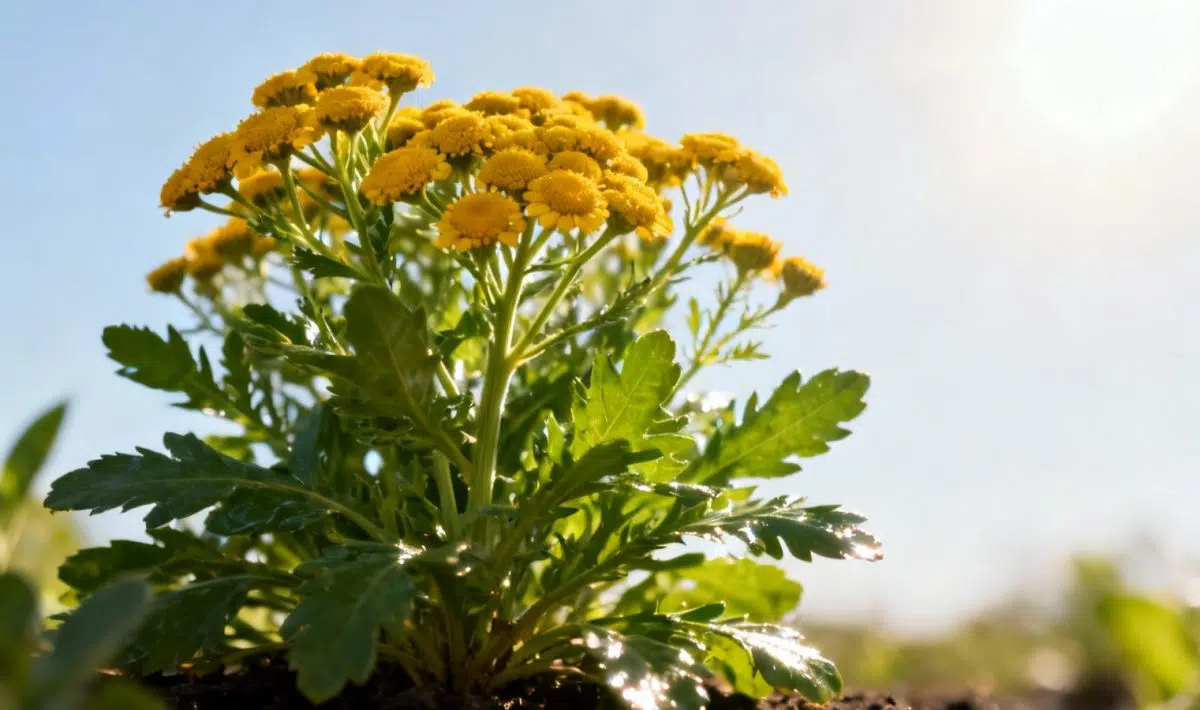
Tansy ragwort, scientifically known as Jacobaea vulgaris, is a hardy plant that has specific sunlight requirements for optimal growth. Understanding these light needs is essential for anyone dealing with this species, whether for cultivation purposes or management strategies. This resilient plant thrives in bright conditions and has adapted well to various environmental settings across the world.
Sunlight requirements for tansy ragwort
Tansy ragwort requires a minimum of 6 to 8 hours of direct sunlight daily for proper development. The plant performs best in full sun conditions, though it can tolerate partial shade for short periods. Morning sunlight is particularly beneficial for the plant’s photosynthesis cycle and overall health. These light requirements make tansy ragwort well-suited for open areas such as meadows, roadsides, and disturbed soil locations.
In nature, you’ll find this green plant flourishing in areas with abundant natural light exposure. The species has evolved to compete effectively in sunny environments where other plants might struggle. This adaptation allows tansy ragwort to establish itself quickly in fresh, disturbed soils where competition from tree cover is minimal.
Light conditions and germination
Light plays a crucial role in the germination process of tansy ragwort seeds. The seeds require direct light exposure to break dormancy and begin sprouting. Seeds buried deeper than approximately 2 cm (0.75 inches) typically remain dormant due to insufficient light penetration. This characteristic explains why the plant often establishes itself on soil surfaces where light is readily available.
The germination process is closely tied to seasonal light patterns and soil temperature. During the appropriate season, when light conditions are optimal, seeds can germinate rapidly and establish robust root systems. This dependency on light for germination is similar to other plants like sunlight requirements for selloum growth, which also need specific light conditions to thrive.
Growing conditions beyond sunlight
Soil and environmental factors
While sunlight is critical, tansy ragwort also requires well-draining soil conditions. The plant adapts to various soil types but prefers neutral to slightly alkaline pH levels. Good drainage prevents root rot and allows the plant to establish a strong foundation during its growth cycle. These hardy plants can tolerate cold weather conditions better than many other species.
The plant’s ability to grow in diverse soil conditions makes it particularly resilient. From sandy soils to clay-based earth, tansy ragwort can adapt as long as adequate sunlight and drainage are present. This flexibility in soil requirements, combined with its light needs, explains why the species spreads effectively in many regions.
Seasonal growth patterns
Tansy ragwort follows a biennial life cycle, meaning it typically completes its life span over two growing seasons. During the first year, the plant focuses on establishing a robust root system and developing its characteristic rosette of leaves. The second year sees the development of the distinctive yellow flower heads that make the plant easily recognizable.
Understanding this cycle is important for anyone managing these plants. The first-year growth requires consistent sunlight to build energy reserves, while the second-year flowering and seed production demand even more intense light exposure. Much like optimal sunlight conditions for Jimsonweed, proper light management throughout the entire growth cycle is essential.
Practical considerations for cultivation
Site selection and preparation
When selecting locations for tansy ragwort, choose areas that receive morning sunlight and maintain good air circulation. Avoid heavily shaded areas under dense tree canopies, as insufficient light will result in weak, spindly growth. The site should offer protection from strong winds while maintaining excellent light exposure throughout most of the day.
Soil preparation involves ensuring adequate drainage while maintaining soil structure. Like many plants with specific light requirements, including rutabaga’s sunlight needs for growth, tansy ragwort benefits from well-prepared growing surfaces that complement its light needs.
Monitoring and maintenance
Regular monitoring of light conditions becomes important as surrounding vegetation changes. Trees and shrubs can gradually reduce available sunlight, affecting plant performance over time. Maintaining clear sight lines to ensure consistent light exposure helps preserve optimal growing conditions throughout the season.
The white roots of tansy ragwort spread efficiently when light conditions remain stable. However, sudden changes in light availability can stress the plant and affect its normal development patterns. Similar to cultivating oregano in sunlight conditions, consistent light management produces the best results.
Common challenges and solutions
One frequent challenge involves managing tansy ragwort in areas where light conditions fluctuate. Seasonal changes in tree coverage can create varying light levels that affect plant performance. Understanding these patterns helps in planning appropriate management strategies and timing interventions effectively.
Another consideration involves the plant’s interaction with other species in mixed growing environments. Tansy ragwort’s competitive advantage in full sun conditions means it can outcompete other plants when light is abundant. However, in partially shaded conditions, other species may gain advantages over tansy ragwort.
Key recommendations
For optimal tansy ragwort growth, ensure the plant receives at least 6-8 hours of direct sunlight daily. Choose locations with excellent drainage and minimal competition from overhead vegetation. Monitor seasonal light changes and adjust management practices accordingly. Remember that this hardy species performs best when its fundamental light requirements are consistently met throughout its growing cycle.
Understanding these sunlight requirements enables better decision-making whether you’re cultivating tansy ragwort intentionally or managing its presence in existing landscapes. The plant’s dependence on adequate light provides one effective angle for controlling its spread in areas where management is desired.

Allan is a lifelong gardening enthusiast who still gets excited when the first seedlings pop up in spring. With a deep love for nature and a hands-in-the-soil approach, he shares practical tips, plant discoveries, and clever tricks picked up over years of digging, planting, and observing. Whether you’re a new gardener or have a shed full of tools, Allan writes like a neighbor who’s always happy to swap cuttings and stories over the fence.
You can find more about Allan’s work on Malt or connect with him on LinkedIn.