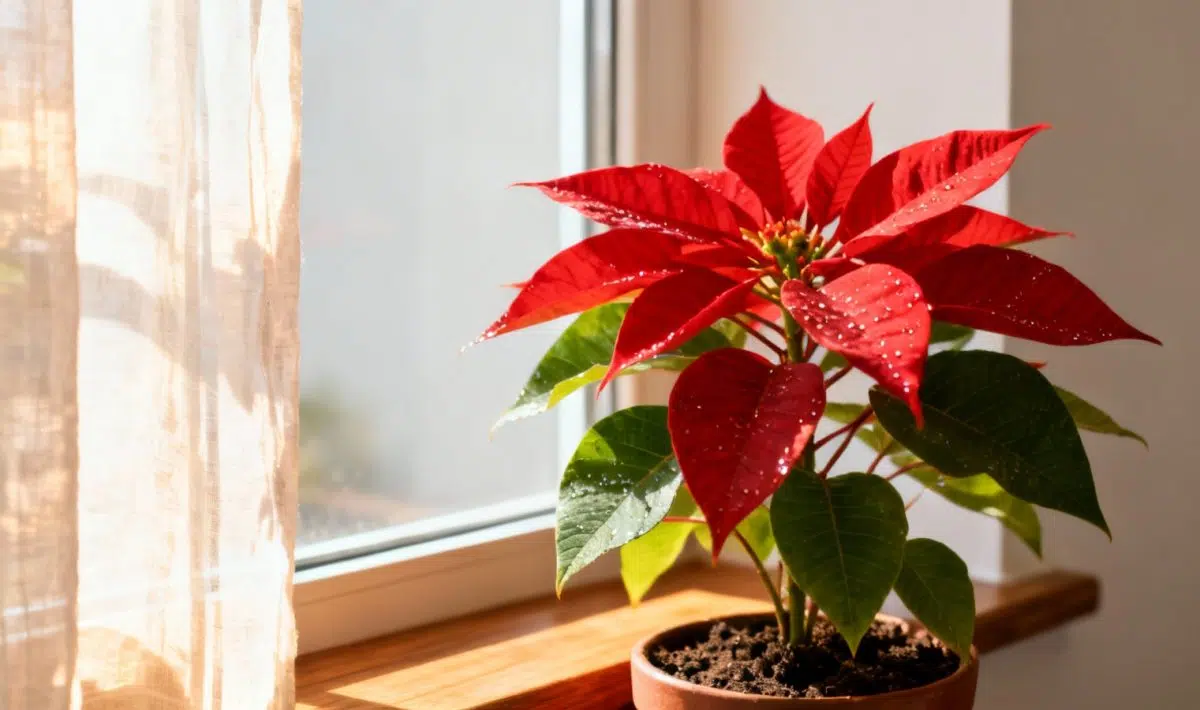
Understanding the Scarlet-star and its light requirements
The Scarlet-star (Guzmania lingulata) is one of those tropical beauties that can transform any indoor space with its vibrant red blooms and lush green foliage. This bromeliad plant has captured the hearts of gardening enthusiasts worldwide, but getting its sunlight needs right is crucial for success. Many new plant parents wonder exactly how much light this stunning specimen requires to thrive.
What makes the Scarlet-star special is its natural habitat preference for dappled, filtered light rather than harsh direct sun. Understanding this basic need will set you on the right path for successful cultivation, whether you’re growing it as a houseplant or incorporating it into your garden design.
What makes Scarlet-star unique among tropical plants
This remarkable plant belongs to the bromeliad family, which means it shares characteristics with pineapples and other epiphytic species. In nature, these plants typically grow attached to trees in tropical rainforests, where they receive bright but filtered sunlight through the forest canopy. This natural growing pattern gives us important clues about their indoor care requirements.
The Scarlet-star produces stunning flower bracts that can last for several months, making it an excellent choice for those seeking long-lasting indoor color. However, achieving this spectacular display depends heavily on providing the right amount and type of light throughout the growing season.
Essential sunlight needs for healthy Scarlet-star growth
When it comes to how much sunlight does Scarlet-star need, the answer is quite specific: this plant thrives with 3 to 6 hours of bright, indirect light daily. Direct sunlight can actually harm the delicate leaves, causing them to burn or develop unsightly brown spots that diminish the plant’s overall appearance.
For optimal results, you can extend this to 10-12 hours of bright indirect light when combining natural window light with artificial supplementation. This extended lighting period is particularly beneficial during darker winter months or in homes with limited natural light sources.
Direct versus indirect sunlight exposure
Understanding the difference between direct and indirect light is crucial for Scarlet-star success. Direct sunlight means the sun’s rays hit the plant unfiltered, which can be too intense for these tropical beauties. Instead, they prefer bright indirect light, which you can achieve by placing them near a window with sheer curtains or in a spot that receives reflected light.
Signs that your plant is receiving too much direct sun include yellowing or browning leaf tips, faded leaf color, and wilting even when the soil is moist. If you notice these symptoms, it’s time to relocate your Scarlet-star to a spot with gentler lighting conditions.
Recognizing insufficient light conditions
Just as too much direct sun can harm your Scarlet-star, insufficient light creates its own set of problems. Plants that don’t receive enough light often display elongated, weak growth as they stretch toward available light sources. The leaves may appear darker green than usual, and most importantly, flowering may be delayed or completely absent.
You might also notice slower overall growth and a general lack of vibrancy in the plant’s appearance. These are clear indicators that your Scarlet-star needs more light, though remember to increase it gradually rather than moving the plant to a much brighter location all at once.
Solutions for optimal light supplementation
When natural light isn’t sufficient, artificial lighting can bridge the gap effectively. LED grow lights positioned about 12 inches from the plant and operated for 12-14 hours daily can provide excellent supplementation. This approach works particularly well during winter months when daylight hours are naturally shorter.
Fluorescent lights also work well for Scarlet-star cultivation, though they should be placed closer to the plant than LEDs. The key is maintaining consistent lighting without creating heat stress, which can be just as damaging as insufficient light.
Soil and environmental factors affecting light utilization
The relationship between soil conditions and light absorption is often overlooked but incredibly important for Scarlet-star health. Well-draining soil that retains some moisture allows the plant to efficiently process the energy it receives from light photosynthesis. Just like understanding sunlight requirements for selloum plants, getting both soil and light conditions right creates the foundation for thriving growth.
A good potting mix for Scarlet-star should contain elements like orchid bark, perlite, and peat moss to create the airy, moisture-retentive environment these plants love. This type of soil allows roots to breathe while maintaining the consistent moisture levels that support efficient light processing.
Creating the perfect growing environment
Humidity plays a crucial role in how effectively your Scarlet-star uses available light. These tropical plants prefer humidity levels between 50-60%, which helps them process light energy more efficiently. You can achieve this through regular misting, humidity trays, or grouping plants together to create a microclimate.
Temperature consistency also affects light utilization. Scarlet-stars perform best in temperatures between 65-75°F (18-24°C), and fluctuations outside this range can impact how well they convert light into energy for growth and flowering.
Maximizing light exposure in your garden or home
Choosing the right location for your Scarlet-star is perhaps the most important decision you’ll make as a gardener. East-facing windows provide excellent morning light that’s gentle enough for these plants, while north-facing windows offer consistent, indirect light throughout the day without the risk of burning.
If you’re growing Scarlet-star outdoors in suitable climates, look for spots under larger plants or trees that provide natural filtration. The dappled light conditions found under pergolas or shade cloth can also create ideal growing environments for these tropical beauties.
Indoor positioning strategies
Rotating your Scarlet-star regularly ensures even light exposure on all sides, promoting balanced growth and preventing the plant from leaning toward its light source. A quarter turn each week is sufficient to maintain good plant symmetry and health.
Consider using mirrors or light-colored walls to reflect additional gentle light toward your plant. This technique can increase overall light levels without creating the harsh conditions that direct sunlight would produce.
Seasonal adjustments for optimal growth
Light needs may vary slightly with the seasons, and successful gardeners adjust their care accordingly. During summer months when natural light is more intense, you might need to move your Scarlet-star slightly further from windows or add more filtration. Similarly, understanding Jimsonweed sunlight needs explained shows how different plants adapt to seasonal light changes.
Winter care often requires moving plants closer to light sources or supplementing with artificial lighting. This seasonal awareness helps maintain consistent growth patterns and supports regular flowering cycles throughout the year.
Advanced care techniques for thriving Scarlet-stars
Once you’ve mastered the basic light requirements, you can fine-tune your approach for even better results. Monitoring your plant’s response to current lighting conditions helps you make small adjustments that can significantly improve growth and flowering.
Professional growers often use light meters to measure the exact amount of light their plants receive, aiming for approximately 1000-2000 foot-candles for optimal Scarlet-star growth. While this level of precision isn’t necessary for home gardeners, it demonstrates the importance of consistent, adequate lighting.
Troubleshooting common lighting problems
If your Scarlet-star isn’t flowering despite good care, insufficient light is often the culprit. These plants need adequate light energy to produce their spectacular blooms, and even slight deficiencies can prevent flowering while allowing vegetative growth to continue.
Leaf color changes can also indicate lighting issues. Pale or washed-out foliage suggests too much direct light, while unusually dark leaves often indicate insufficient light levels. Learning to read these plant signals helps you make timely adjustments for better results.
Much like how essential sunlight for rutabaga growth requires specific attention to light conditions, Scarlet-star cultivation benefits from careful observation and responsive care adjustments based on the plant’s visual feedback.
Long-term success with proper light management
Consistent light management over time creates the foundation for long-term Scarlet-star success. These plants can live for several years with proper care, producing multiple flowering cycles and even offspring plants called pups that you can propagate for additional specimens.
Establishing a routine that includes regular position adjustments, seasonal lighting modifications, and careful monitoring of plant health ensures your Scarlet-star will reward you with years of beautiful blooms and lush tropical foliage.
Building your tropical plant collection
Success with Scarlet-star often leads gardeners to explore other tropical plants with similar light requirements. Understanding how different species utilize light helps you create cohesive indoor gardens where multiple plants thrive under similar conditions.
The principles you learn from Scarlet-star care translate well to other bromeliads and tropical houseplants, making it an excellent stepping stone for expanding your gardening skills. Just as optimal sunlight for oregano cultivation requires specific knowledge, each plant species has unique needs that become easier to understand with experience.
With proper attention to lighting needs and consistent care, your Scarlet-star will become a stunning centerpiece that brings tropical beauty into your home year-round. The key is patience, observation, and willingness to adjust your approach based on what your plant tells you through its growth and appearance.
Allan is a lifelong gardening enthusiast who still gets excited when the first seedlings pop up in spring. With a deep love for nature and a hands-in-the-soil approach, he shares practical tips, plant discoveries, and clever tricks picked up over years of digging, planting, and observing. Whether you’re a new gardener or have a shed full of tools, Allan writes like a neighbor who’s always happy to swap cuttings and stories over the fence.
You can find more about Allan’s work on Malt or connect with him on LinkedIn.