
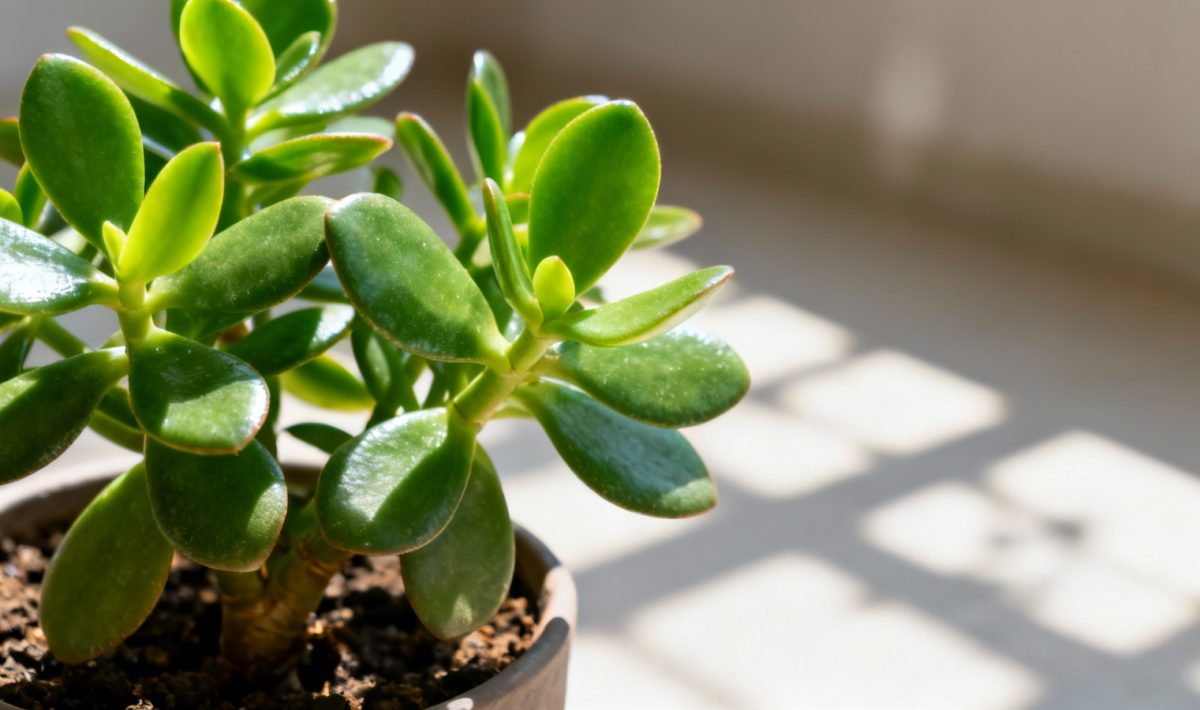
The Elephant bush, scientifically known as Portulacaria afra, is a stunning succulent that demands careful attention to its lighting needs. Understanding how much sunlight does Elephant bush need is crucial for maintaining this beautiful plant’s health and vibrant appearance. This South African native has specific requirements that, when met properly, will reward you with lush growth and striking foliage.
Understanding the Elephant bush and its natural habitat
Portulacaria afra originates from the arid regions of South Africa, where it thrives under intense sunlight and harsh conditions. In its natural environment, this succulent experiences bright, direct sunlight for most of the day. The plant has adapted to these conditions by developing thick, fleshy leaves that store water efficiently and a robust structure that can withstand strong UV rays.
The Elephant bush features small, glossy green leaves arranged along thick, woody stems. This architectural structure makes it perfect for both indoor and outdoor cultivation. When grown in optimal conditions, the plant maintains its compact form and develops beautiful reddish stems that contrast beautifully with the jade-colored foliage.
Understanding these natural preferences helps us create the ideal environment for our Elephant bush. Just as sunlight requirements for selloum vary based on the plant’s origin, the Portulacaria afra’s African heritage tells us it craves abundant light to flourish in our homes and gardens.
Optimal sunlight requirements for indoor Elephant bush care
When growing your Elephant bush indoors, positioning becomes critical for success. This succulent requires extremely bright light, ideally receiving 4-6 hours of direct sunlight daily. A south-facing window typically provides the best conditions, though west-facing windows can also work well during afternoon hours.
For indoor cultivation, aim for light levels exceeding 10,000-20,000 lux during daylight hours. This intense brightness ensures your plant maintains its compact growth habit and prevents the stretching that occurs in low-light conditions. Position your Elephant bush within 50cm to 1 meter of the window to maximize light exposure without risking heat damage from direct glass contact.
If you notice your plant becoming leggy or losing its vibrant color, it’s likely not receiving sufficient light. Consider supplementing with grow lights during darker months or relocating to a brighter spot. The investment in proper lighting will dramatically improve your plant’s health and appearance.
Seasonal adjustments for optimal growth
During summer months, your Elephant bush will appreciate maximum sunlight exposure. However, be cautious of intense afternoon sun through glass windows, which can cause leaf burn. If you notice brown or scorched patches on leaves, consider using sheer curtains to filter the harshest rays while maintaining bright conditions.
Winter care requires different strategies since daylight hours decrease significantly. Move your plant to the brightest available location and consider rotating it weekly to ensure even light exposure. Some gardeners successfully use full-spectrum LED grow lights during winter months to supplement natural lighting.
Outdoor cultivation and sun exposure
Elephant bush thrives magnificently outdoors in suitable climates. When grown outside, this succulent can handle full sun exposure once properly acclimated. Start by gradually increasing sun exposure over several weeks to prevent shock and leaf burn.
In temperate regions, position your Elephant bush where it receives morning sun and some afternoon protection during the hottest months. This approach mirrors the lighting needs of many plants, similar to how optimal sunlight for Jimsonweed requires careful consideration of intense afternoon heat.
For container growing outdoors, choose locations with excellent drainage and protection from harsh winds. The combination of bright light and good air circulation promotes healthy growth while preventing fungal issues that can occur in stagnant conditions.
Using grow lights effectively
When natural light proves insufficient, high-quality grow lights become essential tools. LED full-spectrum lights work exceptionally well for Elephant bush, providing the intensity needed without excessive heat generation. Position lights 12-18 inches above the plant and run them for 12-14 hours daily during growing season.
Fluorescent lights can work but require closer positioning due to lower intensity. Whatever lighting system you choose, ensure it provides adequate coverage for your plant’s entire canopy to prevent uneven growth patterns.
Common lighting problems and solutions
Insufficient light creates several recognizable symptoms in Elephant bush. The most obvious sign is etiolation – excessive stretching between leaf nodes that creates a leggy, weak appearance. Leaves may also become pale green or yellowish, losing their characteristic deep jade color.
When plants don’t receive enough light, growth slows dramatically and the compact, bushy form begins deteriorating. You might notice leaves dropping from lower branches as the plant redirects energy to newer growth reaching for available light sources.
Conversely, excessive direct sunlight can cause leaf burn, particularly when plants transition from low-light to high-light conditions too quickly. Burnt leaves develop brown, crispy patches that won’t recover. However, with proper acclimation, most Elephant bush plants can adapt to very bright conditions.
Troubleshooting and recovery strategies
If your Elephant bush shows signs of insufficient lighting, immediately relocate it to a brighter position. Gradually increase light exposure over 1-2 weeks to prevent shock. Pruning leggy growth can encourage bushier development once proper lighting is established.
For plants suffering from light burn, move them to bright indirect light and remove severely damaged leaves. Healthy tissue will gradually recover, and new growth should appear normal once the plant adjusts to appropriate light levels.
Understanding lighting requirements helps with cultivation of various plants, much like knowing growing rutabaga and sunlight needs helps vegetable gardeners succeed with their crops.
Maximizing health through proper care integration
Proper lighting works best when combined with appropriate watering, soil, and temperature management. Elephant bush in bright light will require more frequent watering than those in lower light conditions. Monitor soil moisture carefully and adjust watering schedules based on your plant’s light exposure.
Well-draining soil becomes even more critical for plants receiving intense sunlight. Use cactus and succulent potting mix, or create your own blend with regular potting soil, perlite, and coarse sand. This combination prevents waterlogging while supporting vigorous root development.
Temperature considerations also matter when maximizing light exposure. Elephant bush prefers temperatures between 65-80°F (18-27°C). In very bright, hot conditions, ensure adequate ventilation to prevent overheating while maintaining optimal growing temperatures.
Similar to how cultivating oregano with sunlight requires balancing multiple environmental factors, successful Elephant bush cultivation depends on harmonizing light, water, and soil conditions for optimal results.
Long-term success with your Elephant bush
Maintaining proper sunlight exposure consistently leads to spectacular long-term results with Elephant bush. Plants grown in optimal lighting develop thick, woody stems and dense foliage that creates beautiful architectural interest in any setting.
Regular monitoring and seasonal adjustments ensure your plant continues thriving year after year. Keep notes about your plant’s response to different lighting conditions and locations – this information becomes invaluable for fine-tuning care over time.
With proper attention to sunlight requirements, your Elephant bush will reward you with years of beauty and potentially even small white or pink flowers during favorable growing seasons. The investment in understanding and providing appropriate lighting pays dividends in plant health and visual appeal.

Allan is a lifelong gardening enthusiast who still gets excited when the first seedlings pop up in spring. With a deep love for nature and a hands-in-the-soil approach, he shares practical tips, plant discoveries, and clever tricks picked up over years of digging, planting, and observing. Whether you’re a new gardener or have a shed full of tools, Allan writes like a neighbor who’s always happy to swap cuttings and stories over the fence.
You can find more about Allan’s work on Malt or connect with him on LinkedIn.


