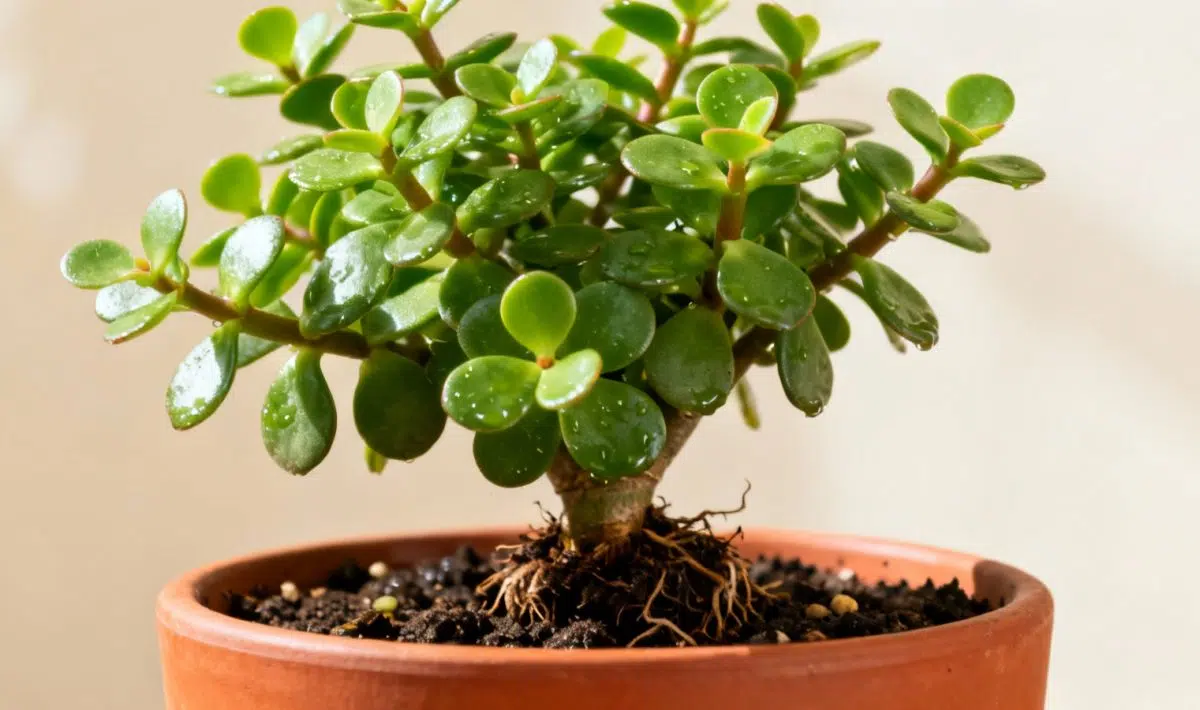
Elephant bush – Portulacaria afra: light requirements, watering and repotting care
The elephant bush, scientifically known as Portulacaria afra, has become one of the most beloved succulents for indoor gardening enthusiasts. This charming plant, also called spekboom in its native South Africa, offers an incredible combination of easy care and striking visual appeal. With its glossy green leaves and reddish stems, it brings a touch of natural elegance to any space.
What makes this succulent particularly special is its remarkable adaptability. Whether you’re a beginner or an experienced plant parent, the elephant bush responds beautifully to proper care while forgiving occasional mistakes. Its ability to thrive in various conditions makes it an excellent choice for those looking to expand their succulent collection.
The Portulacaria afra displays distinctive features that set it apart from other succulents. Its small, oval-shaped leaves measure approximately 1-2 cm and store water efficiently, giving them a plump, glossy appearance. These leaves grow along reddish-brown stems that become woody with age, creating an attractive contrast.
In its natural habitat, this plant can reach impressive heights of 3-5 meters, forming dense shrubs. However, when grown indoors, it typically maintains a more manageable size of 2-3 feet. The plant’s rapid growth rate makes it particularly rewarding for those who enjoy watching their plants develop over time.
One fascinating aspect of this succulent is its ecological importance in South Africa, where it plays a crucial role in carbon sequestration. Recent studies have shown that these plants can absorb up to 10 tonnes of CO₂ per hectare annually, making them valuable for environmental restoration projects.
Light requirements for optimal growth
Proper lighting is absolutely crucial for maintaining a healthy elephant bush. These plants thrive in bright, indirect sunlight for most of the day. A south-facing window with sheer curtains or an east-facing window provides ideal conditions for indoor cultivation.
Direct sunlight can be beneficial, but it should be limited to morning hours to prevent leaf scorching. If you notice the leaves becoming pale or developing brown spots, this typically indicates too much direct sun exposure. Conversely, leggy growth and pale coloration suggest insufficient light.
During winter months, you might need to supplement natural light with grow lights. Position LED grow lights 12-18 inches above the plant and run them for 10-12 hours daily. This ensures consistent growth throughout the darker months when natural light is limited.
Indoor placement strategies
When selecting the perfect spot in your home, consider areas that receive consistent bright light throughout the day. Living rooms with large windows, sunrooms, or conservatories often provide excellent conditions. Avoid placing your elephant bush in bathrooms or kitchens where humidity levels fluctuate significantly.
Rotating your plant weekly ensures even growth on all sides. This simple practice prevents the plant from leaning toward the light source and maintains its balanced, attractive shape.
Mastering the watering technique
Understanding when and how to water your Portulacaria afra is essential for its health and longevity. These succulents prefer the “soak and dry” method, which mimics their natural rainfall patterns in South Africa.
Water thoroughly until water drains from the bottom holes, then wait until the soil is completely dry before watering again. This typically occurs every 7-10 days during growing season and every 2-3 weeks during winter dormancy. The frequency depends on factors like temperature, humidity, and pot size.
Check soil moisture by inserting your finger 1-2 inches into the soil. If it feels dry, it’s time to water. Wrinkled or soft leaves often indicate underwatering, while yellow, mushy leaves suggest overwatering.
Seasonal watering adjustments
During spring and summer, your elephant bush enters its active growth phase and requires more frequent watering. However, winter brings a natural dormancy period when the plant’s water needs decrease significantly. Reducing watering frequency during these months prevents root rot and maintains plant health.
Always use room temperature water and avoid getting water on the leaves, especially if the plant sits in direct sunlight. Water early in the morning to allow excess moisture to evaporate throughout the day.
Repotting essentials for healthy development
Repotting your elephant bush every 2-3 years promotes continued growth and prevents the plant from becoming root-bound. The best time for repotting is during spring when the plant begins its active growing season.
Choose a pot that’s only slightly larger than the current one, as succulents prefer to be slightly root-bound. Ensure the new container has drainage holes to prevent water accumulation. Terra cotta pots work exceptionally well because they’re porous and allow soil to dry more quickly.
Use a well-draining succulent soil mix that contains perlite, pumice, or coarse sand. You can create your own mix by combining regular potting soil with equal parts perlite and coarse sand. This combination provides excellent drainage while retaining just enough moisture for healthy growth.
Step-by-step repotting process
Begin by gently removing the plant from its current pot, being careful not to damage the roots. Shake off old soil and inspect the root system for any signs of rot or damage. Trim away any black or mushy roots with clean, sharp scissors.
Place a layer of fresh soil mix in the bottom of the new pot, position the plant at the same depth it was growing previously, then fill in around the roots with more soil mix. Water lightly after repotting and wait a week before resuming regular watering schedule.
Propagation techniques for expanding your collection
Propagating elephant bush is remarkably straightforward and rewarding. The most successful method involves stem cuttings, which root easily and quickly under proper conditions. This technique allows you to create new plants from your existing specimen or share with fellow gardening enthusiasts.
Take 4-6 inch cuttings from healthy, mature stems using clean, sharp scissors or pruning shears. Remove the lower leaves from the bottom 2 inches of the cutting, leaving only the top leaves intact. Allow the cut end to callus over for 2-3 days before planting.
Plant the callused cuttings in the same well-draining soil mix used for mature plants. Water lightly and place in bright, indirect light. Roots typically develop within 2-4 weeks, and new growth appears shortly after. For gardeners interested in expanding their propagation skills, techniques like those used in propagation tips for explosive garden growth can be adapted for various plant types.
Alternative propagation methods
Leaf propagation is possible but less reliable than stem cuttings. Select healthy, plump leaves and allow them to dry for several days before placing on soil surface. Mist lightly every few days and wait for tiny plantlets to emerge from the base of the leaf.
Water propagation offers another interesting approach. Place stem cuttings in a glass of water, changing the water every few days. Once roots develop, transfer carefully to soil and gradually reduce watering frequency as the plant establishes.
Creating optimal growing conditions
Temperature plays a crucial role in elephant bush health and growth. These plants prefer temperatures between 65-75°F (18-24°C) during the day and can tolerate nighttime temperatures down to 50°F (10°C). Extreme temperature fluctuations can stress the plant and slow growth.
Humidity levels should remain moderate, around 30-50%. Excessive humidity can lead to fungal problems, while extremely dry air may cause leaf drop. If your home is very dry, especially during winter, consider using a humidity tray filled with pebbles and water placed near the plant.
Good air circulation is equally important for preventing pest issues and maintaining overall plant health. Avoid placing your elephant bush in stagnant air areas or too close to heating and cooling vents where temperature and humidity fluctuate dramatically.
Companion planting considerations
When grouping succulents together, choose plants with similar care requirements. Other drought-tolerant species that pair well with elephant bush include jade plants, echeveria, and aloe varieties. This creates an attractive succulent garden while simplifying care routines.
Consider the mature size of each plant when arranging them together. While techniques for care and propagation of potatoes differ significantly from succulents, the principle of understanding each plant’s space requirements applies universally to successful gardening.
Troubleshooting common care issues
Even with proper care, elephant bush plants occasionally face challenges. Recognizing early warning signs helps address problems before they become serious. Yellowing leaves often indicate overwatering, while wrinkled, soft leaves suggest the plant needs more water.
Pest issues rarely affect healthy elephant bush plants, but mealybugs and spider mites can occasionally appear. Inspect your plant regularly, especially in leaf joints and along stems. Treat infestations immediately with rubbing alcohol applied with a cotton swab or insecticidal soap spray.
Leggy growth indicates insufficient light, while slow growth during the growing season might suggest the need for fertilizer. Use a balanced, diluted liquid fertilizer monthly during spring and summer, but avoid feeding during winter dormancy.
Recovery strategies for stressed plants
If your elephant bush shows signs of stress, first identify the likely cause. Adjust watering, lighting, or positioning as needed, then be patient as the plant recovers. Unlike fast-growing species such as growing and caring for borage, succulents recover more slowly but are generally quite resilient.
Severely overwatered plants may require repotting with fresh, dry soil after removing any rotted roots. Allow the plant to adjust to new conditions gradually, and avoid making multiple changes simultaneously, which can cause additional stress.
Seasonal care adjustments
Understanding seasonal changes helps maintain optimal elephant bush health year-round. During spring and summer active growth periods, increase watering frequency, provide maximum light, and consider monthly fertilization. This is also the ideal time for repotting and major pruning.
Fall marks the beginning of the plant’s transition to dormancy. Gradually reduce watering frequency and stop fertilizing. Move plants away from cold windows and consider supplemental lighting if natural light decreases significantly in your area.
Winter care focuses on maintaining stable conditions rather than promoting growth. Water sparingly, ensure adequate light, and avoid temperature extremes. While dormant, the plant is more susceptible to overwatering and cold damage. Unlike hardy perennials such as cultivating old man’s beard clematis, elephant bush requires protection from freezing temperatures.
The elephant bush truly deserves its reputation as an ideal houseplant for both beginners and experienced gardeners. Its combination of attractive appearance, easy care requirements, and remarkable adaptability makes it a valuable addition to any plant collection. With proper attention to lighting, watering, and seasonal adjustments, your Portulacaria afra will thrive and bring years of enjoyment to your indoor garden space.
Allan is a lifelong gardening enthusiast who still gets excited when the first seedlings pop up in spring. With a deep love for nature and a hands-in-the-soil approach, he shares practical tips, plant discoveries, and clever tricks picked up over years of digging, planting, and observing. Whether you’re a new gardener or have a shed full of tools, Allan writes like a neighbor who’s always happy to swap cuttings and stories over the fence.
You can find more about Allan’s work on Malt or connect with him on LinkedIn.