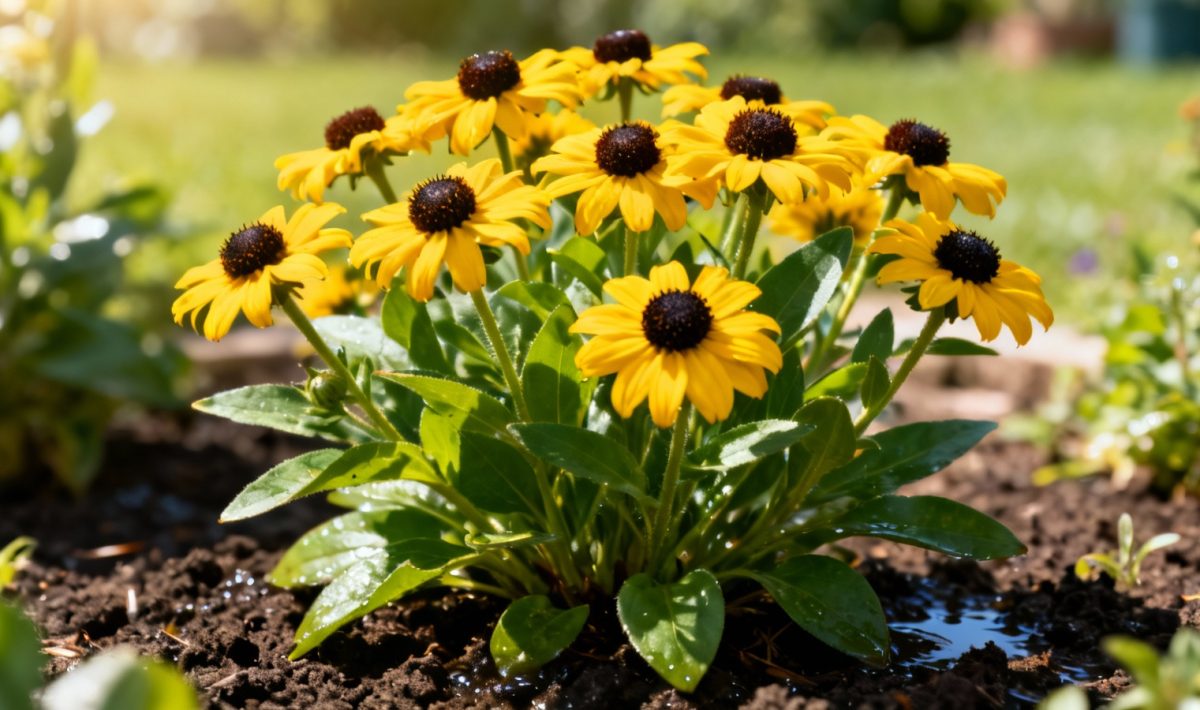
How often should you water your black-eyed susan for thriving blooms
Growing vibrant black-eyed susans in your garden starts with understanding how often should you water your black-eyed susan plants. These cheerful yellow flowers, scientifically known as Rudbeckia, are surprisingly drought-tolerant once established, but they do need consistent moisture during their early growth stages. Getting the watering schedule right can mean the difference between a lackluster display and a bountiful season of golden blooms that attract pollinators from across your green space.
Black-eyed susans are remarkably adaptable plants that can thrive with minimal fuss once you understand their basic requirements. These hardy perennials prefer well-draining soil and can actually suffer from overwatering more than underwatering. The key lies in providing deep, infrequent watering sessions rather than frequent shallow drinks.
During the establishment period, which typically spans the first growing season after planting seeds or transplants, your black-eyed susans will need more consistent moisture. This is when their root systems are developing and spreading into the ground. Once established, these tough plants can survive extended dry periods, making them perfect for low-maintenance gardening.
Several factors influence how much water your plants will need, including soil type, climate conditions, and the plant’s maturity level. Sandy soils drain quickly and may require more frequent watering, while clay soils hold moisture longer. Understanding these variables will help you develop the perfect watering routine for your specific garden conditions.
Watering schedule for newly planted seeds and young plants
When you first plant black-eyed susan seeds in your garden, consistent moisture is crucial for successful germination. Keep the soil evenly moist but not waterlogged for the first two to three weeks. This means checking the soil daily and watering lightly when the top inch feels dry to the touch.
Young seedlings and recently transplanted black-eyed susans need about one inch of water per week during their first growing season. It’s better to water deeply twice a week rather than giving them small daily drinks. Deep watering encourages the roots to grow down into the ground, creating a stronger, more drought-resistant plant.
During particularly hot spells, you might need to adjust your watering frequency. For example, when dealing with watering tomatoes during extreme heat, similar principles apply to all garden plants – they need extra attention during temperature extremes. Watch for signs of stress like wilting in the morning hours, which indicates your plants need immediate water.
Caring for established black-eyed susan plants
Once your black-eyed susans have been growing for a full season, their watering needs change dramatically. Established plants typically need supplemental watering only during extended dry periods lasting more than two weeks without rain. These mature plants have developed extensive root systems that can access moisture deep in the soil.
During normal weather conditions, you can reduce watering to every 7-10 days, providing about half an inch of water each time. The best way to check if your plants need water is to dig down about 3-4 inches into the soil near the plant base. If it’s dry at that depth, it’s time for a good soaking.
However, even drought-tolerant plants can show stress during extreme conditions. If you notice signs of sunburned plants in your garden, including your black-eyed susans, providing extra water during the hottest part of summer can help them recover and continue producing those beautiful yellow flowers.
Seasonal watering adjustments for optimal growth
Spring brings new growth and increased water needs as your black-eyed susans emerge from winter dormancy. This is when you should resume regular watering if you live in an area with dry springs. The plants are putting energy into developing new shoots and preparing for the blooming season ahead.
Summer is typically when black-eyed susans shine with their vibrant yellow blooms, but it’s also when they’re most susceptible to drought stress. While established plants can handle some dry spells, consistent moisture during peak growing season will result in more abundant flowering and healthier overall plant vigor.
Fall watering should gradually decrease as temperatures cool and the plants begin preparing for winter. Once the first hard frost hits, you can stop watering entirely. The plants will go dormant, and their root systems are perfectly capable of surviving winter without additional moisture.
Effective watering techniques for healthy plants
The method you use to water your black-eyed susans matters just as much as the frequency. Drip irrigation or soaker hoses are ideal because they deliver water directly to the root zone without wetting the foliage. This reduces the risk of fungal diseases and ensures efficient water use.
If you’re hand-watering with a hose or watering can, aim for the soil around the plant base rather than spraying the entire plant. Water early in the morning so any moisture on the leaves can evaporate quickly, preventing disease issues. Avoid watering late in the evening when moisture can linger on plant surfaces overnight.
Mulching around your plants can significantly reduce watering needs by conserving soil moisture and moderating temperature fluctuations. A 2-3 inch layer of organic mulch like shredded bark or compost will help maintain consistent soil moisture levels throughout the growing season.
Container growing and special considerations
Black-eyed susans grown in containers have different watering requirements than those planted in the ground. Pots dry out much faster, especially during hot weather, so you’ll need to check them daily during peak summer months. The soil should never become bone dry, but it shouldn’t be constantly soggy either.
When growing these plants in containers, proper drainage is essential. Make sure your pots have adequate drainage holes and use a high-quality potting mix that retains moisture while allowing excess water to escape. This is particularly important when learning stress-free repotting techniques for your container plants.
During winter, container-grown black-eyed susans may need occasional watering if you live in a mild climate where the plants don’t go fully dormant. However, reduce watering frequency significantly compared to the growing season, watering only when the soil becomes quite dry.
Troubleshooting common watering problems
Overwatering is actually more common than underwatering with black-eyed susans, and it can lead to root rot and poor flowering. Signs of overwatering include yellowing leaves, mushy stems, and a general lack of vigor despite adequate water. If you notice these symptoms, reduce watering frequency and improve soil drainage.
Underwatered plants will show obvious signs of stress, including wilting during the heat of the day, browning leaf edges, and reduced flowering. The good news is that black-eyed susans bounce back quickly once you resume proper watering practices.
Sometimes what appears to be a watering problem might actually be related to other garden issues. For instance, certain beneficial insects for your garden can help maintain plant health, while pest problems might make plants appear water-stressed even when moisture levels are adequate.
Creating the perfect growing environment
Beyond watering, creating optimal growing conditions will help your black-eyed susans thrive with minimal intervention. These plants prefer full sun to partial shade and well-draining soil with a pH between 6.0 and 7.0. Good air circulation around the plants helps prevent moisture-related diseases.
Proper plant spacing is crucial for both air circulation and water efficiency. When black-eyed susans are crowded together, they compete for water resources and are more susceptible to fungal problems. Give each plant adequate space to develop its natural form and access moisture from the surrounding soil.
Regular maintenance, including deadheading spent flowers and occasional division of mature clumps, will keep your plants healthy and reduce their overall water stress. Just as you might learn pruning berry bushes effectively for other garden plants, proper maintenance of black-eyed susans contributes to their long-term health and water efficiency.
Maximizing your garden’s potential
With the right watering schedule and growing conditions, your black-eyed susans will reward you with months of cheerful yellow blooms that brighten any garden space. These versatile plants work beautifully in mixed borders, wildflower gardens, and cutting gardens where their long-lasting flowers provide endless bouquet material.
Remember that consistency is more important than perfection when it comes to watering. A regular schedule that provides deep, thorough watering sessions will always produce better results than sporadic heavy watering or frequent light sprinkles. Your plants will develop stronger root systems and better drought tolerance with this approach.
The beauty of growing black-eyed susans lies in their forgiving nature and spectacular results. Once you establish a proper watering routine during their first season, these remarkable plants will provide years of low-maintenance beauty in your garden, attracting pollinators and providing endless cutting material for indoor arrangements.
Allan is a lifelong gardening enthusiast who still gets excited when the first seedlings pop up in spring. With a deep love for nature and a hands-in-the-soil approach, he shares practical tips, plant discoveries, and clever tricks picked up over years of digging, planting, and observing. Whether you’re a new gardener or have a shed full of tools, Allan writes like a neighbor who’s always happy to swap cuttings and stories over the fence.
You can find more about Allan’s work on Malt or connect with him on LinkedIn.