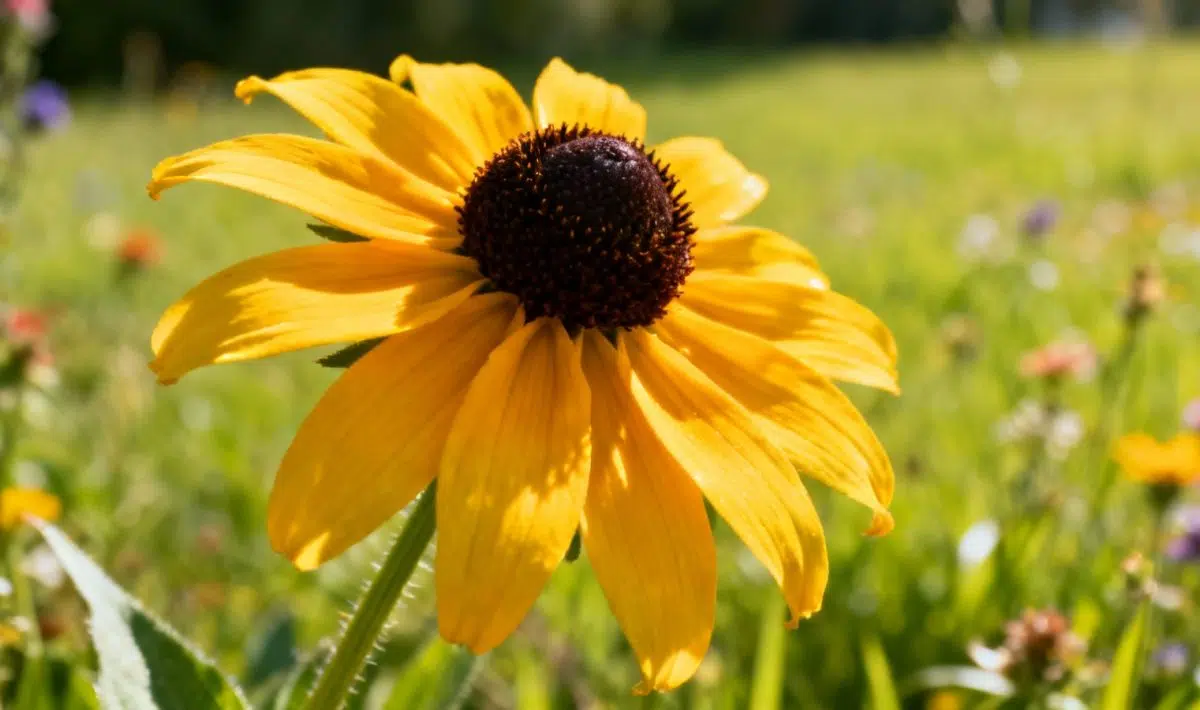
Understanding sunlight needs for Black-eyed Susan plants
Black-eyed Susan plants are truly remarkable flowers that bring vibrant yellow blooms to any garden. These hardy perennials thrive with proper sun exposure, making them perfect for gardeners seeking low-maintenance yet stunning displays. The key to successful cultivation lies in understanding their specific light requirements and providing the ideal growing conditions.
When you plant Black-eyed Susan seeds, you’re investing in flowers that can transform your garden space with their cheerful appearance. Their robust nature makes them excellent choices for both beginner and experienced gardeners who want reliable, long-lasting blooms throughout the growing season.
Why Black-eyed Susans prefer full sun conditions
These vibrant flowers naturally evolved in open prairies and meadows across North America, where they received abundant direct sunlight throughout the day. This evolutionary background explains their strong preference for bright, sunny locations in your garden. The intense light exposure triggers their natural flowering mechanisms and promotes healthy stem development.
Photosynthesis plays a crucial role in their growth patterns. When Black-eyed Susan plants receive adequate sunlight, they produce more energy for developing strong root systems and creating those signature yellow petals with dark centers. Much like understanding optimal sunlight requirements for cucumbers, knowing your plant’s specific needs ensures better results.
How much sunlight does Black-eyed susan need daily
Black-eyed Susan flowers require a minimum of 6 to 8 hours of direct sunlight each day for optimal performance. This full sun exposure ensures vigorous growth, abundant flowering, and strong plant structure. Without sufficient light, these plants tend to become leggy and produce fewer blooms.
During peak growing season, your plants will benefit from morning through afternoon sun exposure. This consistent light pattern helps them develop robust stems that can support their cheerful yellow flowers without requiring additional staking or support structures.
Comparing sun versus shade growing conditions
While Black-eyed Susans can tolerate partial shade conditions, their performance significantly decreases with reduced light exposure. Plants grown in partial shade typically produce 30-50% fewer flowers and may develop weaker stems that bend or break more easily.
Full sun cultivation results in compact, bushy plants with numerous flower heads, while shade-grown specimens often stretch toward available light sources. This stretching creates a less attractive plant form and reduces overall garden impact. Just as sunlight needs for sycamore trees vary based on growing conditions, your Black-eyed Susans will respond differently to various light levels.
Planting seeds for maximum sun exposure
When planting Black-eyed Susan seeds, choose locations that receive unobstructed morning and afternoon sunlight. Avoid areas near large trees or buildings that cast shadows during crucial daylight hours. Well-draining soil combined with full sun creates the perfect environment for germination and establishment.
Seeds planted in optimal sunny locations typically germinate within 7-14 days when soil temperatures reach 65-70°F. This fast germination rate makes them excellent choices for gardeners who want quick results from their planting efforts.
Seasonal sunlight considerations
Spring planting takes advantage of increasing daylight hours and warming soil temperatures. As summer progresses, ensure your plants continue receiving adequate light exposure as surrounding vegetation grows and potentially creates new shade patterns.
Understanding seasonal light changes helps you plan garden layouts more effectively. Consider how tree canopies expand during summer months and position your Black-eyed Susan plants where they’ll maintain consistent sun access throughout the growing season. This planning approach mirrors considerations for ideal sunlight for growing potatoes and other sun-loving garden plants.
Creating the perfect growing environment
Beyond sunlight requirements, soil preparation significantly impacts plant performance. Black-eyed Susans prefer well-draining soil that doesn’t retain excess moisture around their root systems. Heavy, waterlogged soil can lead to root rot, even with perfect light conditions.
Adding organic matter improves soil structure while maintaining proper drainage. This enhancement creates an environment where your plants can fully utilize available sunlight for maximum growth and flowering potential.
Maximizing flower production
Adequate sunlight directly correlates with flower production in Black-eyed Susan plants. Each flower head contains numerous individual blooms that attract beneficial pollinators to your garden space. These vibrant displays continue from mid-summer through fall when growing conditions remain favorable.
Regular maintenance, including deadheading spent flowers, encourages continued blooming throughout the season. This practice, combined with proper sun exposure, ensures your garden maintains its colorful display for extended periods. The relationship between light and flowering is similar to how sunlight preferences of common figs affect fruit production in those plants.
Troubleshooting common sunlight-related issues
If your Black-eyed Susan plants appear stretched or produce fewer flowers than expected, insufficient sunlight is often the primary cause. Moving containers to sunnier locations or transplanting garden specimens can resolve these issues.
Yellowing lower leaves may indicate stress from inadequate light penetration through dense plant growth. Proper spacing between plants ensures each specimen receives adequate airflow and light exposure for healthy development.
Achieving vibrant garden displays
Success with Black-eyed Susan flowers comes from understanding their fundamental need for abundant sunlight. These resilient plants reward proper placement with months of cheerful blooms that enhance any garden design. Their ability to thrive in various soil conditions, combined with their sun-loving nature, makes them versatile additions to landscape plans.
Whether you’re starting from seeds or transplanting established plants, ensuring adequate light exposure remains the most critical factor for achieving the vibrant, healthy displays these flowers are known for. Like sunlight requirements for corn plants, meeting their basic light needs unlocks their full potential in your garden space.
Allan is a lifelong gardening enthusiast who still gets excited when the first seedlings pop up in spring. With a deep love for nature and a hands-in-the-soil approach, he shares practical tips, plant discoveries, and clever tricks picked up over years of digging, planting, and observing. Whether you’re a new gardener or have a shed full of tools, Allan writes like a neighbor who’s always happy to swap cuttings and stories over the fence.
You can find more about Allan’s work on Malt or connect with him on LinkedIn.