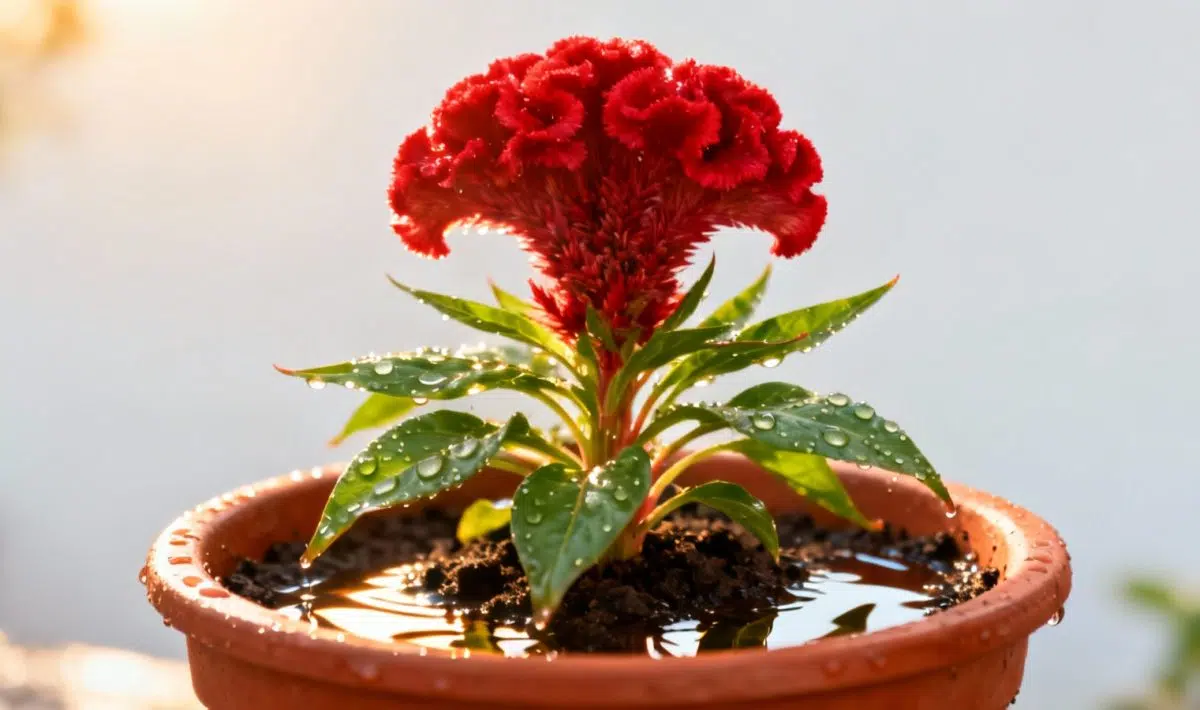
The vibrant Celosia cristata, commonly known as cockscomb, brings spectacular colors to any garden with its unique flame-like flowers. However, getting the watering schedule right is crucial for these tropical beauties. Like many flowering plants, celosia thrives when you provide consistent moisture without overdoing it. The key lies in understanding that this plant originates from warm, humid climates where rainfall patterns create natural wet and dry cycles.
These stunning flowers are surprisingly adaptable, but they do have specific water requirements that change throughout their growing season. Too much water can lead to root rot, while too little will cause the distinctive cockscomb blooms to fade and wilt. Finding that sweet spot ensures your celosia will reward you with vibrant displays from summer through fall.
How often should you water your Cock’s comb during different seasons
During spring, when your celosia is just establishing its root system, watering once per week is typically sufficient. The cooler temperatures and higher humidity levels mean the soil retains moisture longer. Check the soil with your finger – if the top inch feels dry, it’s time to water. This measured approach helps prevent the common mistake of overwatering young plants.
Summer brings increased heat and longer days, which means your cockscomb will need more frequent watering. Increase to twice per week during the hottest months, especially if you’re experiencing drought conditions. The plant’s metabolism speeds up in warm weather, and those gorgeous flowers require consistent moisture to maintain their brilliant colors and sturdy structure.
As autumn approaches and temperatures begin to cool, you can gradually reduce watering frequency back to once per week. This natural reduction mimics the plant’s preparation for dormancy and helps prevent fungal issues that can occur in cooler, wetter conditions.
Key factors that influence watering frequency
Your local climate plays a major role in determining how often to water celosia. In humid regions, you’ll need to water less frequently than in arid climates. Pay attention to rainfall patterns – a good soaking from Mother Nature means you can skip your scheduled watering day. Wind exposure also matters, as breezy locations dry out faster than sheltered spots.
Soil type significantly impacts water retention and drainage. Sandy soils drain quickly and require more frequent watering, while clay soils hold moisture longer but can become waterlogged. Well-draining soil enriched with organic matter provides the ideal balance. Container plants, which are popular for celosia, dry out much faster than those planted directly in garden beds.
The size and maturity of your plant also influences water needs. Young seedlings require light, frequent watering to establish roots, while mature plants can handle deeper, less frequent watering sessions. Similarly, larger plants with extensive foliage will consume more water than smaller specimens.
Recognizing when your celosia needs water
Learning to read your plant’s signals is invaluable for maintaining healthy cockscomb flowers. Wilting leaves are an obvious sign of water stress, but you should act before reaching this point. Slightly drooping flowers or leaves that feel less firm to the touch indicate it’s time to water. The soil surface test remains reliable – stick your finger about an inch deep into the soil around the plant base.
Color changes can also signal watering issues. While celosia flowers naturally come in many vibrant hues, fading or dull colors might indicate water stress. Conversely, yellowing leaves often suggest overwatering, especially if the soil feels soggy. Just as you might consider how to water your arborvitae for healthy growth, observing these visual cues helps you adjust your celosia care routine.
Best practices for watering cockscomb effectively
Water your celosia early in the morning when possible, ideally between 6 and 10 AM. This timing allows the plant to absorb moisture before the heat of the day and ensures foliage dries quickly, reducing the risk of fungal diseases. Evening watering can leave plants damp overnight, creating ideal conditions for problems like powdery mildew.
Always water at the base of the plant rather than overhead. Celosia’s dense flower heads can trap moisture, leading to rot and disease issues. Use a watering can with a narrow spout or a soaker hose to direct water precisely where it’s needed. This method also conserves water and prevents soil erosion around the plant base.
When watering, give your celosia a thorough drink rather than frequent light sprinkles. Deep watering encourages robust root development and helps plants become more drought-tolerant over time. Water slowly until you see moisture beginning to drain from the bottom of containers or penetrating several inches into garden soil.
Seasonal adjustments and special considerations
During periods of intense heat or drought, you might need to water daily, especially for container-grown celosia. Monitor your plants closely during heat waves and don’t hesitate to increase frequency if needed. Mulching around plants helps retain soil moisture and reduces watering frequency by creating a protective barrier against evaporation.
If you’re growing other herbs alongside your celosia, consider their different water needs. For instance, understanding how to keep your coriander leaves fresh requires different timing than cockscomb care. Group plants with similar water requirements together for easier maintenance.
Container gardening requires extra attention to drainage. Ensure pots have adequate drainage holes and use quality potting mix that retains moisture while preventing waterlogging. Containers may need daily watering during hot weather, so check them regularly and adjust your schedule accordingly.
Troubleshooting common watering problems
Overwatering symptoms include yellowing leaves, mushy stems, and a sour smell from the soil. If you notice these signs, reduce watering frequency immediately and improve drainage if possible. Remove any affected plant parts and allow the soil to dry out between waterings.
Underwatering typically shows up as wilting, brown leaf edges, and stunted growth. The flowers may also appear smaller and less vibrant than usual. Increase watering frequency gradually rather than giving drought-stressed plants a sudden flood of water, which can shock their system.
Similar to learning how to ensure healthy growth of chives, maintaining consistent moisture levels is key to preventing stress-related issues in celosia. Regular monitoring and adjustment based on environmental conditions will keep your cockscomb thriving.
Maximizing bloom quality through proper hydration
Well-watered celosia produces more abundant and longer-lasting blooms. The distinctive cockscomb flowers rely on adequate moisture to maintain their unique texture and vibrant colors. Consistent watering during the flowering period, typically from mid-summer through fall, ensures continuous bloom production.
Consider the relationship between watering and bloom quality when planning your garden. Just as you might research how to promote vibrant blooms in treasure flowers, understanding celosia’s specific needs helps maximize their ornamental value. Proper hydration supports not only flower production but also extends the blooming period.
For cut flower arrangements, harvest celosia stems early in the morning when plants are fully hydrated. This timing ensures longer vase life and maintains the flowers’ distinctive appearance. Well-watered plants also produce stronger stems that are less likely to break during harvesting or in windy conditions.
Creating a sustainable watering routine
Developing a consistent watering schedule takes practice and observation. Start with the basic guidelines of once weekly in spring and twice weekly in summer, then adjust based on your specific conditions. Keep a garden journal to track watering dates and plant responses, which helps you refine your approach over time.
Consider installing a drip irrigation system or soaker hoses for larger celosia plantings. These methods provide consistent, efficient watering while reducing labor and water waste. Timer systems can automate the process, ensuring your plants receive regular moisture even when you’re away.
Remember that successful celosia cultivation involves more than just watering frequency. Combine proper hydration with good soil preparation, appropriate fertilization, and pest management for the best results. Your cockscomb flowers will reward careful attention with months of spectacular color and unique texture that makes them standout additions to any garden or arrangement.
Allan is a lifelong gardening enthusiast who still gets excited when the first seedlings pop up in spring. With a deep love for nature and a hands-in-the-soil approach, he shares practical tips, plant discoveries, and clever tricks picked up over years of digging, planting, and observing. Whether you’re a new gardener or have a shed full of tools, Allan writes like a neighbor who’s always happy to swap cuttings and stories over the fence.
You can find more about Allan’s work on Malt or connect with him on LinkedIn.